Skip to content
Shallaki

Shallaki

Active ingredient: Boswellia serrata

Package

AED 401.98

AED 549.24 AED 602.97 Save 9%

AED 680.58 AED 803.96 Save 15%

AED 823.86 AED 1,004.95 Save 18%

AED 963.16 AED 1,205.94 Save 20%

AED 1,106.44 AED 1,406.93 Save 21%

AED 1,241.76 AED 1,607.92 Save 23%

AED 1,385.04 AED 1,808.91 Save 23%

AED 1,528.32 AED 2,009.90 Save 24%

Free delivery on orders from AED 796.00, free express delivery from AED 1,194.00

Delivery: from 4 days

Shallaki is intended for adults seeking support for joint discomfort, stiffness, or reduced mobility. Shallaki tablets contain Boswellia serrata extract, which may help moderate inflammatory symptoms and support joint function.

Product information

Shallaki is a botanical preparation derived from the gum resin of Boswellia serrata, a tree used in Ayurvedic medicine and also known as Salai Guggul. It belongs to the botanical-extract category and is supplied as tablets for bone and joint wellness.

How it affects the body

Boswellic acids may influence inflammatory processes involved in joint discomfort. Laboratory research has examined their effects on 5-lipoxygenase and other pathways that contribute to the production of inflammatory mediators; laboratory activity does not guarantee the same degree of benefit in every person.

Anti-inflammatory and analgesic activity

Anti-inflammatory activity refers to reducing processes that contribute to swelling, heat, and irritation. Analgesic activity means pain-relieving activity. Boswellia extracts have shown both types of activity in experimental research, while human studies provide more limited and variable evidence.

The proposed action differs from that of a conventional analgesic that directly changes pain perception. Shallaki is a botanical extract with several plant constituents, not a single, universally standardised anti-inflammatory compound. This makes preparation quality and extract concentration relevant to the expected response.

Cartilage-related mechanisms

Glycosaminoglycans are molecules that help cartilage retain structure and water. Experimental studies have investigated whether Boswellia constituents may inhibit glycosaminoglycan degradation, a process that can affect joint cartilage.

This finding supports a possible cartilage-related mechanism, not proof that Shallaki rebuilds cartilage or reverses osteoarthritis. Clinical benefit should be judged by pain, stiffness, walking ability, and daily function rather than by an assumption of structural repair. The European Medicines Agency evaluates herbal substances through evidence of quality, safety, and medicinal use; a proposed mechanism alone does not establish disease modification [3].

Ingredients

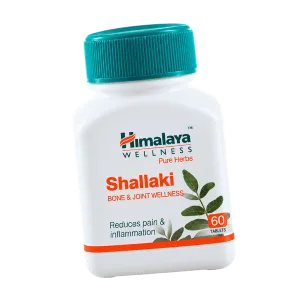
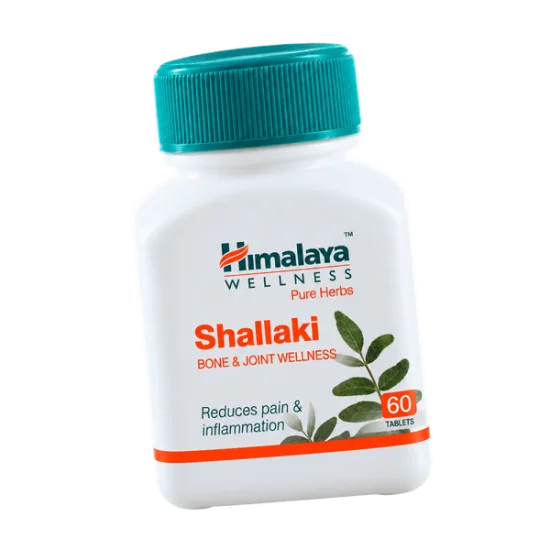
Shallaki is a botanical preparation derived from the gum resin of Boswellia serrata, a tree used in Ayurvedic medicine and also known as Salai Guggul. The product is supplied as tablets in a bottle containing 60 tablets and is presented for bone and joint wellness, including support for pain and inflammation.

Boswellia serrata and Salai Guggul

The resin is collected from the Boswellia serrata tree and processed into a botanical ingredient. Raw gum-resin powder contains a broad mixture of plant compounds. A dry extract is more concentrated because part of the non-active plant material is removed during processing.

Boswellia resin contains boswellic acids. These compounds are studied for anti-inflammatory activity, although their amount can differ between preparations. The strength of a specific product depends on its extraction method, standardisation, and labelled composition. The World Health Organization describes Boswellia resin as a traditional medicinal plant ingredient while also distinguishing traditional use from modern clinical evidence [1].

Boswellic acids and dry extract composition

Boswellic acids are naturally occurring resin constituents. They are investigated for effects on inflammatory pathways, pain signalling, and enzymes involved in cartilage metabolism. Their presence does not mean that every Shallaki preparation has the same concentration or produces the same clinical result.

Keep the bottle in a cool, dry place and close it after each use. Moisture can affect tablets and make them harder to swallow.

Dosage and administration

Use the tablets according to the individual dose selected for the person’s age, other medicines, health conditions, and intended use. A universal daily dose cannot be applied to every Boswellia preparation because extract concentration and formulation differ.

Interpreting the product strength

The labelled product strength does not automatically establish the appropriate dose for every adult. Its meaning depends on the formulation.

The dose is decided individually, taking age, other medicines, and health conditions into account. Children, older adults, people with liver or kidney disease, and people using long-term medicines need a more cautious assessment before starting a botanical anti-inflammatory product.

Administration of tablets

  • Swallow the tablet with water.
  • Use the selected dose at the same time each day when regular use has been advised.
  • Do not crush, split, or alter the tablet unless the product instructions specifically permit it.
  • Do not double the next dose after a missed tablet.
  • Avoid taking additional Boswellia products at the same time unless their combined amount has been reviewed.
  • Stop self-escalation if joint symptoms remain unchanged or become worse.
A common practical error is treating a slow response as a reason to take extra tablets. Record pain, stiffness, walking ability, and stomach symptoms instead of increasing the dose without medical direction.

When not to use it

  • Known allergy to Boswellia serrata or another ingredient.
  • Pregnancy or breastfeeding.
  • Planned operation or a bleeding disorder.
  • Concomitant use of anticoagulants, antiplatelet medicines, or regular anti-inflammatory medicines.
  • Diabetes treatment with frequent low blood glucose.
  • Immune-modifying treatment.
  • Liver or kidney disease.
  • Severe, unexplained, or rapidly worsening joint symptoms.

When this is not for you

This is not for you without specific medical advice if you are allergic to Boswellia or another ingredient, are pregnant or breastfeeding, have an operation planned, or have a bleeding disorder. Speak to a clinician before use if you take blood-thinning, antiplatelet, regular anti-inflammatory, diabetes, or immune-modifying medicines, or if you have liver or kidney disease. Do not self-treat severe, unexplained, or rapidly worsening joint symptoms.

Possible side effects

Possible effects include stomach discomfort, nausea, heartburn, loose stools, or abdominal irritation. An allergic reaction may cause itching, hives, facial swelling, wheezing, or breathing difficulty.

Stop the product and obtain urgent medical help for breathing difficulty, swelling of the lips or face, a severe rash, black stools, vomiting blood, or severe abdominal pain. Persistent digestive symptoms also warrant review.

One detail is easy to miss: stomach symptoms can be mistaken for an unrelated food problem when they begin soon after a new supplement. Note when symptoms start and whether they recur after each tablet.

Therapeutic indications

Shallaki is used for joint pain, knee pain, stiffness, and symptoms associated with arthritis. Its intended role is supportive: it may help some people manage discomfort and maintain movement, but it does not establish the cause of joint symptoms or repair damaged cartilage.

Joint pain, knee pain and stiffness

Boswellia preparations have been studied in adults with osteoarthritis and other sources of joint discomfort. Small clinical studies and reviews suggest possible improvement in pain, stiffness, or physical function, though results vary because researchers use different extracts, doses, and outcome measures [2].

Aching after activity can have many causes. Osteoarthritis, tendon problems, bursitis, gout, injury, and inflammatory arthritis require different approaches. Persistent swelling, a locked knee, joint instability, fever, or sudden severe pain requires medical assessment rather than prolonged self-treatment.

Arthritis symptoms and joint function

Joint function means how easily a person can walk, climb stairs, grip objects, or complete daily activities. Shallaki may support comfort during movement, yet it should not replace physiotherapy, prescribed treatment, strength work, or weight management when these form part of an arthritis care plan.

The product may be most useful as one element of a broader routine. A person who has progressively worsening mobility needs assessment even if the pain temporarily improves.

Comparison

Shallaki belongs to the botanical-extract category. Its role differs from symptom medicines, structured rehabilitation, and disease-specific treatment.

Approach Main role Main limitation
Shallaki botanical extract May support joint comfort and movement Extract strength and clinical evidence vary
Conventional pain-relief medicine Targets pain more directly May cause medicine-specific stomach, kidney, liver, or cardiovascular risks
Physiotherapy and strengthening Improves movement, strength, and joint function Requires regular participation and individual adaptation

A physician may favour exercise therapy when reduced muscle strength contributes to pain. A prescribed medicine may be needed for an acute flare or diagnosed inflammatory arthritis. Shallaki may be considered as supportive care when its precautions have been reviewed.

Common mistakes

Several habits can reduce the value of Shallaki or delay appropriate care:

  • Taking more tablets because improvement is slower than expected.
  • Combining Shallaki with another Boswellia product.
  • Assuming every 125 mg product contains the same type of extract.
  • Continuing despite facial swelling, breathing difficulty, black stools, or severe abdominal pain.
  • Ignoring a hot, swollen, unstable, or locked joint.
  • Stopping prescribed arthritis treatment without a clinical plan.
  • Measuring progress only by pain and overlooking mobility or stiffness.
  • Starting the product immediately before surgery without discussing bleeding-related precautions.
  • Giving adult tablets to a child.
  • Changing several joint-care measures at once, making it impossible to identify what helped or caused symptoms.

One practical point deserves emphasis: a supplement may be swallowed daily while the underlying problem continues to progress silently. Persistent swelling or declining movement is a reason for assessment, not a signal to continue indefinitely.

What doctors say

In clinical practice, the most useful expectation is modest symptom support rather than guaranteed cartilage protection. A clinician would usually assess the diagnosis, current medicines, duration of symptoms, swelling pattern, and functional limitation before judging whether a supplement fits the care plan.

The potential advantages are its botanical origin, tablet format, and possible support for pain and mobility. The limitations include variable extract standardisation, small studies, differing Boswellia preparations, and uncertainty about long-term disease modification. A person who receives no improvement should not respond by increasing the dose independently.

Clinical evidence is also difficult to compare when one study measures pain and another measures walking distance or stiffness. The WHO, EMA, and other health authorities distinguish evidence of traditional use from evidence that establishes a treatment outcome for a defined disease.

Common questions

Can Shallaki be taken with pain medicines or joint supplements?

Combining Shallaki with pain medicines or other joint supplements should be reviewed individually. The main concerns involve overlapping anti-inflammatory effects, stomach irritation, bleeding risk, glucose control, and duplicated Boswellia ingredients. Clinical practice in 2026 uses the complete medicine list, including non-prescription products, when assessing this combination; MOHAP and WHO safety principles support careful medication review. Avoid adding several new products at the same time because it becomes difficult to identify the source of an adverse effect.

What should I do if Shallaki does not improve my symptoms?

Do not increase the dose without advice when the expected benefit does not appear. Reassess the diagnosis, the duration of symptoms, adherence, movement limits, swelling, and other treatment measures. Evidence from the WHO and 2025 published Boswellia research shows variable outcomes between preparations, so lack of benefit may reflect the condition or the extract rather than a need for more tablets. Clinical review is needed if function worsens, pain becomes severe, or swelling persists.

Can Shallaki cause stomach problems?

Yes, Shallaki can cause digestive symptoms such as nausea, abdominal discomfort, heartburn, or loose stools in some users. A severe rash, facial swelling, breathing difficulty, black stools, or severe abdominal pain requires urgent medical attention. WHO herbal-medicine safety principles from 2025 and EMA pharmacovigilance practice treat suspected adverse reactions as reasons to stop and assess the product rather than continue through worsening symptoms. Mild symptoms that persist also deserve review.

Which diet, exercise, or habits support the result?

Regular, suitable movement and muscle-strengthening work can support joint function alongside Shallaki. Weight management may reduce mechanical loading on weight-bearing joints when excess weight contributes to symptoms, while prolonged inactivity can increase stiffness. Arthritis care guidance from the WHO supports physical activity adapted to ability, and clinical practice in 2026 focuses on function rather than supplement use alone. Avoid sudden increases in exercise intensity when a joint is swollen or unstable.

What should I discuss with a doctor before starting Shallaki?

Discuss pregnancy, breastfeeding, upcoming surgery, allergies, liver or kidney disease, bleeding problems, diabetes, immune conditions, and every medicine or supplement being used. Include anticoagulants, antiplatelet medicines, regular anti-inflammatory medicines, and glucose-lowering treatment. EMA and MOHAP safety approaches documented in 2025 place special emphasis on individual risk factors when evidence for a botanical interaction is limited. Also explain whether the joint is hot, markedly swollen, locked, unstable, or rapidly worsening.

Can Shallaki be used during pregnancy or breastfeeding?

Use during pregnancy or breastfeeding should be avoided unless a qualified clinician has specifically assessed the situation. Safety evidence for Boswellia preparations in these groups is limited, and botanical products can differ in concentration and composition. WHO guidance for medicinal plants supports caution when reproductive safety data are insufficient, while EMA assessment principles require attention to vulnerable groups. Do not use Shallaki as a substitute for evaluation of new pain during pregnancy.

Which condition rules out Shallaki?

A known allergy to Boswellia serrata or a previous serious reaction to the product rules out its use. Severe abdominal pain, black stools, facial swelling, or breathing difficulty also requires stopping and urgent medical assessment rather than another dose. EMA and MOHAP safety principles documented in 2025 support avoiding continued exposure after a serious suspected reaction. A hot swollen joint with fever is not a reason to self-treat with Shallaki; it needs prompt clinical evaluation.

Do you offer anonymous delivery?

Your order will be securely packed and shipped within 24 hours. This is exactly what your package will look like (images of an actual item sent). It has the size and look of a regular private letter (24x11x0.7 cm) and its contents cannot be seen.

Comparison

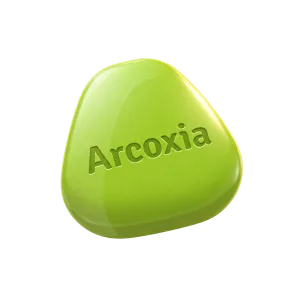
Arcoxia

Active ingredient: Etoricoxib
120mg 60mg 90mg
From AED 409.94
pills
4 (4)

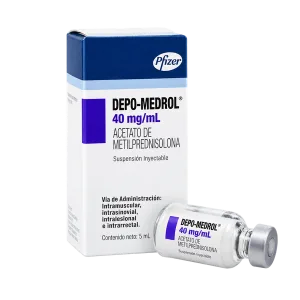
Depo-Medrol

Active ingredient: Methylprednisolone acetate
40mg1ml
From AED 27.86
bottles
4 (3)

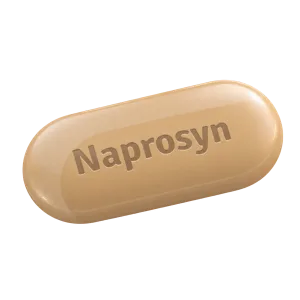
Naprosyn

Active ingredient: Naproxen
250mg 500mg
From AED 370.14
pills
4.1 (4)

Shallaki Current

Active ingredient: Boswellia serrata
60caps
From AED 401.98
bottles
3.7 (3)

Comparison table: Anti-inflammatory

Sources

  1. World Health Organization (2009). WHO monographs on selected medicinal plants, Volume 4: Boswellia serrata gum-resin.
  2. PubMed (2020). Indexed clinical studies of Boswellia serrata for osteoarthritis and joint symptoms.
  3. European Medicines Agency (2017). Guideline on quality of herbal medicinal products and traditional herbal medicinal products.

How Buyers Rate Shallaki

3.7 Based on 3 reviews
Faisal, 68 Hatta Several weeks
15 Oct 2026
Rating: 4 out of 5
I used Shallaki tablets as part of my routine for knee stiffness. After several weeks, walking around the house and getting out of the car felt easier, and I was pleased with the change.
Yousef A., 48 Kalba
27 Oct 2026
Rating: 4 out of 5
I took Shallaki consistently for my joint discomfort and noticed less stiffness during the first part of the day. The improvement was practical rather than dramatic, but it helped me stay more active.
Anil, 65 Al Dhaid
10 Nov 2026
Rating: 3 out of 5
Shallaki gave me some relief, but the effect was slower and smaller than I expected. I developed stomach discomfort and stopped using it after discussing the symptoms with my doctor.
Get our free app Shop faster and track your orders 4.0 · 268 reviews Install