Skip to content
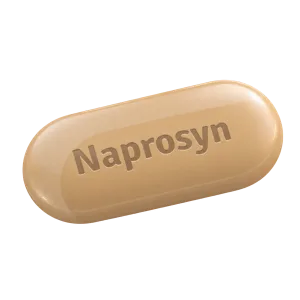
Naprosyn

Naprosyn

Active ingredient: Naproxen

Dosage
Package
Package

AED 370.14

AED 497.50 AED 555.21 Save 10%

AED 628.84 AED 740.28 Save 15%

AED 887.54 AED 1,110.42 Save 20%

AED 1,277.58 AED 1,665.63 Save 23%

AED 1,671.60 AED 2,220.84 Save 25%

AED 421.88

AED 577.10 AED 632.82 Save 9%

AED 736.30 AED 843.76 Save 13%

AED 1,026.84 AED 1,265.64 Save 19%

AED 1,504.44 AED 1,898.46 Save 21%

AED 1,946.22 AED 2,531.28 Save 23%

Free delivery on orders from AED 796.00, free express delivery from AED 1,194.00

Delivery: from 4 days

Naprosyn reduces pain and inflammation by inhibiting cyclooxygenase enzymes that help produce inflammatory prostaglandins. It contains naproxen and is used in adults for conditions such as arthritis, muscle pain and joint pain when systemic anti-inflammatory treatment is appropriate.

Product information

Naprosyn contains naproxen, a nonsteroidal anti-inflammatory drug (NSAID). NSAIDs reduce pain, inflammation and fever by lowering the production of chemical messengers involved in these symptoms. Naprosyn tablets provide systemic treatment, meaning naproxen enters the bloodstream and can act throughout the body.

How it affects the body

Naproxen inhibits cyclooxygenase-1 (COX-1) and cyclooxygenase-2 (COX-2). These enzymes help convert arachidonic acid into prostaglandins, which participate in pain, fever and inflammation.

COX-1 and COX-2 Inhibition

COX-1 supports normal functions, including part of the stomach lining’s protective processes and kidney blood flow. COX-2 becomes more active during many inflammatory responses. Naproxen affects both pathways, which explains its anti-inflammatory action and some of its unwanted effects.

Lower prostaglandin activity can ease pain and swelling. The same reduction can weaken protective mechanisms in the stomach and kidneys. This pharmacological trade-off is why dose selection, treatment duration and interaction checks matter.

Prostaglandin Reduction and Symptom Relief

Arachidonic acid is a fatty acid used as a starting material for several inflammatory mediators. COX enzymes help convert it into prostaglandins. Naproxen reduces this conversion, so fewer prostaglandins signal pain, fever and local inflammation.

Naproxen does not eliminate the disease process in rheumatoid arthritis or osteoarthritis. It reduces symptoms while the underlying condition is managed separately. The FDA prescribing information describes this mechanism and its related gastrointestinal, renal and cardiovascular warnings [1].

Ingredients

Naprosyn contains naproxen, a nonsteroidal anti-inflammatory drug (NSAID). NSAIDs reduce pain, inflammation and fever by lowering the production of chemical messengers involved in these symptoms. Naprosyn tablets provide systemic treatment, meaning naproxen enters the bloodstream and can act throughout the body.

The benefit is symptom control. Naprosyn does not remove the underlying cause of arthritis, an injury or another inflammatory condition. Persistent swelling, severe pain, deformity or reduced movement needs clinical assessment rather than repeated self-treatment.

Active Ingredient and Drug Class

Naproxen belongs to the NSAID group. Oral NSAIDs can affect several organs because their action is systemic. The stomach, kidneys and cardiovascular system require special attention during treatment, especially in older adults and people taking other medicines.

Naproxen is used for inflammatory and painful conditions such as:

  • Rheumatoid arthritis
  • Osteoarthritis
  • Muscle pain
  • Joint pain
  • Tendon or ligament inflammation
  • Pain following selected soft-tissue injuries
  • Some acute musculoskeletal conditions

The correct amount per intake is selected individually. It depends on the condition, age, kidney function, gastrointestinal history and other medicines.

Take Naprosyn with a full glass of water. Taking it with food may reduce stomach upset, but food does not remove the risk of ulceration or gastrointestinal bleeding.

Expected Therapeutic Effects

Naproxen can reduce pain, stiffness, swelling and inflammatory discomfort. Improvement varies with the condition and its severity. Rheumatoid arthritis still requires disease-specific treatment and monitoring; Naprosyn mainly controls symptoms.

A reduction in pain can make movement easier, yet it can also hide an injury that needs rest or rehabilitation. Pain that persists despite treatment, returns repeatedly or becomes more severe deserves medical review.

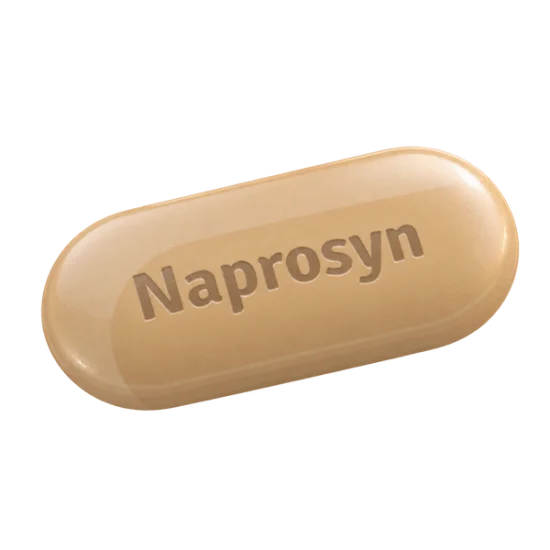
Dosage and administration

  • Take Naprosyn tablets exactly according to the prescribed individual regimen.
  • Swallow the tablet with water unless a prescriber has given different instructions.
  • Use the lowest amount that controls symptoms for the shortest suitable period.
  • Do not increase the amount or frequency because pain has not improved quickly.
  • Do not combine Naprosyn with another NSAID unless a prescriber specifically directs this.
  • Avoid taking extra tablets to compensate for a missed dose.
  • If a dose is missed, take it when remembered unless the next scheduled dose is close; skip the missed dose rather than doubling.
  • Suspected excessive use requires urgent medical advice, especially with drowsiness, severe stomach pain, vomiting, confusion or reduced urination.
Keep a written list of every painkiller, cold remedy and anti-inflammatory product being used. Several products can contain an NSAID even when their brand names look unrelated.

Crushing or splitting tablets is unsuitable when the specific formulation is designed for modified release. The prescribed formulation determines whether alteration is acceptable. Naproxen tablets should not be treated as interchangeable with topical preparations because route, exposure and instructions differ.

Dehydration increases kidney stress during NSAID treatment. Extra caution is needed during vomiting, diarrhoea, fever, heavy sweating or very low fluid intake.

When not to use it

  • Previous serious allergic reaction to naproxen, aspirin or another NSAID
  • Previous NSAID-related asthma, wheezing, facial swelling or hives
  • Active stomach ulcer or gastrointestinal bleeding
  • Previous serious ulcer or bleeding linked to an NSAID
  • Significant kidney disease
  • Severe heart failure or selected cardiovascular conditions
  • Uncontrolled high blood pressure
  • Use of medicines that substantially increase bleeding risk
  • Late pregnancy, unless specifically directed by a clinician

When this is not for you

Naprosyn may not be suitable if you have had a serious reaction to aspirin or another NSAID, or if you have a stomach ulcer, bleeding, kidney disease, severe heart failure or uncontrolled high blood pressure. It may also be unsuitable if you take medicines that increase bleeding risk. Pregnancy, planned pregnancy and breastfeeding should be discussed with a clinician before treatment.

Possible side effects

Naproxen may cause indigestion, stomach discomfort, nausea, heartburn, headache, dizziness or drowsiness. Some people develop constipation, diarrhoea or mild skin reactions. Older adults and people with a previous ulcer have a higher risk of gastrointestinal complications. Risk rises with longer treatment and higher doses. A clinician should review ongoing use when symptoms require repeated courses.

The drug can also cause ulceration or bleeding, kidney injury, fluid retention, increased blood pressure and cardiovascular events. These complications may occur without severe early warning symptoms.

Common Oral Effects

Mild stomach upset may improve when the tablet is taken with food and water. Persistent indigestion, new upper-abdominal pain or recurrent heartburn should not be ignored. Alcohol can increase gastrointestinal irritation and bleeding risk.

Headache or dizziness can affect driving and balance. Avoid driving or operating machinery until the individual response is clear.

Serious NSAID Complications

Seek urgent medical care for:

  • Black, tar-like stools
  • Vomiting blood or material resembling coffee grounds
  • Severe or persistent abdominal pain
  • Chest pain, sudden weakness or trouble speaking
  • Severe shortness of breath
  • Facial, lip or tongue swelling
  • Wheezing or difficulty breathing
  • A spreading blistering rash
  • Markedly reduced urination
  • Sudden swelling of the legs with rapid weight gain
Black stools are not a routine stomach side effect. They can indicate gastrointestinal bleeding and require urgent assessment, even when the pain itself has improved.

The FDA Medication Guide for nonsteroidal anti-inflammatory drugs describes serious gastrointestinal, cardiovascular and allergic reactions as reasons for immediate medical attention [2].

Therapeutic indications

Naprosyn tablets may be prescribed when pain has an inflammatory component or when an NSAID is appropriate for the condition. Common clinical uses include arthritis-related pain, musculoskeletal pain and selected acute injuries.

Arthritis Pain and Inflammation

Rheumatoid arthritis causes immune-mediated inflammation in joints and surrounding tissues. Naprosyn may reduce pain and stiffness, but it does not replace specialist treatment that limits disease progression.

Osteoarthritis involves changes in joint cartilage and surrounding structures. Naproxen may help during painful flares, especially when stiffness limits normal activity. Treatment should be reviewed if symptoms become frequent or daily use continues.

Musculoskeletal Injuries and Localized Pain

Naproxen may be used for muscle pain, joint pain, sports-related injuries and soft-tissue inflammation. Tendon inflammation and ligament inflammation can also cause pain that responds to anti-inflammatory treatment.

Naproxen does not guarantee faster tissue healing. Rest, gradual rehabilitation and appropriate movement remain relevant. A joint that looks deformed, cannot bear weight or becomes rapidly swollen needs assessment.

Comparison

Approach Main role Main limitation
Naprosyn tablets Systemic reduction of inflammatory pain Can affect the stomach, kidneys, blood pressure and cardiovascular system
Paracetamol Pain and fever relief without NSAID-related prostaglandin inhibition Usually provides less anti-inflammatory action
Topical anti-inflammatory treatment Local treatment for selected superficial musculoskeletal pain Not interchangeable with oral naproxen and may still cause skin or systemic reactions

The preferred option depends on the diagnosis, medical history and other medicines. Naprosyn may be useful when inflammation contributes to pain, while paracetamol may suit pain without a strong inflammatory component. Combining painkillers without a planned regimen can increase harm without improving relief.

Common mistakes

Several practical errors can reduce benefit or increase harm:

  • Adding ibuprofen: Both medicines are NSAIDs, so taking them together can increase gastrointestinal and kidney risk.
  • Doubling after a missed dose: This may produce excessive exposure without improving pain control.
  • Continuing despite bleeding symptoms: Black stools or vomiting blood require urgent care, not another dose.
  • Using alcohol heavily during treatment: Alcohol can worsen gastrointestinal irritation.
  • Ignoring dehydration: Vomiting, diarrhoea and heat exposure can increase kidney stress.
  • Assuming food removes all risk: Food may improve comfort but does not prevent ulceration.
  • Using Naprosyn for every new pain: Recurrent pain may reflect an injury, infection or inflammatory disease requiring diagnosis.
  • Stopping prescribed arthritis treatment without a plan: Symptom relief and disease control are different goals.
Write down the reason Naprosyn was started and the symptoms it should improve. If the original pain changes character, spreads or persists, the treatment plan needs review.

What doctors say

In clinical practice, doctors usually assess three points before prescribing naproxen: the source of pain, the patient’s gastrointestinal and cardiovascular risk, and the complete medicine list. The decision is not based on pain intensity alone.

A useful treatment plan sets a clear purpose and review point. Naprosyn may help an inflammatory flare, but continuing it indefinitely for unexplained pain can delay diagnosis. For rheumatoid arthritis, the medicine can support symptom control while disease-modifying treatment addresses the condition itself.

Physicians also pay attention to kidney function, blood pressure, hydration and signs of bleeding when treatment continues beyond a short period. The American College of Rheumatology guideline supports shared selection of treatment for osteoarthritis while recognising the risks associated with oral NSAIDs [3].

Common questions

Can people under 18 use Naprosyn?

Use in people under 18 depends on the condition, formulation and clinical assessment. The FDA prescribing information from 2020 describes age-specific dosing considerations and does not support treating every child or adolescent with the same regimen. A clinician must select the amount and duration for a young person, especially when dehydration, asthma or kidney problems are present. Naprosyn should not be shared from an adult’s treatment.

Can Naprosyn cause stomach pain or indigestion?

Yes. Naproxen can cause indigestion, nausea, stomach pain and heartburn because COX-1 inhibition may reduce some protective gastrointestinal prostaglandins. FDA safety information from 2020 identifies ulceration and gastrointestinal bleeding as serious risks, including cases without early warning symptoms. Black stools, vomiting blood or severe abdominal pain require urgent medical care rather than simple dose adjustment.

Do diet, exercise or daily habits affect the result?

Hydration, sensible activity and rehabilitation can influence recovery from musculoskeletal pain. NICE guidance from 2022 supports exercise and condition-appropriate physical activity for osteoarthritis, while Naprosyn mainly reduces symptoms. Alcohol can increase gastrointestinal risk, and dehydration can increase kidney stress. Exercise should be reduced when pain, swelling or instability suggests an injury that needs assessment.

What should be done after a missed dose?

Take the missed dose when remembered only if the next scheduled dose is not close. If the next dose is due soon, skip the missed dose and continue with the planned schedule. FDA prescribing information from 2020 supports avoiding a double dose after an omission. Severe symptoms after taking extra tablets require urgent medical advice.

What if the expected relief does not occur?

Do not keep increasing the amount when pain remains uncontrolled. The EMA guidance on medicines for pain, published in 2017, supports reviewing the diagnosis, treatment duration and risk factors when symptom control is inadequate. Persistent swelling, inability to bear weight, deformity, fever, new weakness or severe night pain requires clinical assessment. Naprosyn may be unsuitable when the pain is not driven mainly by inflammation.

Do you offer anonymous delivery?

Your order will be securely packed and shipped within 24 hours. This is exactly what your package will look like (images of an actual item sent). It has the size and look of a regular private letter (24x11x0.7 cm) and its contents cannot be seen.

Comparison

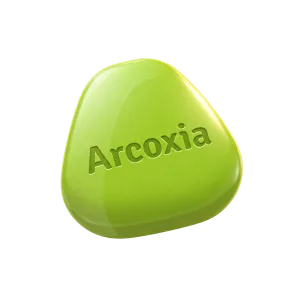
Arcoxia

Active ingredient: Etoricoxib
120mg 60mg 90mg
From AED 409.94
pills
4 (4)

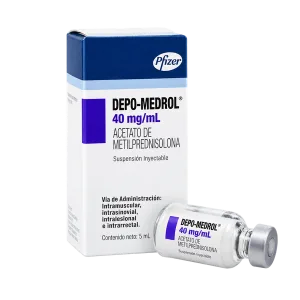
Depo-Medrol

Active ingredient: Methylprednisolone acetate
40mg1ml
From AED 27.86
bottles
4 (3)

Naprosyn Current

Active ingredient: Naproxen
250mg 500mg
From AED 370.14
pills
4.1 (4)

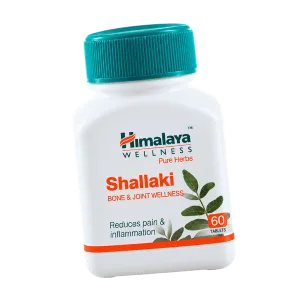
Shallaki

Active ingredient: Boswellia serrata
60caps
From AED 401.98
bottles
3.7 (3)

Comparison table: Anti-inflammatory

Sources

  1. U.S. Food and Drug Administration (2020). NAPROSYN (naproxen) tablets, USP Prescribing Information
  2. U.S. Food and Drug Administration (2020). Medication Guide for Non-Steroidal Anti-Inflammatory Drugs (NSAIDs)
  3. American College of Rheumatology and Arthritis Foundation (2019). 2019 American College of Rheumatology/Arthritis Foundation Guideline for the Management of Osteoarthritis of the Hand, Hip, and Knee

How Buyers Rate Naprosyn

4.1 Based on 4 reviews
Hassan G., 63 Jebel Ali
4 Nov 2026
Rating: 4 out of 5
I used Naprosyn tablets for a painful arthritis flare. Movement became easier after several days, and I was able to manage short walks again. The improvement was clear enough for me to feel satisfied with the treatment.
Hamza, 54 Al Dhaid
10 Nov 2026
Rating: 2.5 out of 5
Naprosyn did not help my lower-back pain enough. I developed stomach discomfort and stopped taking it after discussing the symptoms with a doctor. The medicine was not suitable for that episode.
Mohammed, 37 Dubai The first week
15 Oct 2026
Rating: 5 out of 5
I took Naprosyn for a painful knee injury and noticed less swelling during the first week. Stairs were easier, and the benefit was practical rather than dramatic. I was pleased with the result.
Yousef, 66 Bur Dubai
25 Oct 2026
Rating: 5 out of 5
Naprosyn reduced the stiffness in my hands and helped me move more comfortably in the morning. I took the tablets with water and food. The relief made routine activities less difficult.
Get our free app Shop faster and track your orders 4.0 · 268 reviews Install