Skip to content
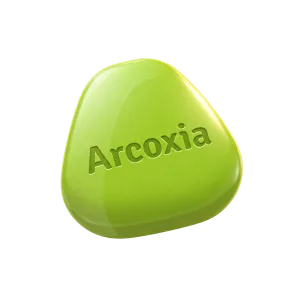
Arcoxia

Arcoxia

Active ingredient: Etoricoxib

Dosage
Package
Package
Package

AED 409.94

AED 612.92 AED 819.88 Save 25%

AED 803.96 AED 1,229.82 Save 35%

AED 1,018.88 AED 1,639.76 Save 38%

AED 1,412.90 AED 2,459.64 Save 43%

AED 2,021.84 AED 3,689.46 Save 45%

AED 2,622.82 AED 4,919.28 Save 47%

AED 421.88

AED 565.16 AED 632.82 Save 11%

AED 700.48 AED 843.76 Save 17%

AED 991.02 AED 1,265.64 Save 22%

AED 1,424.84 AED 1,898.46 Save 25%

AED 1,866.62 AED 2,531.28 Save 26%

AED 469.64

AED 624.86 AED 704.46 Save 11%

AED 784.06 AED 939.28 Save 17%

AED 1,090.52 AED 1,408.92 Save 23%

AED 1,564.14 AED 2,113.38 Save 26%

AED 2,029.80 AED 2,817.84 Save 28%

Free delivery on orders from AED 796.00, free express delivery from AED 1,194.00

Delivery: from 4 days

Joint pain, stiffness, and inflammation from conditions such as osteoarthritis, rheumatoid arthritis, or gout may require targeted anti-inflammatory treatment. It can reduce symptoms without treating the underlying joint disease.

Product information

Arcoxia contains etoricoxib, a selective COX-2 inhibitor used for prescribed pain and inflammation control. Treatment choice should match the diagnosis. Clinical review helps limit avoidable risk.

How it affects the body

Etoricoxib selectively inhibits the COX-2 enzyme. COX-2 contributes to the production of prostaglandins, chemical mediators that promote pain, swelling, and heat in inflamed tissue.

A simple way to understand the distinction is to view COX enzymes as molecular pathways with different roles. COX-2 becomes more active during inflammation, while COX-1 supports normal functions, including protection of the stomach lining and platelet activity.

COX-2 Inhibition and Symptom Relief

By reducing COX-2 activity, etoricoxib lowers the production of inflammatory mediators. This can reduce tenderness, stiffness, and swelling in affected joints.

The medicine controls symptoms; it does not cure osteoarthritis, rheumatoid arthritis, or gout.

COX-1 Selectivity and Stomach Considerations

Etoricoxib has less effect on COX-1 than traditional non-selective NSAIDs. This may give it a different gastrointestinal profile, but the distinction should not be interpreted as stomach protection.

Ingredients

Arcoxia contains etoricoxib, a selective cyclo-oxygenase-2 (COX-2) inhibitor within the non-steroidal anti-inflammatory drug (NSAID) class. NSAIDs reduce pain, swelling, and inflammation by limiting the production of chemical messengers involved in these symptoms.

Etoricoxib is used when a clinician considers targeted anti-inflammatory treatment appropriate. The choice depends on the diagnosis, blood pressure, cardiovascular history, kidney function, liver function, and the shortest suitable treatment period.

Active Ingredient and Drug Class

The active ingredient is etoricoxib. It belongs to the selective COX-2 inhibitor group of NSAIDs and is available as tablets.

Selective COX-2 activity may reduce some stomach irritation compared with medicines that inhibit both COX-1 and COX-2, but it does not remove the risk of ulceration, bleeding, kidney problems, fluid retention, or cardiovascular events. [1]

Treatment Goals for Pain and Inflammation

Arcoxia aims to control symptoms such as:

  • Joint pain during movement or rest
  • Morning stiffness
  • Swelling linked to inflammation
  • Pain during an acute gout flare
  • Short-term musculoskeletal pain

It does not repair damaged cartilage, remove urate crystals, or replace disease-modifying treatment for rheumatoid arthritis. Pain relief can make movement easier, while the underlying condition still needs appropriate management.

If pain improves quickly, do not extend treatment or increase the amount without a clinical review. Symptom relief does not prove that the underlying condition has resolved.

Dosage and administration

The amount and frequency of Arcoxia depend on the purpose of treatment and are agreed with a doctor or pharmacist. Different conditions require different prescribing approaches, and higher-strength tablets are not automatically more suitable.

A typical prescription may involve once-daily administration, but the correct regimen depends on the clinical indication. Acute gout and other short-term indications should not be treated as though they were ongoing arthritis.

Osteoarthritis Dose

Osteoarthritis treatment generally uses a lower anti-inflammatory exposure than some acute indications. The prescriber selects the suitable tablet strength after considering pain severity, cardiovascular risk, kidney function, blood pressure, and other medicines.

Do not increase the amount because pain has not settled immediately. A review may be needed instead.

Rheumatoid Arthritis Dose

Rheumatoid arthritis may require symptom treatment over a longer period. Continued use should be reassessed because the balance between pain relief and cardiovascular, renal, blood-pressure, and gastrointestinal risk can change over time.

Acute Pain Dose Limits

Higher-dose etoricoxib regimens are reserved for specific acute indications and limited treatment periods. They should not be treated as a general-purpose response to any severe pain.

A missed dose should not be replaced by two tablets together. Take the next dose according to the prescribed schedule unless a clinician gives different instructions.

Arcoxia tablets are taken by mouth with water, usually once daily when that schedule has been prescribed. They can generally be taken with or without food, although the prescribed directions take priority.

  • Take the tablet at the same time each day.
  • Swallow it with water.
  • Do not take more than the prescribed daily amount.
  • Do not combine it with another NSAID for pain unless specifically directed.
  • Do not continue beyond the planned treatment period.
  • Arrange a review if pain persists, returns repeatedly, or changes character.

Etoricoxib may be used for a short course or for longer symptom control, depending on the condition. Longer treatment calls for attention to blood pressure, ankle swelling, kidney function, and cardiovascular symptoms.

Vomiting, diarrhoea, fever, heavy sweating, or very low fluid intake can raise kidney stress during NSAID treatment. Persistent fluid loss deserves prompt clinical advice before further doses are taken.

When not to use it

Arcoxia may not be for you if you have uncontrolled hypertension, established cardiovascular disease, severe kidney or liver disease, active gastrointestinal bleeding, or a serious NSAID allergy.

Arcoxia should be avoided in people with a known allergy to etoricoxib or a previous serious reaction to an NSAID.

Medical assessment is needed with:

  • Uncontrolled high blood pressure
  • Heart failure or significant heart disease
  • Previous heart attack or stroke
  • Severe kidney disease
  • Severe liver disease
  • Active stomach ulcer or gastrointestinal bleeding
  • Dehydration or frequent fluid loss
  • Older age with multiple long-term medicines

Etoricoxib is generally avoided during pregnancy unless a specialist determines that treatment is necessary.

When this is not for you

Arcoxia is not suitable for everyone. It may not be for you if you have uncontrolled hypertension, established cardiovascular disease, severe kidney or liver disease, active gastrointestinal bleeding, or a serious NSAID allergy.

A history of aspirin- or NSAID-triggered asthma, nasal swelling, or severe skin reaction must be disclosed before treatment.

Low-dose aspirin prescribed for cardiovascular prevention is a separate clinical decision from aspirin taken for pain. It must be disclosed because combining antiplatelet treatment with an NSAID can increase bleeding risk.

Breastfeeding decisions require individual medical advice because the available safety information for etoricoxib is limited. If pregnancy occurs during treatment, contact the prescribing clinician promptly.

Possible side effects

Common or clinically recognised effects include indigestion, abdominal discomfort, nausea, headache, dizziness, ankle swelling, and raised blood pressure. Some people experience no troublesome symptoms, while others need a change in treatment.

Common Adverse Effects

Mild indigestion or headache may occur during treatment. Dizziness can affect tasks requiring concentration, especially when starting treatment or after a change in the prescribed regimen.

Fluid retention may appear as swollen ankles or rapid weight increase. A sudden change in swelling, breathing, or urine output needs clinical assessment rather than self-treatment.

Cardiovascular and Blood Pressure Risks

COX-2 inhibition can be associated with increased blood pressure and cardiovascular risk. Arcoxia may be unsuitable for people with uncontrolled hypertension, heart failure, established coronary disease, previous heart attack, or previous stroke.

New chest pressure, breathlessness, one-sided weakness, facial drooping, or difficulty speaking requires urgent medical attention. Do not wait for routine follow-up if these symptoms appear.

Kidney and Gastrointestinal Risks

Kidney injury is more likely with dehydration, pre-existing kidney disease, older age, heart failure, or combination treatment involving medicines that affect renal blood flow. Reduced urine output, unusual tiredness, or swelling can signal a problem.

Although selective COX-2 activity may cause less gastric irritation than some traditional NSAIDs, Arcoxia can still contribute to ulcers or gastrointestinal bleeding. Black stools, vomiting blood, persistent severe abdominal pain, or faintness require urgent care.

Urgent Warning Symptoms

Seek urgent medical help for:

  • Chest pain or sudden breathlessness
  • Black stools or vomiting blood
  • Severe facial swelling or breathing difficulty
  • Blistering rash or peeling skin
  • Sudden weakness, confusion, or speech difficulty
  • Very little urine with swelling or marked fatigue

One practical detail is easy to miss: a blood-pressure rise may be silent. Feeling well does not reliably show that the medicine is having no cardiovascular effect.

Therapeutic indications

Arcoxia is prescribed for inflammatory joint conditions and selected acute pain states. The clinical indication, strength, and treatment duration depend on the diagnosis and the patient’s risk profile.

Condition Main symptom target Treatment context
Osteoarthritis Pain, stiffness, and reduced mobility Ongoing symptom control with periodic review
Rheumatoid arthritis Inflammatory joint pain and swelling Symptom relief alongside disease-modifying care
Acute gouty arthritis Intense pain and inflammation Short-term treatment during an acute flare
Acute musculoskeletal pain Localised pain and movement discomfort Time-limited treatment after clinical assessment

Osteoarthritis Symptom Relief

Osteoarthritis can cause pain during walking, climbing stairs, gripping, or standing. Arcoxia may reduce inflammatory pain and stiffness, helping some people maintain daily movement.

The lowest suitable amount for the shortest appropriate period is the usual clinical principle. Long-term use requires review because cardiovascular, renal, blood-pressure, and gastrointestinal risks can accumulate even when the medicine continues to relieve pain.

Inflammatory Arthritis and Acute Flares

Rheumatoid arthritis involves immune-mediated inflammation that may affect several joints. Arcoxia can reduce symptoms, but it does not replace disease-modifying antirheumatic treatment or specialist monitoring.

During acute gout, the medicine may reduce inflammatory pain while the flare settles. Gout care also involves assessment of urate control, recurrent attacks, kidney health, and contributing medicines.

Acute Musculoskeletal Pain

Short-term musculoskeletal pain may follow a strain, sprain, or other inflammatory injury. Repeatedly using leftover tablets for new pain can delay diagnosis of a fracture, infection, nerve problem, or another condition requiring different treatment.

Clinical guidance for NSAID use, including etoricoxib, stresses indication-specific prescribing and review of cardiovascular and gastrointestinal risk. [2]

Comparison

Arcoxia belongs to the selective COX-2 inhibitor group. Other pain relievers differ in their anti-inflammatory activity, gastrointestinal effects, kidney effects, bleeding profile, and cardiovascular considerations.

Treatment group Main pharmacological role Key cautions
Arcoxia, containing etoricoxib Selective COX-2 anti-inflammatory action Blood pressure, cardiovascular, kidney, gastrointestinal, and fluid-retention risks
Traditional non-selective NSAIDs, including mefenamic acid Inhibit COX-1 and COX-2 Gastrointestinal bleeding, kidney effects, fluid retention, and cardiovascular concerns
Paracetamol Pain and fever relief without meaningful anti-inflammatory NSAID action Liver toxicity when total daily exposure is excessive or combined with alcohol or other paracetamol products

Aspirin has different uses and can affect platelet function. Aspirin used for cardiovascular prevention is not interchangeable with aspirin taken as a painkiller.

Mefenamic acid and other non-selective NSAIDs may be unsuitable alongside etoricoxib because combined NSAID exposure can increase adverse effects without providing a reliable benefit. Paracetamol may be considered in some treatment plans, but total intake and liver risk need review.

The preferred option depends on diagnosis, blood pressure, cardiovascular history, gastrointestinal history, kidney function, liver health, and concurrent medicines. Switching or combining painkillers without a specific plan creates avoidable risk.

Common mistakes

Several everyday mistakes can reduce benefit or raise risk:

  • Taking more than one daily dose because pain remains.
  • Adding ibuprofen, naproxen, aspirin for pain, or another NSAID.
  • Continuing tablets after the planned course ends.
  • Using leftover tablets for a new injury or unexplained pain.
  • Ignoring ankle swelling or a rise in blood pressure.
  • Taking the medicine during severe vomiting or diarrhoea without advice.
  • Forgetting to mention low-dose aspirin, blood-pressure treatment, diuretics, or anticoagulants.
  • Assuming selective COX-2 action makes gastrointestinal or cardiovascular complications impossible.
When discussing Arcoxia with a clinician, mention every painkiller, blood thinner, diuretic, blood-pressure medicine, and supplement used regularly. Combination risks often arise from medicines taken for different conditions.

Pain relief can encourage longer use than intended. That is one reason treatment duration, blood pressure, kidney function, swelling, and new symptoms should be reviewed rather than judged by pain relief alone.

What doctors say

In clinical practice, doctors often focus first on whether the pain has an inflammatory cause. A medicine that reduces inflammation is more likely to help when swelling, warmth, stiffness, or a diagnosed inflammatory joint condition is present than when pain has a purely mechanical or nerve-related cause.

Physicians also balance benefit against exposure. A patient who gains mobility from treatment may still need blood-pressure checks, renal assessment, and a review of cardiovascular risk during continued use.

The practical expectation is symptom control, not disease reversal. Rheumatoid arthritis still needs disease-modifying management, gout still needs a long-term prevention plan when indicated, and osteoarthritis still benefits from movement, weight management, and joint-specific care.

Clinical prescribing information from the EMA describes etoricoxib treatment as indication-specific, with the lowest suitable exposure used for the shortest clinically appropriate period. [3]

Common questions

Can an Arcoxia tablet be split, crushed, or chewed?

Arcoxia tablets are intended to be swallowed with water rather than chewed. Splitting, crushing, or chewing can make administration less predictable and may be unsuitable when the tablet is not designed to be divided. The EMA product information available through 2025 describes oral tablet administration, while the exact handling of a particular tablet should be confirmed with the prescribing pharmacist or doctor.

Which condition rules out Arcoxia?

A history of serious cardiovascular disease, uncontrolled hypertension, active gastrointestinal bleeding, severe kidney disease, or severe liver disease can rule out Arcoxia. A serious allergy to etoricoxib or previous severe NSAID reactions can also make it unsuitable. MOHAP medicine-safety guidance in the UAE requires these risks to be considered before treatment, and the assessment was also relevant in 2025.

Can you drive, concentrate, or operate machinery while using Arcoxia?

Dizziness, sleepiness, or visual disturbance can occur and may affect driving, concentration, or machinery work. Do not drive or operate equipment until you know how the medicine affects you. The WHO’s medicine-safety principles published in 2023 support avoiding hazardous tasks when a medicine produces impaired alertness or coordination.

What should be discussed with a doctor before starting Arcoxia?

Discuss blood pressure, heart disease, previous stroke or heart attack, kidney and liver problems, ulcers, gastrointestinal bleeding, pregnancy plans, and previous reactions to aspirin or NSAIDs. Provide a complete list of medicines, including low-dose aspirin, anticoagulants, diuretics, blood-pressure treatment, and other painkillers. The EMA continues to treat these factors as central to safe etoricoxib prescribing in 2025.

Is alcohol allowed while using Arcoxia?

Alcohol can worsen stomach irritation and may increase dizziness or impaired concentration. Heavy alcohol intake also adds liver and dehydration concerns, especially when other pain medicines are used. MOHAP patient-safety guidance published in 2025 supports limiting alcohol and avoiding it if symptoms such as dizziness, stomach pain, vomiting, or dehydration develop.

Is Arcoxia suitable for older adults?

Older adults may use Arcoxia only after individual assessment because age increases the likelihood of kidney impairment, blood-pressure problems, heart disease, dehydration, and multiple-medicine interactions. A lower exposure or shorter course may be selected, but the decision depends on the diagnosis and clinical history. The WHO’s 2024 approach to medication safety in older adults emphasises medication review, renal function, and monitoring for adverse effects.

Do you offer anonymous delivery?

Your order will be securely packed and shipped within 24 hours. This is exactly what your package will look like (images of an actual item sent). It has the size and look of a regular private letter (24x11x0.7 cm) and its contents cannot be seen.

Comparison

Arcoxia Current

Active ingredient: Etoricoxib
120mg 60mg 90mg
From AED 409.94
pills
4 (4)

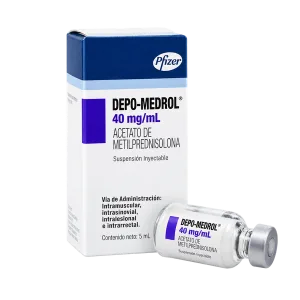
Depo-Medrol

Active ingredient: Methylprednisolone acetate
40mg1ml
From AED 27.86
bottles
4 (3)

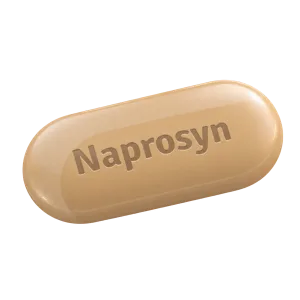
Naprosyn

Active ingredient: Naproxen
250mg 500mg
From AED 370.14
pills
4.1 (4)

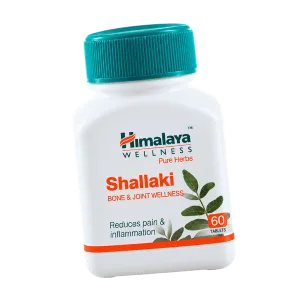
Shallaki

Active ingredient: Boswellia serrata
60caps
From AED 401.98
bottles
3.7 (3)

Comparison table: Anti-inflammatory

Sources

  1. EMA (2024). Summary of Product Characteristics (SmPC) — etoricoxib.
  2. FDA (2015). Drug Safety Communication: FDA strengthens warning that non-aspirin nonsteroidal anti-inflammatory drugs (NSAIDs) increase chance of heart attack or stroke.
  3. European Medicines Agency (2014). European Public Assessment Report (EPAR) — etoricoxib.

How Buyers Rate Arcoxia

4 Based on 4 reviews
Hamza, 35 Khor Fakkan
12 Nov 2026
Rating: 5 out of 5
I used Arcoxia for a painful knee flare and noticed that walking and climbing stairs became easier over the next few days. The stiffness was much less noticeable in the morning, and I was satisfied with the improvement.
Usman, 54 Sharjah
15 Oct 2026
Rating: 2 out of 5
Arcoxia did not help my back pain enough to continue. I also developed ankle swelling during the course, so I stopped and discussed it with my doctor rather than taking another tablet.
Sultan, 44 Al Ain
22 Oct 2026
Rating: 4 out of 5
The tablets reduced the swelling and soreness in my foot during a gout flare. I could sleep better once the pain eased, and the treatment gave me a clear improvement.
Arjun, 31 Mussafah A short period
4 Nov 2026
Rating: 5 out of 5
I took Arcoxia for a short period after a painful muscle injury. Movement became more comfortable, and I was pleased that the pain settled enough for normal daily activities.
Get our free app Shop faster and track your orders 4.0 · 268 reviews Install