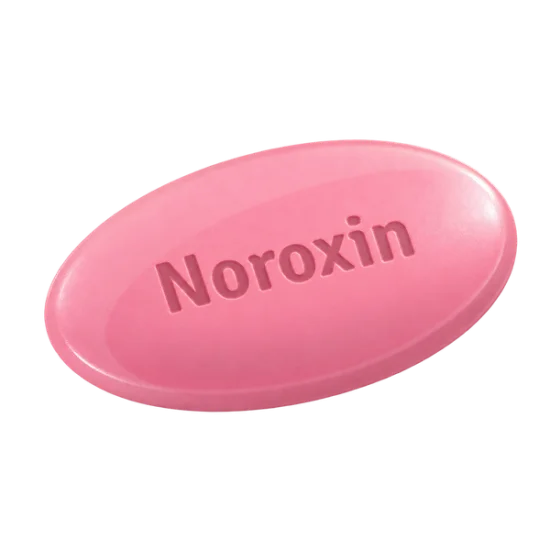
Noroxin
Active ingredient: Norfloxacin
Delivery: from 4 days
- Worldwide Delivery4-7 business days
- Quality GuaranteedOnly original products
- Bonus pillsSave up to 80%
- 24/7 SupportOur team of pharmacists is available 24/7 to help you
Noroxin contains norfloxacin, an antibacterial active ingredient in the fluoroquinolone class. Norfloxacin is the generic name associated with Noroxin. It acts against susceptible bacteria by interfering with enzymes required for bacterial growth and survival.
Product information
Fluoroquinolones are prescription antibiotics with activity against selected Gram-negative and some Gram-positive organisms. The choice of antibiotic depends on the infection site, local resistance patterns, culture results, kidney function, age, and other medicines.
Active Ingredient and Pharmacological Class
The active ingredient is norfloxacin. Noroxin is supplied as tablets and is intended for oral use.
Norfloxacin is an antibiotic, not an anti-inflammatory drug or a treatment for viral symptoms. Antibiotics cannot clear a common cold or influenza because those illnesses are caused by viruses.
Bacterial Infection Scope
Noroxin may be prescribed when a clinician considers norfloxacin suitable for a confirmed or strongly suspected bacterial infection. A course should not be shared with another person, saved for a later illness, or used to self-treat new urinary symptoms.
How it affects the body
Norfloxacin enters susceptible bacterial cells and blocks DNA gyrase and topoisomerase IV. These enzymes manage the coiling, copying, repair, and separation of bacterial DNA. When both processes are disrupted, the bacterium cannot multiply normally and may die.
DNA Gyrase and Topoisomerase IV Inhibition
DNA gyrase controls tension in bacterial DNA while the cell copies its genetic material. Topoisomerase IV helps separate newly copied DNA strands so that new bacterial cells can form.
Blocking these enzymes produces a cause-and-effect sequence: bacterial DNA handling becomes defective, cell division is impaired, and the infection may begin to resolve. The mechanism does not guarantee a response because bacteria can be resistant or the illness may have another cause.
WHO antimicrobial stewardship guidance supports using an antibiotic only when its expected benefit outweighs resistance and adverse-effect concerns [4].
Ingredients
Noroxin contains norfloxacin, an antibacterial active ingredient in the fluoroquinolone class. Norfloxacin is the generic name associated with Noroxin.
Active Ingredient and Pharmacological Class
The active ingredient is norfloxacin. Noroxin is supplied as tablets and is intended for oral use.
Dosage and administration
- Dose: The amount of norfloxacin is decided individually according to the infection, kidney function, age, other medicines, and health conditions; do not choose a dose in mg without prescribed instructions.
- Frequency: Take the prescribed number of Noroxin tablets at the prescribed times each day.
- Timing: Take the tablets orally with water on an empty stomach, commonly at least 1 hour before or 2 hours after food. Separate dairy products, antacids, iron, zinc, calcium, magnesium, and other mineral products as directed for the specific schedule.
- Duration: Continue Noroxin for the prescribed treatment duration. Do not extend or shorten the course without medical advice.
- Route: Swallow the tablets by mouth with water; do not use them as a topical treatment.
- Missed dose: Take it when remembered unless the next dose is near. If the next dose is close, skip the missed dose and do not take a double dose.
When not to use it
Extra caution or an alternative antibiotic may be needed with:
- Previous serious reaction to norfloxacin or another quinolone
- Previous tendon disorder linked to a fluoroquinolone
- Significant kidney impairment
- Seizure disorders or neurological disease
- A history of heart-rhythm disturbance
- Low potassium or magnesium
- Aortic or major blood-vessel disease risk
- Myasthenia gravis
- Previous severe antibiotic-associated diarrhoea
Norfloxacin can interact with medicines or products that alter absorption, heart rhythm, blood glucose, seizure threshold, or central nervous system function. Important categories include:
| Product category | Main concern | Practical action |
|---|---|---|
| Antacids and mineral supplements | Reduced norfloxacin absorption | Use a confirmed separation schedule |
| Iron, zinc, calcium, or magnesium products | Binding in the gut may reduce absorption | Give the prescriber a complete supplement list |
| Corticosteroids | Higher concern for tendon injury | Report tendon symptoms quickly |
| Medicines affecting heart rhythm | Additive rhythm risk in susceptible people | Review the full medicine list |
| Diabetes medicines | Blood-glucose changes may occur | Monitor as instructed and report unusual symptoms |
The FDA prescribing information describes administration and interaction precautions for norfloxacin [1].
When this is not for you
Noroxin is not for you if you have had a serious fluoroquinolone reaction or the infection has not been assessed as likely bacterial. Before the first dose, tell the prescriber about previous antibiotic reactions, tendon problems, nerve symptoms, kidney disease, heart-rhythm conditions, pregnancy, breastfeeding, and current medicines.
Pregnancy and breastfeeding require prescriber-led assessment because fluoroquinolone use is not routinely preferred when another suitable option exists. Older adults may have a higher risk of tendon injury, kidney-related accumulation, central nervous system reactions, and heart-rhythm complications.
Possible side effects
Noroxin can cause mild gastrointestinal or neurological symptoms, while fluoroquinolones also carry rare but serious risks involving tendons, nerves, mental health, heart rhythm, and severe allergic reactions. The European Medicines Agency has required class-wide precautions for potentially disabling and long-lasting fluoroquinolone reactions [3].
Common Gastrointestinal and Neurological Effects
Reported reactions may include:
- Nausea or abdominal discomfort
- Diarrhoea
- Headache
- Dizziness or light-headedness
- Changes in taste
- Sleep disturbance or restlessness
Mild symptoms may settle, but worsening diarrhoea, inability to keep fluids down, fainting, confusion, or severe dizziness needs medical attention.
Serious Tendon, Nerve, and Muscle Reactions
Tendon inflammation or rupture can affect the Achilles tendon, shoulder, hand, or other sites. Symptoms may begin during treatment or after the course has finished. Risk is higher in older adults, people with kidney disease, and people receiving corticosteroids, although tendon injury can occur without those factors.
Sudden tendon pain, swelling, stiffness, a snapping sensation, or difficulty walking requires stopping strenuous activity and obtaining urgent medical advice. Do not continue running, heavy lifting, or high-impact exercise while waiting for assessment.
Peripheral neuropathy may cause burning, tingling, numbness, altered sensation, or weakness. New neurological symptoms should be reported promptly because early action may limit further exposure.
Allergic, Cardiac, and Severe Diarrhoeal Reactions
Emergency care is needed for breathing difficulty, facial or throat swelling, collapse, extensive blistering rash, or rapidly worsening allergy symptoms. Severe watery or bloody diarrhoea during treatment or after completion may indicate antibiotic-associated colitis and requires prompt assessment.
Palpitations, fainting, or a seizure require urgent medical attention. The risk of heart-rhythm disturbance depends on the person’s medicines, electrolyte balance, heart history, and other risk factors.

Therapeutic indications
Noroxin may be prescribed for selected bacterial urinary tract infections and certain gastrointestinal infections in adults. The decision depends on the infection location, the suspected or identified organism, bacterial susceptibility, kidney function, and the person’s medical history.
Urinary Tract Infection Uses
Norfloxacin may be considered for selected lower urinary tract infections when local prescribing guidance and susceptibility results support its use. Burning urination, urgency, and frequent urination can also occur with non-bacterial conditions, so symptoms alone do not establish that an antibiotic is needed.
Possible kidney infection requires a different clinical pathway. Fever, chills, flank or back pain, vomiting, or marked illness should prompt urgent medical assessment rather than self-treatment with tablets intended for a lower urinary infection.
Selected Gastrointestinal Infection Uses
Noroxin may be used for selected bacterial gastrointestinal infections when a clinician considers the organism and clinical situation appropriate. Diarrhoea can result from viruses, food intolerance, inflammatory disease, or toxin exposure, and norfloxacin will not address every cause.
Bloody diarrhoea, persistent vomiting, high fever, confusion, severe abdominal pain, or signs of dehydration require prompt medical review. Oral fluids may help reduce dehydration while care is arranged, unless vomiting prevents drinking.
Clinical Situations Requiring Another Antibiotic
A different antibiotic may be preferred when resistance is likely, the infection involves tissue where norfloxacin has limited suitability, or the person has a contraindication to fluoroquinolones. Culture results can support a narrower antibiotic choice, which may reduce unnecessary exposure to broader agents.
Noroxin is not a universal treatment for every urinary, abdominal, or diarrhoeal illness.
Comparison
Noroxin belongs to the fluoroquinolone class. Other options may belong to different antibiotic classes and may be selected because they have a narrower spectrum, better suitability for a particular tissue, fewer relevant risks for a specific patient, or stronger local susceptibility data.
| Antibiotic approach | Typical prescribing logic | Main limitation |
|---|---|---|
| Noroxin and other fluoroquinolones | Selected susceptible bacterial infections when class benefits justify exposure | Tendon, nerve, neurological, rhythm, and resistance concerns |
| Narrower non-fluoroquinolone antibiotic | Culture-supported infection where a focused option is suitable | May not cover the identified organism or infection site |
| Broader-spectrum antibiotic | More complex infection or mixed susceptibility concern | Greater ecological impact and more adverse-effect considerations |
The most appropriate antibiotic cannot be selected from symptoms alone in every case. A narrower effective antibiotic may be preferable when laboratory results support it, while a different class may be needed when tissue penetration, resistance, or patient-specific safety factors change the balance.
Fluoroquinolone Class Comparison
Fluoroquinolones share a mechanism involving bacterial DNA enzymes, but they differ in distribution through body tissues, approved indications, dosing schedules, and susceptibility patterns. Norfloxacin has historically been used mainly in selected urinary and gastrointestinal contexts rather than as a general treatment for systemic infection.
The FDA’s fluoroquinolone safety communication describes serious adverse reactions that can involve more than one body system [2]. This is why class selection is based on clinical need rather than convenience.
Culture-Guided Antibiotic Selection
A urine or stool culture can identify the organism and provide a susceptibility result. When the result supports a narrower option, that approach can reduce unnecessary fluoroquinolone exposure and support antimicrobial stewardship.
Common mistakes
Medication-Use Mistakes
Common mistakes include:
- Taking Noroxin with milk or a mineral supplement
- Doubling the next dose after forgetting one
- Stopping early because urinary discomfort improves
- Continuing the course without reporting tendon pain
- Using tablets left from a previous infection
- Sharing tablets with a family member
- Assuming diarrhoea always requires an antibiotic
Improvement in burning urination does not prove that the infection has cleared. Conversely, persistent symptoms may signal resistance, kidney involvement, another diagnosis, or a complication requiring reassessment.
Tendon and Exercise Precautions
Avoid strenuous exercise when tendon pain or swelling develops. Corticosteroid treatment and older age can increase concern, so these details should be disclosed before Noroxin is prescribed.
A small but useful habit is to notice whether pain appears at the Achilles tendon when walking downstairs or rising from a chair. That pattern deserves attention rather than being dismissed as ordinary muscle soreness.
Unused antibiotics should not be kept for future self-treatment. Ask a pharmacy-led medicines disposal service about the appropriate local disposal route.
What doctors say
In clinical practice, the main benefit of Noroxin comes from matching the antibiotic to a susceptible bacterial infection and taking it at a schedule that preserves absorption. The trade-off is fluoroquinolone toxicity, which can be serious even when the course is short.
Common questions
How long does a Noroxin course last, and is long-term use acceptable?
The course length is individual and depends on the infection, response, kidney function, and prescribing guidance. Noroxin should not be used long term without a clear clinical reason and regular review because prolonged exposure increases adverse-effect and resistance concerns. WHO guidance from 2022 supports using the shortest appropriate antibiotic course for the diagnosed infection. Never extend treatment to finish unused tablets.
What happens after stopping Noroxin, and does it need tapering?
Noroxin does not usually require tapering because antibiotics are not reduced gradually like certain corticosteroids or antidepressants. Stopping early can leave infection inadequately treated, while stopping because of tendon pain, neuropathy, severe allergy, or serious diarrhoea requires prompt medical assessment. The FDA safety communication from 2018 and EMA guidance from 2018 both support urgent action for serious fluoroquinolone reactions. Do not restart the tablets unless a clinician specifically advises it.
Do you offer anonymous delivery?
Your order will be securely packed and shipped within 24 hours. This is exactly what your package will look like (images of an actual item sent). It has the size and look of a regular private letter (24x11x0.7 cm) and its contents cannot be seen.
Comparison
Sources
- U.S. Food and Drug Administration (2008). NOROXIN (norfloxacin) Tablets, USP — Prescribing Information.
- U.S. Food and Drug Administration (2018). FDA updates warnings for fluoroquinolone antibiotics due to disabling side effects.
- European Medicines Agency (2018). Quinolone- and fluoroquinolone-containing medicinal products — referral procedure.
- World Health Organization (2022). The WHO AWaRe antibiotic book: Antibiotic treatment recommendations for common infections.