Skip to content
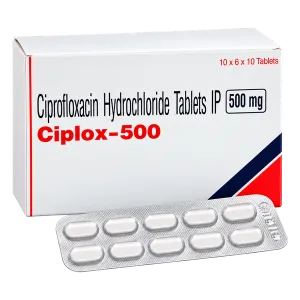
Ciplox

Ciplox

Active ingredient: Ciprofloxacin

Dosage
Package
Package

AED 358.20

AED 600.98 AED 716.40 Save 16%

AED 843.76 AED 1,074.60 Save 21%

AED 1,086.54 AED 1,432.80 Save 24%

AED 1,564.14 AED 2,149.20 Save 27%

AED 2,284.52 AED 3,223.80 Save 29%

AED 3,016.84 AED 4,298.40 Save 30%

AED 318.40

AED 489.54 AED 636.80 Save 23%

AED 656.70 AED 955.20 Save 31%

AED 776.10 AED 1,432.80 Save 46%

AED 851.72 AED 1,910.40 Save 55%

Free delivery on orders from AED 796.00, free express delivery from AED 1,194.00

Delivery: from 4 days

It is used for susceptible bacterial infections when a clinician considers ciprofloxacin appropriate, stopping bacterial DNA replication so bacteria cannot multiply. Ciplox is intended for bacterial infection treatment and does not treat viral illnesses such as colds or influenza.

Product information

Ciprofloxacin hydrochloride, the active ingredient of Ciplox, is a fluoroquinolone antibiotic supplied as oral tablets.

How it affects the body

Ciprofloxacin blocks bacterial DNA gyrase and topoisomerase IV. These enzymes help bacteria coil their DNA. They also support copying and repair of genetic material. Inhibition disrupts these processes in susceptible bacteria. As a result, those bacteria cannot reproduce effectively.

Ingredients

Ciplox contains ciprofloxacin hydrochloride, an antibiotic from the fluoroquinolone class. It treats bacterial infections caused by organisms that are sensitive to ciprofloxacin; it does not treat viral illnesses such as colds or influenza.

Component Role
Ciprofloxacin hydrochloride Fluoroquinolone antibacterial active ingredient
Oral tablet Delivers ciprofloxacin for systemic treatment

The FDA prescribing information lists ciprofloxacin for selected bacterial infections and stresses that its use should be reserved for situations where the expected benefit outweighs fluoroquinolone risks [1]. NICE antimicrobial guidance also supports targeted antibiotic selection for bacterial infections.

Ciplox is intended for bacterial infection treatment. A sore throat, cough, earache, or urinary discomfort does not automatically mean an antibiotic is needed.

Dosage and administration

Ciplox is an oral tablet. Dosing differs between strengths and between users, so there is no single amount that suits everyone.

For many adult infections, a clinician may prescribe ciprofloxacin at an interval suited to the infection and the individual patient. Treatment length varies widely: an uncomplicated infection may require a shorter course, while prostate, bone, or complicated urinary infections can require longer treatment. Do not change the interval or stop early simply because symptoms improve.

Children should receive ciprofloxacin only for a specifically diagnosed indication and under specialist direction. Fluoroquinolones have specific musculoskeletal precautions in paediatric patients, so adult regimens must never be copied for a child.

Take Ciplox at roughly the same times each day. Follow the prescribed schedule consistently.

Kidney impairment may require dose adjustment. Tell the prescriber about reduced kidney function, dialysis, dehydration, or a history of kidney stones before treatment starts.

Swallow Ciplox tablets whole with a full glass of water. Tablets should not be crushed unless a prescriber has specifically advised an alternative method, since crushing can make the unpleasant taste more pronounced and may complicate accurate dosing.

Use this routine:

  1. Take the prescribed tablet dose at the instructed interval.
  2. Drink water regularly during the course unless fluid intake is restricted for a medical reason.
  3. Keep mineral-containing products away from the dose.
  4. Finish the prescribed course unless a clinician tells you to stop because of an adverse reaction.
  5. Do not save tablets for later urinary, dental, throat, or stomach symptoms.

If a dose is missed, take it when remembered unless the next dose is due soon. In that case, skip the missed dose and return to the normal schedule. Do not double doses.

Ciprofloxacin can interact with minerals in antacids, multivitamins, iron, zinc, calcium, magnesium, sucralfate, and some nutritional supplements. Separate Ciplox from these products by taking ciprofloxacin at least two hours before or six hours after them.

Milk or yoghurt alone can reduce ciprofloxacin absorption. It can be taken with a normal meal that contains dairy, but avoid taking the tablet with dairy as the only food.

When not to use it

Ciplox is not for you if you have had an allergic reaction to ciprofloxacin, another fluoroquinolone antibiotic, or a component of the tablet. Previous reactions such as widespread hives, facial swelling, wheezing, faintness, or severe blistering rash need to be treated as serious allergy history.

Avoid Ciplox or seek prescriber review before use if you have:

  • A previous fluoroquinolone-related tendon injury.
  • Myasthenia gravis, because fluoroquinolones may worsen muscle weakness.
  • A known aortic aneurysm, aortic dissection, or strong risk factors for these conditions.
  • A seizure disorder or a condition that raises seizure risk.
  • Serious heart rhythm concerns, especially known QT prolongation.
  • Marked kidney impairment.
  • A history of peripheral neuropathy after an antibiotic.
  • Glucose-control problems, including diabetes treated with glucose-lowering medicines.

When this is not for you

Severe allergy needs emergency care. Stop the medicine and seek urgent medical help for breathing difficulty, swelling of the lips or throat, collapse, or a widespread blistering rash.

New pain, swelling, or stiffness around the Achilles tendon, shoulder, hand, or knee is not a symptom to push through during ciprofloxacin treatment.

Possible side effects

Nausea, diarrhoea, stomach discomfort, headache, altered taste, and dizziness are among the more frequent effects reported with oral ciprofloxacin. These effects may settle, yet persistent vomiting, severe diarrhoea, or inability to maintain fluids requires medical review.

Fluoroquinolone adverse effects can be more serious than routine stomach upset. Tendinitis and tendon rupture may occur during treatment or after it ends. The risk rises in older adults, people with kidney disease, transplant recipients, and people using corticosteroids.

Seek urgent assessment for:

  • Sudden tendon pain, swelling, bruising, or difficulty walking.
  • Burning, tingling, numbness, weakness, or altered sensation in the hands or feet.
  • Severe agitation, confusion, hallucinations, seizures, or profound sleep disturbance.
  • Palpitations, fainting, or marked dizziness.
  • Severe or persistent watery diarrhoea, especially with fever or abdominal cramps.
  • A rash with peeling skin, mouth sores, or eye irritation.

Fungal overgrowth can occur after antibiotics disturb normal microbial balance. Persistent oral thrush, genital itching, unusual discharge, or worsening symptoms after treatment merit assessment instead of self-treatment.

The European Medicines Agency concluded that systemic fluoroquinolones can cause disabling and potentially long-lasting effects involving tendons, muscles, joints, and the nervous system, which is why careful selection is essential [3].

Therapeutic indications

Ciplox may be prescribed for susceptible bacterial infections of the urinary tract, kidneys, prostate, digestive tract, skin, bones, joints, or certain respiratory sites. The site of infection, bacterial susceptibility, kidney function, previous antibiotic use, and severity of symptoms all affect whether ciprofloxacin is suitable.

Common treatment contexts include:

  • Complicated or recurrent urinary tract infections.
  • Kidney infections caused by susceptible bacteria.
  • Chronic bacterial prostatitis.
  • Selected bacterial gastrointestinal infections.
  • Some skin, bone, joint, or lower respiratory bacterial infections when other options are unsuitable.
  • Post-exposure treatment or prevention for specific serious bacterial infections when clinically indicated.

Ciprofloxacin is not a first-choice antibiotic for every infection. WHO’s AWaRe Antibiotic Book places fluoroquinolones in the Watch group, reflecting their important role and the need for careful, targeted prescribing to limit antimicrobial resistance [2].

Symptoms that need prompt assessment include high fever, flank pain, blood in urine, severe diarrhoea, shortness of breath, confusion, or rapidly spreading skin redness.

Comparison

Ciplox tablets deliver ciprofloxacin throughout the body. This makes them appropriate for selected systemic infections, while it also means they carry more interaction and whole-body adverse-effect considerations than a medicine acting only at a local site.

Treatment approach Typical role Key consideration
Oral Ciplox tablets Susceptible systemic bacterial infections Absorption, kidney function, interactions, tendon and nerve risks
Local antibacterial treatment Surface or site-specific infections Choice depends on examination findings and infection location
Non-antibiotic symptom treatment Viral or non-infectious conditions Does not eradicate a bacterial infection

A urine test or culture can be useful in recurrent, severe, or treatment-resistant urinary infections. It helps identify the organism and shows whether ciprofloxacin is likely to work. Taking leftover antibiotics before testing can make culture results harder to interpret.

Common mistakes

Several avoidable mistakes reduce ciprofloxacin’s chance of success or increase side-effect risk.

  • Taking antacids, iron, zinc, magnesium, or calcium supplements close to the tablet.
  • Stopping treatment when burning or fever improves.
  • Continuing despite new tendon pain, numbness, or severe mental changes.
  • Using leftover tablets for a later illness.
  • Taking doses too close together after a missed dose.
  • Increasing strenuous exercise despite tendon discomfort.
  • Treating dehydration as a minor issue during diarrhoea or fever.

One detail patients often miss is sunlight sensitivity. Ciprofloxacin can make skin more reactive to strong sunlight, so limit prolonged direct exposure and use protective clothing during treatment.

What doctors say

In clinical practice, prescribers often reserve ciprofloxacin for infections where culture results, infection location, allergy history, or resistance patterns make it a sensible option. The benefit can be substantial for a susceptible bacterial infection, yet the medicine is not a casual choice because tendon, nerve, mood, and interaction risks need individual consideration.

Doctors commonly ask about previous tendon pain from antibiotics, steroid tablets or injections, heart rhythm history, seizures, diabetes treatment, and regular medicines before prescribing. They also assess whether symptoms could represent a condition that does not require an antibiotic.

A useful expectation is straightforward: symptoms may begin improving before the course ends, but improvement does not prove that the infection has fully cleared. Persistent fever, worsening pain, or no improvement within the expected clinical timeframe needs reassessment.

Common questions

Can I take Ciplox if I previously had a reaction to another quinolone antibiotic?

No. A prior allergy to ciprofloxacin or another quinolone or fluoroquinolone rules out Ciplox unless a specialist has assessed the reaction and given specific advice. The FDA’s 2016 ciprofloxacin prescribing information lists hypersensitivity as a contraindication. Seek emergency care for breathing difficulty, facial swelling, faintness, or a widespread rash.

Should Ciplox be taken with food or on an empty stomach?

Ciplox may be taken with or without food, and food can help if the tablet causes nausea. Do not take it with milk, yoghurt, or calcium-fortified drinks as the only food because absorption may fall. FDA prescribing information from 2016 advises separating ciprofloxacin from mineral-containing antacids and supplements. Use water for the dose.

Can Ciplox be used during pregnancy or while breastfeeding?

A clinician should assess pregnancy and breastfeeding use individually because the infection, treatment length, and alternatives matter. Ciprofloxacin enters milk, so breastfeeding requires a tailored decision rather than an automatic stop. EMA safety restrictions published in 2019 reinforce the need to weigh systemic fluoroquinolone risks against treatment benefit. Contact the prescriber promptly if pregnancy begins during a course.

Can Ciplox be combined with antacids, iron, zinc, or magnesium supplements?

These products can bind ciprofloxacin in the gut and reduce the amount absorbed. WHO guidance published in 2023 supports careful antibiotic use, which includes preventing avoidable absorption failures. Take Ciplox at least two hours before or six hours after antacids, sucralfate, iron, zinc, magnesium, calcium supplements, or multivitamins containing these minerals. This spacing also applies to many sports and wellness supplements.

Which diet, exercise, or daily habits can help or hinder Ciplox treatment?

Regular water intake supports hydration, especially if fever or diarrhoea is present. Avoid intense exercise if you develop tendon discomfort, and stop activity immediately if a tendon becomes painful or swollen. EMA guidance from 2019 links systemic fluoroquinolones with tendon and nerve risks, so new symptoms deserve prompt clinical review. Limiting excess caffeine may also reduce tremor, palpitations, and insomnia.

Do you offer anonymous delivery?

Your order will be securely packed and shipped within 24 hours. This is exactly what your package will look like (images of an actual item sent). It has the size and look of a regular private letter (24x11x0.7 cm) and its contents cannot be seen.

Comparison

Ampicillin

Active ingredient: Ampicillin
250mg 500mg
From AED 318.40
pills
4 (3)

Augmentin

Active ingredient: Amoxicillin, Clavulanic acid
1000mg 375mg 625mg
From AED 425.86
pills
3.8 (3)

Bactrim

Active ingredient: Sulfamethoxazole, Trimethoprim
480mg 960mg
From AED 370.14
pills
4 (5)

Cefadroxil

Active ingredient: Cefadroxil
250mg 500mg
From AED 350.24
pills
4 (3)

Chloramphenicol

Active ingredient: Chloramphenicol
500mg
From AED 768.14
pills
4.2 (5)

Ciplox Current

Active ingredient: Ciprofloxacin
500mg 250mg
From AED 318.40
pills
4.2 (3)

Comparison table: Antibiotics

Sources

  1. FDA (2016). CIPRO (ciprofloxacin hydrochloride) prescribing information.
  2. World Health Organization (2023). The WHO AWaRe antibiotic book.
  3. European Medicines Agency (2019). Disabling and potentially permanent side effects lead to suspension or restrictions of quinolone and fluoroquinolone antibiotics.

How Buyers Rate Ciplox

4.2 Based on 3 reviews
Khalid N., 34 Ras Al Khaimah Seven days
15 Oct 2026
Rating: 5 out of 5
The urinary burning eased after the second day, and I completed the course as scheduled. Taking the tablet with plenty of water helped me keep the routine consistent.
Suresh C., 62 Al Ain The week
25 Oct 2026
Rating: 3.5 out of 5
The infection symptoms settled over the week, but I had mild nausea for the first two days. I kept the doses away from my calcium supplement, which made the schedule a little less convenient.
Rashid, 69 Dibba Al-Fujairah Five days
12 Nov 2026
Rating: 4 out of 5
My fever and urinary discomfort improved steadily, and I was satisfied with the result. I set phone reminders for the morning and evening doses so I did not miss one.
Get our free app Shop faster and track your orders 4.0 · 268 reviews Install