Skip to content
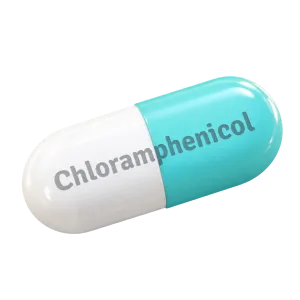
Chloramphenicol

Chloramphenicol

Active ingredient: Chloramphenicol

Package

AED 768.14

AED 1,054.70 AED 1,152.21 Save 8%

AED 1,325.34 AED 1,536.28 Save 14%

AED 1,870.60 AED 2,304.42 Save 19%

AED 2,706.40 AED 3,456.63 Save 22%

AED 3,550.16 AED 4,608.84 Save 23%

Free delivery on orders from AED 796.00, free express delivery from AED 1,194.00

Delivery: from 4 days

Chloramphenicol capsules may be prescribed after assessment of the infection, medical history, and other medicines. It blocks bacterial protein production, but its rare blood-related toxicity limits routine use.

Product information

Chloramphenicol, the active ingredient of Chloramphenicol, is a broad-spectrum antibiotic reserved for susceptible serious bacterial infections when suitable alternatives are unavailable.

How it affects the body

Chloramphenicol binds to the bacterial 50S ribosomal subunit. Ribosomes are the structures bacteria use to assemble proteins, and chloramphenicol interferes with that process.[2]

50S Ribosomal Binding

The 50S ribosomal subunit forms part of the bacterial protein-making system. When chloramphenicol binds to it, the bacterium has greater difficulty joining amino acids into new proteins.

This action affects bacteria rather than human ribosomes at therapeutic exposure, although toxicity can occur because mitochondria in human cells have some bacterial-like features.

Bacterial Protein Synthesis Inhibition

By reducing bacterial protein synthesis, chloramphenicol can slow or stop the growth of susceptible organisms. The mechanism explains antibacterial activity, not immediate symptom relief.

Fever, pain, fatigue, or inflammation may improve only after the infection begins responding. Laboratory susceptibility, tissue penetration, resistance, and the patient’s immune response all influence the clinical result.

A falling temperature does not prove that the infection has cleared. Complete the prescribed course unless the prescriber specifically stops it or urgent symptoms require immediate review.

Ingredients

Chloramphenicol capsules contain chloramphenicol as the active antibacterial substance. The product is supplied as oral capsules rather than an eye ointment, eye drop, or injection.

The strength is selected individually. Age, liver function, blood disorders, infection severity, and other medicines influence the prescribing decision.

Pharmacological Role

Chloramphenicol is the antibacterial component. It inhibits bacterial protein synthesis through binding at the 50S ribosomal subunit.

A formulation containing chloramphenicol alone does not contain polymyxin-B sulphate or dexamethasone. Those substances belong to separate combination ophthalmic preparations and should not be assumed to be present in oral Chloramphenicol capsules.

Ophthalmic Combination Preparations

Some eye ointments combine chloramphenicol with polymyxin-B sulphate and dexamethasone. Polymyxin-B sulphate acts mainly against selected Gram-negative bacteria by disturbing bacterial cell membrane integrity, while dexamethasone suppresses ocular inflammation.

A steroid-containing eye ointment has a different risk profile from oral chloramphenicol or chloramphenicol-only ophthalmic treatment. Dexamethasone can reduce redness and swelling while masking deterioration, and it requires an appropriate ophthalmic diagnosis.

Dosage and administration

The dose of Chloramphenicol is decided individually, taking age, other medicines, and health conditions into account. Use the prescribed capsule strength, frequency, and treatment duration exactly as directed.

  • Swallow the capsule with water.
  • Take doses at the prescribed times.
  • Keep doses evenly spaced when a regular schedule has been prescribed.
  • Do not open, crush, or chew the capsule unless a prescriber specifically directs this.
  • Do not share capsules with another person.
  • Do not save remaining capsules for a future illness.
  • Complete the prescribed course unless a clinician stops treatment.

Missed Dose

Take a missed dose when remembered unless the next scheduled dose is near. If the next dose is near, skip the missed dose and return to the normal schedule.

Do not take two doses together. Doubling the dose does not restore antibacterial protection safely and may increase adverse effects.

Write down the time of each dose if the schedule is difficult to remember. This simple step reduces accidental double dosing, especially when illness or night-time dosing disrupts routine.

When not to use it

Chloramphenicol is not suitable for everyone. A clinician should review the patient’s medical history before prescribing it.

Chloramphenicol is Not for You If

  • Have had a serious allergy to chloramphenicol
  • Have a history of chloramphenicol-related bone-marrow suppression
  • Have a significant blood disorder
  • Have severe liver disease affecting medicine metabolism
  • Are taking another medicine that can suppress bone marrow
  • Need treatment for an infection that has safer, suitable alternatives
  • Are pregnant or breastfeeding unless a prescriber has assessed the benefit and risk

Newborns and very young infants require special caution because impaired drug clearance can cause serious toxicity, including the recognised “grey baby” reaction.

Interactions

Tell the prescriber about anticoagulants, diabetes medicines, anticonvulsants, medicines affecting liver enzymes, and other antibiotics. Chloramphenicol can alter the metabolism or clinical effect of some medicines.

The combination with other bone-marrow-suppressing medicines requires careful clinical consideration. Alcohol does not reliably prevent chloramphenicol toxicity, so drinking alcohol is not a safety strategy.

When this is not for you

This medicine may be unsuitable if you:

  • Have had a serious allergy to chloramphenicol
  • Have a history of chloramphenicol-related bone-marrow suppression
  • Have a significant blood disorder
  • Have severe liver disease affecting medicine metabolism
  • Are taking another medicine that can suppress bone marrow
  • Need treatment for an infection that has safer, suitable alternatives
  • Are pregnant or breastfeeding unless a prescriber has assessed the benefit and risk

Newborns and very young infants require special caution because impaired drug clearance can cause serious toxicity, including the recognised “grey baby” reaction.

Possible side effects

Chloramphenicol can cause nausea, vomiting, diarrhoea, headache, or abdominal discomfort. Skin rash and other hypersensitivity reactions can also occur.

The major safety concern is bone-marrow toxicity. Rare reactions include aplastic anaemia and other blood-cell abnormalities, which may appear during treatment or after exposure.[3]

Common Treatment Effects

Possible effects include:

  • Nausea or reduced appetite
  • Vomiting or loose stools
  • Headache
  • Mild abdominal discomfort
  • Skin rash or itching
  • Temporary changes in taste

Persistent diarrhoea, especially with blood or severe abdominal pain, needs medical assessment because antibiotic-associated colitis can occur after antibacterial treatment.

Serious Blood-Related Toxicity

Seek urgent medical assessment for unusual bruising, bleeding, extreme tiredness, persistent fever, sore throat, mouth ulcers, pallor, or repeated infections. These symptoms may indicate reduced blood-cell production.

Chloramphenicol can also cause dose-related reversible suppression of blood-cell production. The rare idiosyncratic form of aplastic anaemia is more serious and may not be predicted by the treatment dose.

A sore throat during or after chloramphenicol deserves more attention than an ordinary mild cold symptom when it occurs with fever, mouth ulcers, pallor, bruising, or unusual fatigue.

Allergy and Immediate Reactions

Stop taking the medicine and obtain urgent medical help for facial swelling, lip or tongue swelling, breathing difficulty, widespread blistering rash, or collapse.

Increasing symptoms should not be covered by continuing treatment without review. This applies to worsening infection as well as suspected allergy.

Therapeutic indications

Chloramphenicol capsules are intended for systemic treatment when a clinician has selected oral chloramphenicol for a susceptible bacterial infection. The exact indication depends on the diagnosis and the prescriber’s assessment.

Possible clinical situations include serious infections caused by organisms such as Salmonella Typhi or other susceptible bacteria, though local resistance patterns and current treatment guidance influence antibiotic selection.[1]

Bacterial Infections Requiring Specialist Selection

Chloramphenicol may be considered for infections such as:

  • Serious infections caused by susceptible bacteria
  • Selected central nervous system infections
  • Enteric fever caused by susceptible Salmonella strains
  • Severe infections where alternative antibiotics are unsuitable
  • Infections confirmed or strongly suspected to involve chloramphenicol-sensitive organisms

The capsule form is not appropriate for every bacterial illness. Mild infections commonly have safer alternatives, and treatment should not be chosen from symptoms alone.

Eye Infections and Other Local Conditions

Bacterial conjunctivitis, blepharoconjunctivitis, keratitis, and corneal ulcers are treated with ophthalmic preparations when appropriate. These conditions need a formulation designed for the eye.

A capsule does not replace an eye preparation. Corneal ulcers, marked pain, light sensitivity, discharge with reduced vision, and post-operative eye symptoms require urgent ophthalmic review.

Comparison

Chloramphenicol capsules and a chloramphenicol-containing eye ointment are different dosage forms with different clinical uses. A combination eye ointment is not automatically preferable to an antibiotic-only preparation.

Treatment approach Main role Key limitation
Oral chloramphenicol Systemic treatment of selected serious susceptible infections Blood toxicity and other systemic risks restrict routine use
Ophthalmic chloramphenicol Local treatment of selected bacterial eye infections Does not treat every red or irritated eye
Combination ophthalmic treatment Antibacterial treatment plus selected inflammation control Dexamethasone adds steroid-related risks

Antibacterial Spectrum

Polymyxin-B sulphate targets selected Gram-negative bacteria, including some organisms within the Pseudomonas group. It does not provide complete coverage of every Gram-negative organism.

Chloramphenicol’s spectrum also varies by organism and resistance pattern. Culture and susceptibility testing can be decisive when infection is severe or treatment response is poor.

Inflammation Control and Steroid Risk

Dexamethasone suppresses inflammation, redness, swelling, and some allergic responses. It does not eradicate bacteria.

A patient whose eye feels less irritated may still have a progressing infection. Worsening pain, reduced vision, or increasing light sensitivity after starting a steroid-containing eye product needs urgent review.

Common mistakes

Common Patient Mistakes

Common errors include taking two capsules after a missed dose, stopping as soon as fever falls, using oral capsules for eye symptoms, and assuming every bacterial infection responds to the same antibiotic.

Another mistake is overlooking other medicines. Anticoagulants, anticonvulsants, diabetes treatments, and medicines that affect blood-cell production can change the risk profile.

Keep a written list of all prescription medicines, over-the-counter products, and supplements when chloramphenicol is prescribed. Interaction screening is easier when the complete list is available.

What doctors say

In clinical practice, prescribers reserve chloramphenicol for situations where its antibacterial activity is justified by the infection and safer choices are unsuitable. The benefit must be weighed against rare but serious blood toxicity, drug interactions, and the possibility of resistance.

Pharmacist Guidance

  • Take the medicine at evenly spaced times when a regular schedule is prescribed.
  • Never share antibiotics or use capsules left from a previous illness.
  • Report bruising, unusual fatigue, persistent fever, or sore throat promptly.
  • Use a separate ophthalmic formulation for an eye infection when that is what has been prescribed.

Feeling better does not always mean that bacterial eradication is complete. Stopping early can leave surviving organisms and make treatment failure more likely.

Common questions

Can chloramphenicol be used during pregnancy or breastfeeding?

Pregnancy and breastfeeding require an individual benefit-risk assessment because chloramphenicol can cross biological barriers and may expose the infant. The WHO (2023) identifies chloramphenicol as a clinically significant antibiotic whose use depends on the infection and available alternatives. Clinical review should also consider treatment duration and the infant’s condition. An infant’s age, maternal condition, treatment duration, and route of administration all affect the decision. Do not start, stop, or restart Chloramphenicol during pregnancy or breastfeeding without a specific prescriber’s plan.

Which symptoms mean that chloramphenicol should be stopped and reviewed urgently?

Urgent symptoms include breathing difficulty, facial swelling, widespread blistering rash, unusual bruising, pallor, severe weakness, persistent fever, mouth ulcers, or a sore throat with marked fatigue. The FDA prescribing information (2009) identifies serious blood-related reactions as a major safety concern with chloramphenicol. Severe diarrhoea with blood or intense abdominal pain also needs prompt assessment. A prescriber may need to stop treatment and arrange blood testing or an alternative antibiotic.

Which condition rules chloramphenicol out?

A previous serious chloramphenicol-related bone-marrow reaction rules out re-exposure. The EMA (2019) describes antimicrobial prescribing as a balance between expected clinical benefit, resistance, and medicine-related harm.[4] A severe blood disorder, significant liver impairment, or a serious allergy can also make Chloramphenicol unsuitable. The decision depends on the patient’s history and the availability of another appropriate antibiotic.

Can chloramphenicol cause aplastic anaemia?

Yes. Aplastic anaemia is a rare but potentially life-threatening adverse reaction associated with chloramphenicol. The FDA label (2009) describes serious blood dyscrasias that can occur even when treatment exposure does not appear excessive. Unusual bruising, bleeding, pallor, persistent infection, fever, or profound tiredness requires urgent medical assessment rather than continued self-treatment.

What should happen after a missed dose?

Take the missed capsule when remembered unless the next dose is close. If the next dose is near, skip the missed one and continue at the usual time; never double the amount. The WHO’s (2023) antibiotic guidance supports adherence to the selected regimen while avoiding unnecessary extra exposure. If several doses have been missed, contact the prescriber for an updated plan instead of extending treatment independently.

How long does one dose of chloramphenicol keep working?

One dose does not provide a fixed period of protection that is identical for every person. Its antibacterial exposure depends on the prescribed schedule, absorption, liver function, infection site, and the organism’s susceptibility. The FDA prescribing information (2009) describes dosing as dependent on clinical circumstances rather than a universal single-dose duration. Continue the individual schedule and do not take extra capsules because symptoms have not improved quickly.

Do you offer anonymous delivery?

Your order will be securely packed and shipped within 24 hours. This is exactly what your package will look like (images of an actual item sent). It has the size and look of a regular private letter (24x11x0.7 cm) and its contents cannot be seen.

Comparison

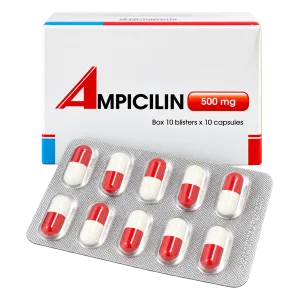
Ampicillin

Active ingredient: Ampicillin
250mg 500mg
From AED 318.40
pills
4 (3)

Augmentin

Active ingredient: Amoxicillin, Clavulanic acid
1000mg 375mg 625mg
From AED 425.86
pills
3.8 (3)

Bactrim

Active ingredient: Sulfamethoxazole, Trimethoprim
480mg 960mg
From AED 370.14
pills
4 (5)

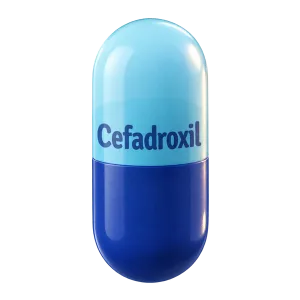
Cefadroxil

Active ingredient: Cefadroxil
250mg 500mg
From AED 350.24
pills
4 (3)

Chloramphenicol Current

Active ingredient: Chloramphenicol
500mg
From AED 768.14
pills
4.2 (5)

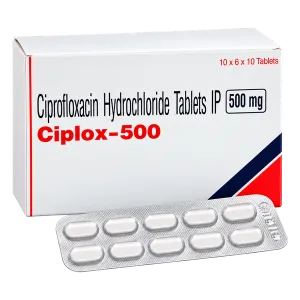
Ciplox

Active ingredient: Ciprofloxacin
500mg 250mg
From AED 318.40
pills
4.2 (3)

Comparison table: Antibiotics

Sources

  1. World Health Organization (2023). WHO AWaRe Antibiotic Book.
  2. National Center for Biotechnology Information (2024). Chloramphenicol — StatPearls.
  3. U.S. Food and Drug Administration (2009). Chloromycetin (chloramphenicol) prescribing information.
  4. European Medicines Agency (2019). Antimicrobial resistance: medicines for human use.

How Buyers Rate Chloramphenicol

4.2 Based on 5 reviews
Khalid, 56 Jumeirah
15 Oct 2026
Rating: 3 out of 5
I was prescribed the capsules for a confirmed bacterial infection. The fever settled after several days, although the treatment made my stomach unsettled and I needed to take extra care with the timing.
Saeed, 28 Al Khawaneej
24 Oct 2026
Rating: 3.5 out of 5
The antibiotic helped the infection, but the improvement was slower than I expected. I had mild nausea during the course, which passed after treatment ended.
Karim F., 39 Al Qusais
30 Oct 2026
Rating: 5 out of 5
The capsules worked for the infection I was given them for. I followed the schedule closely and felt back to my usual routine after the course.
Zubair, 44 Al Dhaid
5 Nov 2026
Rating: 5 out of 5
I noticed a clear improvement in my symptoms during treatment. The capsules were straightforward to take, and I did not have trouble keeping to the prescribed times.
Usman, 45 Liwa
12 Nov 2026
Rating: 4.5 out of 5
The infection improved after I started the prescribed course. I appreciated having a simple dosing routine and finished the treatment as directed.
Get our free app Shop faster and track your orders 4.0 · 268 reviews Install