Skip to content
Erythromycin

Erythromycin

Active ingredient: Erythromycin

Dosage
Package
Package

AED 441.78

AED 537.30 AED 589.04 Save 9%

AED 760.18 AED 883.56 Save 14%

AED 1,062.66 AED 1,325.34 Save 20%

AED 1,373.10 AED 1,767.12 Save 22%

AED 489.54

AED 668.64 AED 734.31 Save 9%

AED 843.76 AED 979.08 Save 14%

AED 1,194.00 AED 1,468.62 Save 19%

AED 1,707.42 AED 2,202.93 Save 22%

AED 2,232.78 AED 2,937.24 Save 24%

Free delivery on orders from AED 796.00, free express delivery from AED 1,194.00

Delivery: from 4 days

Adults and children with selected bacterial infections may be prescribed Erythromycin when a clinician identifies a susceptible organism. It is a macrolide antibiotic. It slows bacterial protein production.

Product information

Erythromycin contains the active substance erythromycin, which belongs to the macrolide antibiotics.

How it affects the body

Erythromycin acts on bacteria rather than directly relieving pain, fever, swelling, or congestion. Symptoms may improve at different speeds because the infection site, bacterial susceptibility, immune response, and severity all affect recovery.

Bacterial Protein Synthesis Inhibition

The term bacteriostatic describes an antibiotic that mainly slows bacterial growth rather than instantly destroying every bacterium. Erythromycin binds to the bacterial 50S ribosomal subunit and disrupts protein production.

Once bacterial growth is controlled, the immune system can clear remaining organisms. This explains why a person may still feel unwell early in treatment even when the antibiotic is acting against susceptible bacteria.

Ingredients

Erythromycin contains the active substance erythromycin, which belongs to the macrolide antibiotics. The pills are used for susceptible bacterial infections, with the choice depending on the infection site, diagnosis, local resistance patterns, and the patient’s medical history.

Macrolide Antibiotic Classification

Macrolides attach to bacterial ribosomes, the structures bacteria use to build proteins. Erythromycin interferes with this process, so susceptible bacteria cannot grow and reproduce normally [1].

Common clinical uses can include:

  • Respiratory tract infections caused by susceptible bacteria
  • Certain throat, ear, and sinus infections
  • Some skin and soft-tissue infections
  • Dental infections in selected circumstances
  • Certain sexually transmitted infections
  • Some bacterial infections in people who cannot use a penicillin-type antibiotic

Erythromycin is not suitable for every infection. The treatment is NOT for you if a clinician has identified a serious macrolide allergy, a significant heart-rhythm risk, or a clinically important interaction. A bacterial culture, examination, local guidance, or the suspected organism may influence the selection.

Bacterial Conditions Treated by Erythromycin

Erythromycin may be selected when its antibacterial coverage matches the suspected infection. The required course and dosing schedule differ between infections and patients, so there is no single amount that suits everyone.

A penicillin allergy can influence antibiotic selection, but it does not automatically make erythromycin the correct choice. The diagnosis, allergy history, heart rhythm risk, liver function, and other medicines still matter.

Viral Infection Limitations

Erythromycin does not treat viral colds, influenza, or most uncomplicated viral sore throats. Taking an antibiotic for a viral illness exposes the person to side effects without treating the cause and can contribute to antibiotic resistance.

Dosage and administration

  • Take Erythromycin pills by mouth at the prescribed dose and frequency.
  • Keep doses spaced as evenly as the prescribed schedule allows.
  • Follow the food instructions provided for the specific dispensed product, because food effects can differ between formulations.
  • Complete the prescribed course unless the prescriber changes the plan.
  • Swallow the pills as directed. Do not alter them unless the dispensing instructions specifically permit it.
  • Store the medicine in the manner stated by the dispensing instructions and keep it away from children.
  • If a dose is missed, take it when remembered unless the next dose is near; never double the next dose.

Oral Administration Principles

Erythromycin may cause nausea, abdominal discomfort, or diarrhoea. Irregular dosing can make gastrointestinal upset feel worse when doses are taken too close together or several missed doses are taken at once.

Some oral erythromycin products are affected by food, while others are designed for a different timing routine. Use the instructions supplied for the dispensed product rather than applying a general rule from another erythromycin formulation.

Keep a simple dose record on your phone or calendar. This helps prevent the common mistake of taking two doses close together after forgetting the earlier one.

Topical Application Principles

Topical erythromycin should be applied only to the area and at the frequency prescribed. Wash hands before and after application, avoid contact with the eyes, and do not cover the area with an occlusive dressing unless instructed.

Missed Dose and Course Completion

Take a missed oral dose when remembered if the next scheduled dose is not close. Skip it when the next dose is due soon, then resume the normal schedule.

Never take extra pills to compensate. Stopping early because symptoms improve can leave viable bacteria behind and may increase the chance of treatment failure or resistance.

When not to use it

Avoid erythromycin if there has been a previous serious allergic reaction to erythromycin or another macrolide.

Extra caution is needed with:

  • Known prolonged QT or another heart rhythm disorder
  • Previous unexplained fainting
  • Low potassium or magnesium
  • Significant liver disease
  • Medicines that prolong the QT interval
  • Medicines whose blood concentration rises when erythromycin inhibits metabolism

High-priority medicines and categories include:

  • Ergotamine and related vasoconstrictors
  • Some statins, especially medicines with a high interaction potential
  • Warfarin and other medicines requiring clotting monitoring
  • Selected antiarrhythmics
  • Some antipsychotics and antidepressants that prolong QT
  • Certain sedatives, anticonvulsants, and immunosuppressants

WHO antimicrobial guidance stresses medication review and responsible selection when interaction risks are possible [2].

When this is not for you

The treatment is NOT for you if a clinician has identified a serious macrolide allergy, a significant heart-rhythm risk, or a clinically important interaction.

Erythromycin is not suitable for every infection. Tell the clinician if you have a history of fainting, arrhythmia, prolonged QT, low potassium, liver disease, or a serious reaction to a macrolide. Pregnancy and breastfeeding require individual assessment.

Possible side effects

Erythromycin can cause gastrointestinal symptoms, allergic reactions, liver problems, hearing changes, and heart-rhythm disturbances. The risk depends on the formulation, dose, treatment duration, health conditions, and interacting medicines.

Common or less serious effects Urgent warning signs
Nausea, stomach cramps, loose stools, reduced appetite Trouble breathing, facial swelling, widespread blistering rash
Temporary abdominal discomfort or vomiting Severe or persistent diarrhoea, especially with blood or fever
Topical redness or irritation with topical products Yellow skin, dark urine, pale stools, or severe upper-abdominal pain
Mild headache or altered taste Palpitations, fainting, severe dizziness, or new chest discomfort

Common Gastrointestinal and Local Effects

Mild nausea or loose stools may occur during treatment. Drink suitable fluids and use small, plain meals if nausea is troublesome, unless another medical condition restricts fluid or diet.

Severe diarrhoea can represent antibiotic-associated colitis and should not be self-treated with anti-diarrhoeal medicine without clinical advice. Local irritation from a topical product should be reported if it spreads, becomes painful, or develops blisters.

Serious Allergic and Hepatic Reactions

Breathing difficulty, throat tightness, sudden facial or lip swelling, or a rapidly spreading rash requires emergency care. These symptoms can indicate a severe allergic reaction.

Liver injury may cause yellowing of the eyes, dark urine, unusual itching, pale stools, marked fatigue, or pain under the right ribs. Stop and seek urgent medical assessment if these symptoms develop.

Heart Rhythm Warning Signs

QT prolongation means that part of the heart’s electrical cycle takes longer than expected. Erythromycin can increase this risk, especially in people with existing rhythm disorders, low potassium or magnesium, liver disease, or combinations of QT-prolonging medicines.

Palpitations, fainting, severe dizziness, or an unusually fast or irregular heartbeat require urgent assessment. The risk is not reliably removed by separating the medicines by a few hours.

Before the first dose, mention any history of fainting, arrhythmia, prolonged QT, low potassium, or sudden cardiac death in the family. These details can change antibiotic selection.


Therapeutic indications

Erythromycin may be selected when its antibacterial coverage matches the suspected infection.

Common clinical uses can include:

  • Respiratory tract infections caused by susceptible bacteria
  • Certain throat, ear, and sinus infections
  • Some skin and soft-tissue infections
  • Dental infections in selected circumstances
  • Certain sexually transmitted infections
  • Some bacterial infections in people who cannot use a penicillin-type antibiotic

Comparison

Erythromycin, azithromycin, and clarithromycin are macrolide antibiotics. Amoxicillin belongs to the penicillin family, so its mechanism and allergy considerations differ.

Antibiotic Main selection considerations Important limitation
Erythromycin Useful for selected susceptible infections; may be considered when a macrolide is appropriate More interaction and gastrointestinal concerns in some patients
Azithromycin or clarithromycin Related macrolides with different dosing patterns and interaction profiles Resistance and cardiac risks still require review
Amoxicillin Different class, often selected when its bacterial coverage fits the diagnosis Not suitable for people with certain penicillin allergies or resistant organisms

Erythromycin and Azithromycin

Azithromycin may offer a more convenient dosing pattern for some infections, while erythromycin can remain appropriate when local guidance and susceptibility support it. Neither is universally stronger.

A clinician considers infection site, likely bacteria, resistance data, cardiac risk, pregnancy status, and interacting medicines before choosing between them.

Erythromycin and Clarithromycin

Clarithromycin is another macrolide with its own interaction profile and prescribing uses. The choice depends on the infection and the patient’s other medicines, not simply on convenience.

Switching from erythromycin to clarithromycin without clinical direction can create an incorrect dose, duplicate therapy, or a new interaction.

Erythromycin and Amoxicillin

Amoxicillin and erythromycin differ in drug class and bacterial coverage. A penicillin allergy may make a macrolide worth considering, but the allergy history must be clear and erythromycin must still match the infection.

Culture results, local resistance patterns, and the patient’s cardiac and liver risks can outweigh the allergy question when selecting treatment. NICE antimicrobial stewardship guidance supports narrow, diagnosis-led antibiotic choices [3].

Common mistakes

Common mistake Why it matters Safer action
Treating a viral cold with erythromycin The antibiotic cannot remove a viral cause Use clinical assessment to identify bacterial infection
Doubling after a missed dose Increases side effects without reliably improving treatment Skip a near-due missed dose and resume the schedule
Confusing topical and oral products Route, concentration, and intended body site differ Use pills only by mouth and topical products only as directed
Stopping when symptoms improve Bacteria may remain and infection can return Follow the prescribed plan unless treatment is changed
Omitting supplements or occasional medicines Interaction risks may be missed Provide a full medication list before starting

One practical mistake is counting the number of tablets from an old prescription and applying that schedule to a new infection. Erythromycin dosing differs between strengths and between users.

Another is taking several missed doses close together. This can make nausea and abdominal cramping much worse.

A topical product should not be applied close to the eyes unless that formulation was specifically prescribed for that area. Even a visible skin problem can be caused by irritation, allergy, fungus, or a resistant bacterium, so sharing treatment is unsafe.

The FDA prescribing information describes clinically important interactions and cardiac warnings that may not be obvious from the infection symptoms alone [4].

What doctors say

In clinical practice, doctors assess the infection before selecting erythromycin. They review allergy history, current medicines, liver health, cardiac risk, pregnancy status, and whether local resistance makes a macrolide reasonable.

A physician would usually explain that symptom relief is not the same as antibacterial action. Pain relief may need a separate approach, while worsening fever, breathing symptoms, dehydration, or spreading infection requires reassessment.

Erythromycin can be a useful option for a carefully selected patient, yet gastrointestinal effects and interactions can make another antibiotic preferable. The benefit comes from matching the drug to the organism and the patient, not from using a familiar antibiotic repeatedly.

Common questions

How does Erythromycin differ from the closest alternative?

Erythromycin is a macrolide, while amoxicillin is a penicillin-type antibiotic with a different mechanism and spectrum. Azithromycin and clarithromycin are closer alternatives because they are also macrolides, yet their dosing patterns and interaction profiles differ. EMA information available in 2025 supports selecting an antibiotic according to the infection, susceptibility, and patient-specific risks rather than choosing by class name alone.

Which symptoms mean stopping Erythromycin and seeking urgent help?

Breathing difficulty, facial swelling, fainting, severe palpitations, blistering rash, yellow skin, or severe persistent diarrhoea requires urgent medical assessment. Severe dizziness can be a warning sign of a heart-rhythm problem, especially when combined with fainting or an irregular heartbeat. NHS safety guidance reviewed in 2025 treats these symptoms as reasons for urgent clinical attention rather than routine waiting.

Can people under 18 use Erythromycin?

Children and adolescents may receive erythromycin when a prescriber selects it for the diagnosis, age, weight, formulation, and medical history. The number of pills must not be estimated from an adult course, and liquid or other formulations may be selected when swallowing tablets is unsuitable. WHO paediatric antibiotic principles available in 2025 support weight- and diagnosis-based prescribing rather than automatic adult dosing.

Can an Erythromycin pill be split, crushed, or chewed?

Do not split, crush, or chew an erythromycin pill unless the dispensing instructions specifically allow that action. Some tablets have coatings or release characteristics that affect how the medicine reaches the intestine, and altering them may change tolerability or absorption. The FDA erythromycin prescribing information available in 2025 advises using the supplied dosage form according to its administration instructions.

What should I do after a missed dose?

Take the missed dose when remembered if the next scheduled dose is not near. If the next dose is due soon, skip the missed dose and return to the regular schedule; never take two doses together. MOHAP patient-safety information available in 2024 supports avoiding double dosing when a missed antibiotic dose is discovered late.

What should I do if the expected result does not come?

Contact the prescriber promptly if symptoms worsen, fail to improve as expected, or return soon after treatment. The cause may be resistance, an incorrect diagnosis, an abscess requiring drainage, or a non-bacterial illness. WHO antimicrobial guidance available in 2025 supports reassessment rather than adding leftover antibiotics or changing treatment independently.

What is the best time of day to take Erythromycin?

The best time is the schedule prescribed for the specific erythromycin product, with doses spaced as evenly as possible. Food instructions vary between formulations, so use the dispensing directions rather than copying a schedule from another person. EMA medicine information available in 2025 emphasises consistent administration and formulation-specific instructions.

Do you offer anonymous delivery?

Your order will be securely packed and shipped within 24 hours. This is exactly what your package will look like (images of an actual item sent). It has the size and look of a regular private letter (24x11x0.7 cm) and its contents cannot be seen.

Comparison

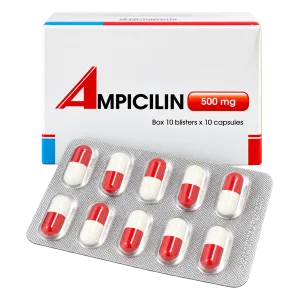
Ampicillin

Active ingredient: Ampicillin
250mg 500mg
From AED 318.40
pills
4 (3)

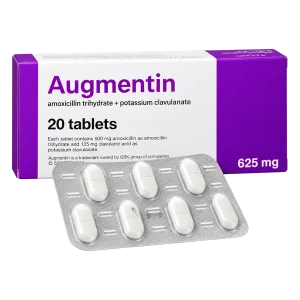
Augmentin

Active ingredient: Amoxicillin, Clavulanic acid
1000mg 375mg 625mg
From AED 425.86
pills
3.8 (3)

Bactrim

Active ingredient: Sulfamethoxazole, Trimethoprim
480mg 960mg
From AED 370.14
pills
4 (5)

Cefadroxil

Active ingredient: Cefadroxil
250mg 500mg
From AED 350.24
pills
4 (3)

Chloramphenicol

Active ingredient: Chloramphenicol
500mg
From AED 768.14
pills
4.2 (5)

Ciplox

Active ingredient: Ciprofloxacin
500mg 250mg
From AED 318.40
pills
4.2 (3)

Comparison table: Antibiotics

Erythromycin Formulations and Strength Context

Formulation Route and context Key caution
Erythromycin pills Oral treatment for selected bacterial infections Use only the prescribed number and schedule
Erythromycin lotion Topical treatment for selected skin conditions Do not apply to eyes or broken skin unless directed
Erythromycin ointment 1% 25g Topical ointment for a specified skin or eye-related indication Do not substitute it for oral pills

Oral Erythromycin Strength Context

Erythromycin 250mg is a recognised oral strength description, but the number of pills required depends on the prescribed strength, infection, age, kidney and liver status, and other clinical factors. Do not adjust the number of tablets because a previous course used a different schedule.

A topical percentage and an oral tablet strength describe different products. Neither can be converted into the other by counting tablets or measuring ointment.

Topical Lotion and Ointment Context

Erythromycin lotion and erythromycin ointment 1% 25g may be selected for specific local conditions. Their application area, frequency, and treatment duration depend on the formulation and diagnosis.

Topical treatment can still cause burning, dryness, redness, itching, or allergic reactions. Avoid sharing topical erythromycin, even when another person appears to have a similar skin problem.

Sources

  1. EMA (2024). Summary of Product Characteristics (SmPC) — erythromycin-containing medicine.
  2. WHO (2023). AWaRe Antibiotic Book.
  3. NICE (2015). Antimicrobial stewardship: systems and processes for effective antimicrobial medicine use.
  4. FDA (2020). Erythromycin prescribing information.

How Buyers Rate Erythromycin

4.4 Based on 4 reviews
Nadeem, 56 Dubai Marina
4 Nov 2026
Rating: 5 out of 5
I used Erythromycin for a bacterial chest infection and noticed that breathing and coughing became easier after the first few days. I finished the course as prescribed and was satisfied with the improvement.
Yousef, 38 Jumeirah
10 Nov 2026
Rating: 4.5 out of 5
The treatment helped with a painful dental infection. The swelling settled during the course, and I could eat normally again after several days. The schedule was easy to follow.
Khalid, 47 Al Barsha
15 Oct 2026
Rating: 5 out of 5
Erythromycin helped clear the bacterial skin infection I was treating. The redness reduced gradually rather than disappearing overnight, but the final result was good.
Saeed, 30 Bur Dubai
25 Oct 2026
Rating: 3 out of 5
I had some stomach cramps and loose stools while taking it, and the improvement was slower than I expected. The symptoms became manageable after the treatment was reviewed, but I would not start another course without checking the interaction list.
Get our free app Shop faster and track your orders 4.0 · 268 reviews Install