Skip to content
Rhinocort

Rhinocort

Active ingredient: Budesonide

Dosage
Package
Package

AED 405.96

AED 700.48 AED 811.92 Save 14%

AED 998.98 AED 1,217.88 Save 18%

AED 1,297.48 AED 1,623.84 Save 20%

AED 1,603.94 AED 2,029.80 Save 21%

AED 1,902.44 AED 2,435.76 Save 22%

AED 2,196.96 AED 2,841.72 Save 23%

AED 2,495.46 AED 3,247.68 Save 23%

AED 2,801.92 AED 3,653.64 Save 23%

AED 3,100.42 AED 4,059.60 Save 24%

AED 334.32

AED 871.62 AED 1,002.96 Save 13%

AED 1,516.38 AED 2,005.92 Save 24%

Free delivery on orders from AED 796.00, free express delivery from AED 1,194.00

Delivery: from 4 days

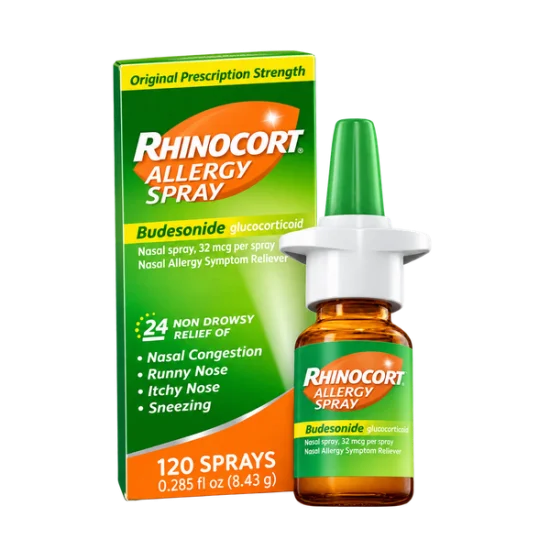
Rhinocort helps control allergic rhinitis and hay fever symptoms in the nose. Its active ingredient, budesonide, is a locally acting corticosteroid that reduces nasal inflammation. The nasal spray can relieve congestion, sneezing, runny nose and itching when used regularly as directed.

Product information

Rhinocort is a budesonide nasal spray for allergic rhinitis, including hay fever caused by pollen, dust mites or animal dander. It works inside the nasal passages, where allergic inflammation causes swelling, excess mucus and irritation.

How it affects the body

Budesonide is a corticosteroid. In Rhinocort, it acts mainly on the nasal lining to reduce the release of inflammatory substances involved in allergic reactions. This can ease congestion, sneezing, runny nose and an itchy nose when the symptoms are caused by allergic rhinitis.[1]

Nasal corticosteroids differ from anabolic steroids used to increase muscle mass. Budesonide is used for its anti-inflammatory action. Most of the intended activity occurs locally in the nose, although prolonged or excessive corticosteroid exposure can still require medical monitoring.

Regular use matters because the medicine controls inflammation rather than merely masking a blocked nose for a few hours.

Aim the nozzle slightly outward, toward the outer wall of the nostril, rather than directly at the septum. This technique can reduce irritation and nosebleeds.

Budesonide Local Corticosteroid Action

Budesonide enters the nasal lining and reduces inflammatory signalling. As swelling decreases, air can pass more freely through the nasal passages. Lower mucus production may also reduce a runny nose and post-nasal drainage.

The response varies between people. Severe or long-standing symptoms may take consistent treatment before they settle fully.

Symptom Pattern and Expected Relief

Rhinocort may help with:

  • Nasal congestion linked to allergy
  • Sneezing fits
  • Watery nasal discharge
  • Nasal itching
  • Inflammation triggered by seasonal or indoor allergens

A nasal corticosteroid does not provide the same rapid sensation as a decongestant. Its value comes from controlling the inflammatory process that keeps symptoms returning.

Ingredients

Rhinocort contains budesonide, a corticosteroid delivered as a metered nasal spray. The product presentation provides 120 sprays. A metered spray releases a controlled amount each time the pump is activated, helping maintain consistency between applications.

The appropriate amount varies according to the strength, age, symptom severity and treatment history. Use the prescribed directions for the specific Rhinocort presentation supplied to you rather than applying a universal regimen.

Active Ingredient and Dosage Form

  • Active ingredient: Budesonide
  • Drug class: Intranasal corticosteroid
  • Dosage form: Nasal spray
  • Pack presentation: 120 sprays

Rhinocort is administered into the nose, not swallowed or inhaled into the lungs as an asthma inhaler. The spray should remain directed into the nasal passage.

Metered Spray Count

The 120-spray presentation is designed for repeated administration according to the prescribed schedule. The number of sprays used each day depends on the individual regimen.

Do not increase the number of sprays because symptoms are severe. A higher amount can increase local irritation and corticosteroid exposure without producing faster relief.

Dosage and administration

Rhinocort Nasal Spray Technique and Dosing

Use Rhinocort at the prescribed dose and frequency. Dosing differs between strengths and between users, so there is no single amount that suits everyone.

  1. Gently clear the nose before use.
  2. Keep the head slightly forward rather than tipping it backward.
  3. If the device is new or has not been used for some time, prime it as directed for that presentation.
  4. Place the nozzle into one nostril while closing the other nostril gently.
  5. Aim toward the outer nasal wall.
  6. Activate the spray while breathing in gently through the nose.
  7. Repeat on the other side if prescribed.
  8. Wipe the nozzle after use and replace its protective cover.

Forceful sniffing can pull the spray into the throat and reduce contact with the nasal lining. Tilting the head backward can produce an unpleasant taste or throat irritation.

Missed Dose and Routine Use

If a dose is missed, take it when remembered unless the next scheduled dose is close. Do not double doses to compensate. Resume the normal schedule.

Using Rhinocort only when congestion becomes severe may give a less consistent result than using it as prescribed during the allergy period. The anti-inflammatory effect depends on regular administration.

A practical routine is to use the spray at the same time each day, such as after brushing the teeth. This reduces missed doses without changing the prescribed schedule.

Common Administration Mistakes

  • Aiming at the septum: This can irritate the sensitive tissue in the middle of the nose. Aim outward.
  • Sniffing forcefully: The medicine may run into the throat. Breathe in gently.
  • Using extra sprays after one difficult day: More medicine does not guarantee faster relief.
  • Stopping after one or two uses: Anti-inflammatory treatment may need repeated use.
  • Continuing through frequent nosebleeds: Recurrent bleeding needs clinical review.
  • Using a blocked nozzle: A blocked actuator can deliver an uneven spray. Clean it according to the product directions.

When not to use it

Rhinocort is not suitable for everyone. Rhinocort is not for you if you have a known allergy to budesonide, an untreated nasal infection or unexplained recurrent nosebleeds that have not been clinically reviewed. The product should be avoided or reviewed carefully in the following situations:

  • A known allergy to budesonide or an ingredient in the spray
  • An untreated local nasal infection
  • Recent nasal surgery or significant nasal injury
  • Recurrent or unexplained nosebleeds
  • Glaucoma or cataracts
  • Tuberculosis exposure or another serious respiratory infection
  • Current use of several corticosteroid products
  • A child or adolescent requiring prolonged treatment without appropriate monitoring

Children and Adolescents

Children should use Rhinocort only according to an age-appropriate regimen. Prolonged corticosteroid exposure can rarely affect growth, especially when several corticosteroid products are used together. Growth and treatment response may need monitoring during extended courses.

Do not transfer an adult’s dosing routine to a child. Age, strength and local product instructions can change the appropriate regimen.

Pregnancy and Breastfeeding

Budesonide has been used during pregnancy when treatment is clinically needed, with nasal administration generally producing lower systemic exposure than many oral corticosteroid regimens. The decision should account for symptom severity and other available treatments.[4]

Breastfeeding also requires an individual review, especially when the person uses additional corticosteroids. Do not stop an established treatment abruptly without discussing the change with the prescribing clinician.

Mention every corticosteroid product you use, including skin creams, inhalers, tablets and injections. The combined exposure is more relevant than the nasal spray alone.

When this is not for you

Rhinocort is not for you if you have a known allergy to budesonide, an untreated nasal infection or unexplained recurrent nosebleeds that have not been clinically reviewed. Recent nasal surgery, a significant nasal injury, glaucoma, cataracts, tuberculosis exposure or use of several corticosteroid products are reasons to speak with a clinician before using it.

Children should not use an adult’s dosing routine. Mention every corticosteroid product you use, including skin creams, inhalers, tablets and injections.

Possible side effects

The most common problems are local to the nose. They can include dryness, irritation, sneezing, sore throat and nosebleeds. These effects are more likely when the spray is aimed at the septum or used more often than prescribed.[2]

Common Local Effects

Possible effects include:

  • Dry or irritated nasal passages
  • Sneezing after administration
  • Mild sore throat
  • Unpleasant taste
  • Headache
  • Occasional nosebleed

Saline nasal rinsing may help dryness for some people, but it should be used in a way that does not wash Rhinocort out immediately after application. Frequent or heavy bleeding is not a minor nuisance; it requires assessment.

Do not place cotton buds or other objects deep into the nose. Mechanical irritation can worsen bleeding and delay healing.

Serious Warning Signs

Stop using Rhinocort and seek urgent medical help for breathing difficulty, swelling of the face, lips or tongue, or a rapidly developing widespread allergic reaction.

Prompt medical assessment is also needed for:

  • Repeated or heavy nosebleeds
  • Persistent sores or white patches inside the nose
  • Facial pain with fever
  • Blurred vision or other new visual symptoms
  • Poor healing after nasal injury or surgery
  • Severe worsening of nasal symptoms

Drug and Health History Review

Extra care may be needed with a history of recent nasal surgery, nasal injury, recurrent nosebleeds, nasal infection, tuberculosis exposure, glaucoma, cataracts or prolonged treatment with other corticosteroids.

Budesonide can interact clinically with medicines that strongly inhibit CYP3A4, such as ritonavir or cobicistat, because these medicines may increase corticosteroid exposure. Tell the prescriber about corticosteroid tablets, injections, inhalers, skin preparations and immune-modifying medicines before starting treatment.

Therapeutic indications

Rhinocort is a budesonide nasal spray for allergic rhinitis, including hay fever caused by pollen, dust mites or animal dander. It works inside the nasal passages, where allergic inflammation causes swelling, excess mucus and irritation.

The spray is intended for allergy-related symptoms rather than every cause of nasal blockage. A blocked nose caused by a bacterial infection, structural obstruction or another condition may need a different assessment.

Allergic Rhinitis Symptom Relief

Allergic rhinitis occurs when the immune system reacts to inhaled substances such as pollen or household allergens. Typical symptoms include:

  • Nasal congestion
  • Repeated sneezing
  • A watery or runny nose
  • An itchy nose
  • Reduced ability to breathe comfortably through the nose
  • Post-nasal drainage

Rhinocort can reduce the inflammatory response that produces these symptoms. It does not simply wash the nasal passages or provide temporary moisture.

Nasal Inflammation Target

Inflammation is the body’s response to irritation. In allergic rhinitis, it makes the nasal lining swollen and more sensitive, which narrows the airway and increases mucus production.

Rhinocort reduces this inflammation gradually. It may not produce the instant opening associated with some topical decongestant sprays.

Comparison

Rhinocort has an anti-inflammatory role. Other nasal sprays have different purposes, so the choice depends on whether the main problem is allergy inflammation, rapid short-term blockage or dryness.

Spray category Main role and limitation
Budesonide corticosteroid spray Controls allergic inflammation; relief builds with regular use and may include local irritation
Xylometazoline-type decongestant Opens the nose quickly; prolonged use can cause rebound congestion
Saline spray or rinse Cleanses and moisturises the nasal passages; does not replace anti-inflammatory treatment for moderate allergy symptoms

Topical decongestants can feel faster because they narrow swollen blood vessels. Their use beyond the recommended short period can cause the nose to become congested again when the effect wears off.[3]

Saline can remove mucus, pollen and irritants from the nasal passages. It may complement allergy care, though it does not suppress the immune inflammation treated by budesonide.

Selection Factors for Allergy Symptoms

Rhinocort is more relevant when congestion occurs with sneezing, itching and a watery discharge after allergen exposure. A decongestant may be considered for brief congestion, while saline is useful for cleansing and moisture.

Persistent obstruction on one side, recurrent bleeding, facial pain or uncertain symptom cause warrants medical assessment rather than repeated self-treatment.

Common mistakes

The most frequent error is treating Rhinocort like an instant decongestant. Its action depends on reducing inflammation, so inconsistent use can make the result appear weaker.

  • Using it only on the worst days: This may leave inflammation uncontrolled between doses.
  • Aiming toward the centre of the nose: This raises the risk of irritation and bleeding.
  • Sniffing hard after spraying: More medicine may reach the throat instead of staying on the nasal lining.
  • Doubling after a missed dose: This increases exposure without reliably restoring symptom control.
  • Stopping immediately after improvement: Symptoms may return if the allergy trigger remains present.
  • Ignoring repeated bleeding: Frequent bleeding can signal poor technique, mucosal injury or another nasal problem.
  • Sharing the spray: This can transfer infection between users.
  • Using a dirty or blocked nozzle: The delivered amount may become inconsistent.

One small detail makes a difference: gentle nose clearing is preferable to forceful blowing before administration. Force can irritate already inflamed tissue.

What doctors say

In clinical practice, the first points reviewed are the diagnosis, the spray technique and the treatment routine. A patient may believe Rhinocort has failed when the nozzle is aimed at the septum, doses are skipped or the spray is stopped as soon as the first improvement appears.

Budesonide reduces nasal inflammation; it does not remove every cause of congestion. Doctors also consider infection, nasal polyps, structural narrowing, medication-related rhinitis and excessive use of decongestant sprays when symptoms persist.

A sensible review includes:

  • The pattern of symptoms and likely allergen triggers
  • Whether both nostrils are affected
  • The direction of the spray
  • The number of missed doses
  • Nosebleeds, sores or visual symptoms
  • Other corticosteroids and interacting medicines
  • The response after regular use

Patients often need reassurance that a gradual response is expected. They also need a clear stopping point when bleeding, facial swelling or breathing symptoms appear.

Common questions

Which symptoms mean stopping Rhinocort and seeking urgent medical help?

Breathing difficulty or swelling of the face, lips or tongue can indicate a serious allergic reaction and requires urgent help. Severe or repeated nosebleeds, facial pain with fever, white nasal patches and new blurred vision need prompt medical assessment. The FDA budesonide nasal-spray information reviewed in 2022 also highlights the need to assess persistent nasal or eye problems rather than continuing automatically. Do not double the next dose after stopping. A clinician can also review the spray technique and assess other possible causes of the symptoms.

Do diet, exercise or daily habits affect the result?

Avoiding known triggers such as pollen, dust and animal dander can reduce the amount of inflammation that Rhinocort must control. Gentle nasal cleansing may remove irritants, while forceful nose blowing can worsen irritation and bleeding. NICE allergic rhinitis guidance available through 2023 supports reducing exposure to relevant environmental triggers as part of symptom management. Exercise is usually compatible with treatment, unless breathing symptoms suggest a separate respiratory problem.

How should Rhinocort be stored at home and while travelling?

Keep the spray at ordinary room temperature, protected from excessive heat, freezing conditions and direct sunlight. Keep the cap in place and avoid leaving the device in a hot vehicle, where heat can affect the pump and formulation. FDA storage instructions for budesonide nasal spray, reviewed in 2022, also advise keeping the device away from children. During travel, carry it in hand luggage when possible and do not transfer it into another container.

Which specific condition rules Rhinocort out?

A known allergy to budesonide is a clear reason not to use Rhinocort. Untreated nasal infection, recent nasal surgery, significant nasal injury or recurrent unexplained nosebleeds also require clinical review before treatment. The EMA budesonide product information available before 2026 describes these situations as relevant precautions for intranasal corticosteroid use. Glaucoma, cataracts and prolonged use of several corticosteroids may require additional monitoring.

Can alcohol be used while taking Rhinocort?

Alcohol does not usually create a direct interaction with intranasal budesonide, though it can worsen the sensation of nasal stuffiness or contribute to poor sleep in some people. Avoid alcohol if it clearly worsens your allergy symptoms or leads to missed doses. The FDA product information reviewed in 2022 does not identify alcohol as a routine direct interaction with budesonide nasal spray. Severe nasal symptoms after drinking should not be treated by increasing the spray dose.

How should the Rhinocort device be cleaned and handled?

Keep the nozzle clean and wipe it after use, using the cleaning method supplied for the specific presentation. Do not insert pins, needles or sharp objects into the actuator because this can damage the spray mechanism. NHS intranasal corticosteroid guidance reviewed in 2024 also stresses correct direction and gentle inhalation during administration. Never share the device with another person, even when both people have similar allergy symptoms.

How long does a Rhinocort course last, and is long-term use acceptable?

The course depends on whether symptoms are seasonal, persistent or linked to continuing indoor allergens. Some people use treatment during an allergy season, while others need longer supervision for persistent rhinitis. The FDA budesonide nasal-spray label reviewed in 2022 supports continued treatment when clinically appropriate, with attention to nasal effects, eye symptoms and total corticosteroid exposure. Long-term use should follow an individual plan rather than an automatic daily routine.

Do you offer anonymous delivery?

Your order will be securely packed and shipped within 24 hours. This is exactly what your package will look like (images of an actual item sent). It has the size and look of a regular private letter (24x11x0.7 cm) and its contents cannot be seen.

Comparison

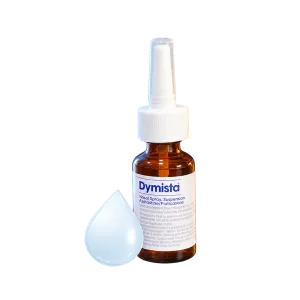
Dymista

Active ingredient: Azelastine, Fluticasone propionate
137mcg50mcg
From AED 473.62
sprayers
4.5 (3)

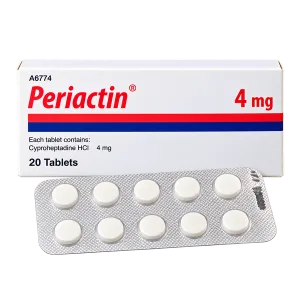
Periactin

Active ingredient: Cyproheptadine
4mg
From AED 310.44
pills
4.4 (5)

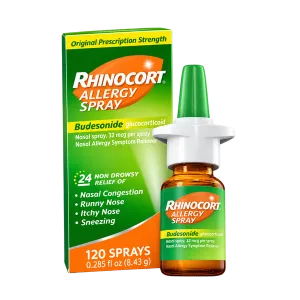
Rhinocort Current

Active ingredient: Budesonide
100mcg 200mcg
From AED 334.32
inhalers
4 (3)

Comparison table: Allergies

Sources

  1. U.S. Food and Drug Administration (2022). Budesonide nasal spray — official labeling.
  2. European Medicines Agency (2021). Summary of Product Characteristics (SmPC) — budesonide.
  3. Cochrane (2019). Intranasal corticosteroids for allergic rhinitis.
  4. European Medicines Agency (2020). Budesonide — product information.

How Buyers Rate Rhinocort

4 Based on 3 reviews
Zubair, 60 Al Ain
2 Nov 2026
Rating: 4.5 out of 5
I used Rhinocort during the dusty part of the year and noticed that sneezing and the watery runny nose settled after regular use. Breathing through my nose was easier, especially in the mornings, and I was satisfied with the result.
Faisal, 49 Ruwais
11 Nov 2026
Rating: 5 out of 5
Rhinocort helped with the congestion I usually developed around dust and outdoor exposure. I used it consistently and found that the constant nose rubbing stopped, which made work more comfortable. The improvement was clear enough for me to continue using it as directed.
Vikram R., 40 Al Khawaneej
15 Oct 2026
Rating: 2.5 out of 5
Rhinocort did not give me the quick relief I expected during a severe blocked-nose episode. I also developed irritation and stopped using it after the nosebleeds became frequent. A doctor later reviewed the symptoms because the cause was not as simple as seasonal allergy.
Get our free app Shop faster and track your orders 4.0 · 291 reviews Install