Ingredients
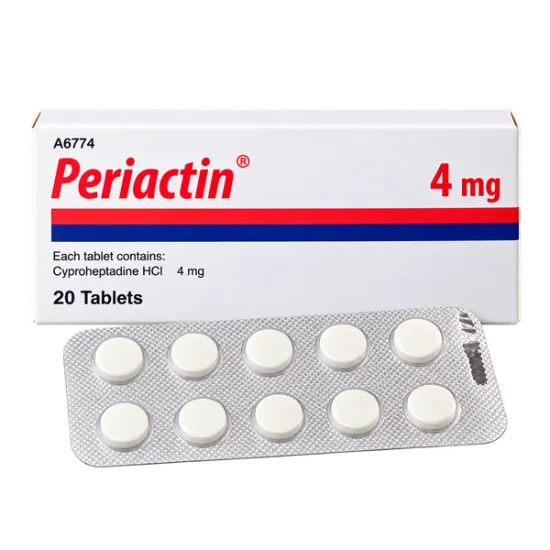
Periactin contains cyproheptadine hydrochloride, an antihistamine that blocks histamine activity. The presentation contains 20 tablets. The pack size describes the presentation, not the length of treatment.
| Pharmaceutical detail |
Periactin |
| Active ingredient |
Cyproheptadine hydrochloride |
| Strength and form |
Tablet |
| Pack presentation |
20 tablets |
Active ingredient and pharmacological class
Cyproheptadine is a first-generation antihistamine. It reduces the effects of histamine, a chemical involved in itching, sneezing, runny nose, skin redness and hives. The hydrochloride name identifies the salt form used in the tablet formulation.
Periactin is used under medical supervision because its antihistamine action can also affect alertness, coordination and other body systems. The FDA prescribing information describes cyproheptadine as an antihistamine with anticholinergic and sedating properties [1].
Tablet strength and pack presentation
Take Periactin exactly as prescribed. Do not share tablets with another person, even when both people have itching, poor appetite or similar allergy symptoms.
The 20-tablet presentation is not automatically a 20-day course. Treatment length depends on the reason for use, the prescribed frequency and the response to treatment.
Dosage and administration
How much Periactin to use and how often to take it depend on the purpose of treatment and are agreed with a doctor or pharmacist. Take the prescribed tablets by mouth with water, following the timing stated on the prescription label.
- Use only the prescribed frequency.
- Do not take extra tablets to increase appetite or speed allergy relief.
- Plan the first dose when driving, cycling, working at height or operating machinery is not required, if the prescriber’s instructions allow.
- Avoid changing the dose because of sleepiness, hunger or incomplete symptom relief.
- If a dose is missed, follow the missed-dose instruction provided with the prescription rather than doubling the next dose.
- Keep a record of other medicines, non-prescription products and supplements.
Administration and timing
Periactin may cause drowsiness after a dose. The effect can be more noticeable when treatment starts or when the dose changes. Avoid driving until you know how the tablets affect you.
Food does not replace the need for a prescribed schedule. Taking the tablet with water can make swallowing easier and helps prevent confusion between the tablet dose and liquid medicines containing cyproheptadine.
Missed doses and dose adjustments
Never take two doses together to compensate for a missed dose unless a prescriber has specifically instructed this. Extra cyproheptadine can increase sedation, dizziness, dry mouth, blurred vision and difficulty urinating.
Children need an age-appropriate regimen. An adult tablet should not be given to a child based only on body size.
Keep the dosing time consistent, especially when Periactin is being used for allergy symptoms. If sleepiness appears, record when it begins and how long it lasts; that detail helps the prescriber assess the regimen.
Therapeutic indications
Periactin may be used for allergic reactions, hay fever, rhinitis and urticaria. Urticaria is the medical term for hives. Facial swelling, throat tightness or breathing difficulty needs urgent medical attention rather than self-treatment with an antihistamine tablet.
Allergy symptom relief
The product information for cyproheptadine lists allergic conditions such as allergic rhinitis, vasomotor rhinitis and urticaria among its clinical uses [2]. Symptom relief is not guaranteed for every cause of rash or congestion. Persistent symptoms may reflect infection, medication reaction or another condition requiring assessment.
Appetite stimulation and weight changes
Cyproheptadine can increase appetite. A clinician may consider it for selected patients with poor appetite, but appetite stimulation is a separate clinical use from allergy treatment.
An increased desire to eat does not show that nutritional status has improved. Unexplained weight loss may result from gastrointestinal disease, endocrine disorders, infection, depression, medication effects or malabsorption. Using an appetite stimulant without investigating the cause can delay appropriate treatment and may lead to unwanted weight gain or sedation.
Comparison
The closest comparison is between cyproheptadine formulations and other approaches used for the same clinical goal. Tablet count alone does not establish equivalent dosing.
| Option |
Main role |
Main consideration |
| Periactin tablets |
Cyproheptadine antihistamine; selected appetite-stimulant use |
Sedation and anticholinergic effects |
| Another cyproheptadine formulation |
Same active substance in a different form or strength |
Substitution requires strength and formulation checks |
| Nutritional treatment plan |
Addresses inadequate intake and underlying causes |
Does not provide antihistamine action |
Cyproheptadine formulation comparison
A different cyproheptadine product may vary in strength, excipients, tablet size or approved use. Do not switch between tablets, liquids or other formulations by counting units. A pharmacist or prescriber should confirm the equivalent amount and schedule.
Appetite-stimulant suitability
An appetite stimulant does not correct malabsorption, untreated thyroid disease, infection, cancer, depression or other causes of weight loss. Nutritional assessment may include dietary intake, weight history, gastrointestinal symptoms and relevant medical investigations.
Periactin may be useful in selected cases, but sedation and unwanted weight gain limit its suitability for some people. Cosmetic weight gain is not a sufficient reason for unsupervised dose escalation.
What doctors say
In clinical practice, doctors balance allergy relief against drowsiness and anticholinergic burden. For appetite-related use, a rise in hunger should prompt monitoring rather than automatic dose escalation.
A prescriber will usually want to know whether the main goal is allergy control, itching relief or appetite support. These goals can require different treatment plans and different monitoring.
Practical monitoring points
Record changes in sleepiness, alertness, appetite, bowel habits, urination, vision and weight when these issues are clinically relevant. Report severe symptoms promptly. Note whether symptoms began after starting treatment or changing the dose. Bring this record to the prescriber or pharmacist. Regular review can help distinguish treatment effects from changes caused by the underlying condition.