Colchicine
Active ingredient: Colchicine
Delivery: from 4 days
- Worldwide Delivery4-7 business days
- Quality GuaranteedOnly original products
- Bonus pillsSave up to 80%
- 24/7 SupportOur team of pharmacists is available 24/7 to help you
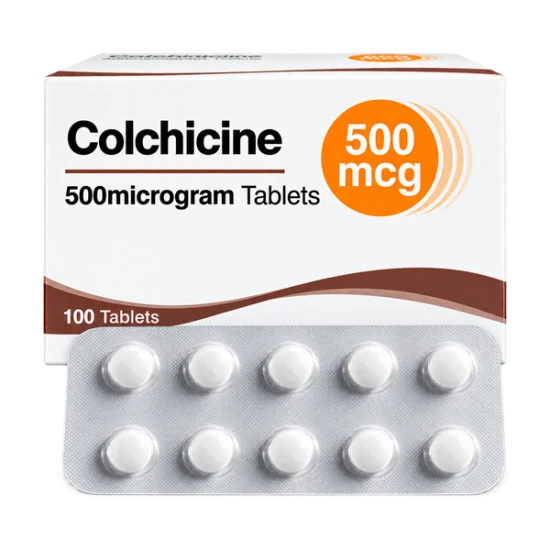
Adults with acute gout flares, recurrent gout attacks, or familial Mediterranean fever may be prescribed Colchicine to control inflammation. Each tablet contains 500 micrograms of colchicine, an anti-gout agent that reduces the inflammatory response triggered by urate crystals. It relieves inflammation but does not lower uric acid itself.
Product information
Colchicine is used for acute gout attacks and, in selected patients, to help prevent recurrent flares. It is also used under specialist supervision for familial Mediterranean fever, an inherited inflammatory condition. Colchicine originated from compounds found in Colchicum plants, yet the tablet is a precisely dosed pharmaceutical treatment rather than a herbal remedy.
How it affects the body
Colchicine acts inside white blood cells called neutrophils. It binds to tubulin, a protein used to build microtubules. Microtubules are tiny internal cell structures that help cells move, divide, and transport substances.
By disrupting microtubule function, colchicine reduces neutrophil migration into an inflamed joint and limits the release of inflammatory signals. Pain and swelling can ease as this reaction settles. It does not lower urate.
Ingredients
The regimen for the chosen strength is confirmed with a healthcare professional before starting.
Dosage and administration
- Dose: confirm the regimen for the chosen strength with a healthcare professional before starting, because acute gout, flare prevention, and familial Mediterranean fever require different approaches.
- Frequency: follow the prescribed schedule for the specific condition; do not take extra tablets or use another person’s regimen.
- Timing: for an acute gout flare, start treatment early when directed; prevention and familial Mediterranean fever use a planned regular regimen.
- Duration: continue for the period prescribed; familial Mediterranean fever treatment requires specialist supervision.
- Route: take the tablets orally and swallow them whole with water.
- Kidney function, liver function, age, body size, and other medicines can affect the suitable regimen.
- If a dose is missed, take the next scheduled dose at its usual time unless the prescriber has given different instructions. Do not double the next dose.
- Keep a current list of prescription medicines, antibiotics, antifungals, supplements, and grapefruit-containing products, and share it when a new treatment is started.
- Colchicine has a narrow safety margin. Toxicity can develop after excessive use, and the risk may rise with closely spaced tablets, dehydration from vomiting or diarrhoea, or impaired kidney clearance.
When not to use it
Colchicine is not for you if you have had a serious allergic reaction to colchicine, or if you have severe kidney or liver impairment together with a medicine that strongly blocks colchicine metabolism or transport. It may also be unsuitable for people with existing blood-cell disorders, serious neuromuscular disease, or a previous episode of colchicine toxicity.
Clarithromycin can sharply raise colchicine concentrations by inhibiting CYP3A4 and P-glycoprotein, two systems involved in colchicine clearance. Other important interacting medicines can include erythromycin, certain antifungals, ciclosporin, verapamil, diltiazem, HIV antivirals, and cimetidine.
When this is not for you
Older adults and people with reduced kidney or liver function need added caution because colchicine may accumulate. Never start an antibiotic without stating that you use colchicine. The prescriber may choose another treatment, alter the regimen, or temporarily interrupt colchicine where appropriate.
The European Alliance of Associations for Rheumatology advises low-dose colchicine approaches for gout flares and highlights the need to consider renal impairment and interacting medicines [4].
Possible side effects
Digestive symptoms are the most familiar adverse effects of colchicine. Nausea, abdominal discomfort, vomiting, and diarrhoea can occur, especially when exposure is too high for the individual. Diarrhoea deserves attention.
These symptoms may be temporary, yet severe or persistent diarrhoea and vomiting can signal excessive colchicine exposure. The FDA prescribing information identifies gastrointestinal effects as common and describes serious toxicity after overdose or harmful interactions [3].
Common gastrointestinal effects
Possible effects include:
- nausea or reduced appetite;
- stomach cramps;
- loose stools or diarrhoea;
- vomiting;
- abdominal pain.
Mild symptoms still deserve a prompt discussion with the prescriber when they persist. Dehydration can worsen kidney function and may increase colchicine exposure.
Serious colchicine toxicity
Urgent medical assessment is needed after a suspected overdose or when severe symptoms occur. Warning signs include persistent vomiting or diarrhoea, severe abdominal pain, faintness, unusual bleeding or bruising, fever or sore throat, muscle pain with weakness, numbness, dark urine, or markedly reduced urine output.
Serious toxicity can affect bone marrow, muscles, nerves, kidneys, liver, lungs, and the heart. Bone-marrow suppression means the body may produce too few blood cells, increasing infection and bleeding risks. Muscle toxicity may be more likely when colchicine is combined with a statin or other medicines that affect muscle tissue.

Therapeutic indications
Colchicine is used for acute gout attacks and, in selected patients, to help prevent recurrent flares. It is also used under specialist supervision for familial Mediterranean fever, an inherited inflammatory condition.
Clinical use depends on the diagnosis and an individual risk assessment. Colchicine may be prescribed for:
- acute gout flares;
- prevention of flares when urate-lowering treatment is being started;
- recurrent gout in people for whom prevention is appropriate;
- familial Mediterranean fever under long-term specialist care;
- selected inflammatory conditions where a specialist has determined that colchicine is suitable.
Familial Mediterranean fever needs consistent follow-up because the treatment goal includes preventing inflammatory complications, not only easing attacks. WHO includes colchicine on its Model List of Essential Medicines for relevant inflammatory indications [2].
The 2020 American College of Rheumatology guideline lists colchicine among first-line options for gout flare management when clinically appropriate [1].
Comparison
For acute gout, a clinician may choose colchicine, an NSAID, or a corticosteroid based on the timing of the flare, kidney function, ulcer history, cardiovascular risk, anticoagulant use, and interacting medicines.
| Treatment approach | Main role | Key limitation |
|---|---|---|
| Colchicine | Limits crystal-driven inflammation | Narrow safety margin and major interactions |
| Diclofenac or piroxicam | NSAID pain and inflammation control | Can affect stomach, kidneys, blood pressure, and cardiovascular risk |
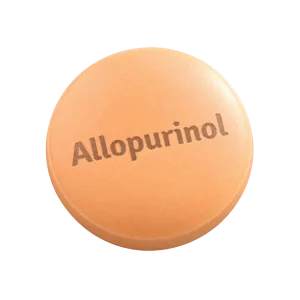
| Allopurinol | Lowers uric acid for long-term prevention | Does not provide rapid flare pain relief |
Diclofenac and piroxicam are NSAIDs. They may suit some people, yet they are not automatic additions to colchicine. Colchicine can avoid some NSAID-related gastrointestinal bleeding and fluid-retention concerns, while creating its own interaction burden and toxicity risk. A randomised trial found that lower-dose colchicine strategies reduced gastrointestinal adverse effects compared with higher-dose regimens for early acute gout flares [5].
Common mistakes
Common avoidable mistakes include taking extra tablets for persistent pain, restarting an old regimen after kidney function has changed, and forgetting to mention a newly prescribed antibiotic. Another frequent problem is assuming that a 500-microgram tablet can be repeated freely because the number appears small.
What doctors say
In clinical practice, doctors often focus first on timing, kidney function, and recent medicines rather than on the severity of pain alone. A flare treated early may respond better, though rapid escalation without supervision is unsafe. Physicians also review whether a patient has begun clarithromycin, an antifungal, or a cardiovascular medicine since the last gout episode. For recurrent flares, the long-term discussion usually turns to urate control, weight, alcohol pattern, kidney health, and adherence to urate-lowering therapy. Colchicine is useful when chosen carefully, but it is not a substitute for a long-term urate management plan.
Common questions
Can I drink alcohol while using Colchicine?
Alcohol can increase the chance of a gout flare and may aggravate stomach irritation, nausea, or dehydration during colchicine treatment. The American College of Rheumatology advised in its 2020 gout guideline that alcohol intake should be limited for people with gout, especially when flares are active. Avoid alcohol when vomiting, diarrhoea, or poor fluid intake is present, since dehydration can worsen colchicine exposure.
Which symptoms mean I should stop Colchicine and seek urgent medical care?
Stop further doses and seek urgent medical help for severe or persistent vomiting, diarrhoea, intense abdominal pain, faintness, unusual bruising, fever, sore throat, muscle weakness, numbness, dark urine, or reduced urination. The FDA’s 2009 prescribing information describes severe gastrointestinal symptoms, bone-marrow suppression, muscle toxicity, and organ injury as possible features of excessive colchicine exposure. These symptoms are more concerning when kidney disease, liver disease, or an interacting medicine is involved.
What should I discuss with a doctor before starting Colchicine?
Discuss the reason for treatment, previous gout attacks, kidney disease, liver disease, blood disorders, nerve or muscle symptoms, and every medicine taken recently. Include clarithromycin, cimetidine, antifungals, statins, ciclosporin, verapamil, and diltiazem. EULAR guidance published in 2016 identifies renal function and drug interactions as central factors in colchicine selection and dose planning.
What happens if I stop Colchicine, and does it need tapering?
Colchicine does not usually require tapering when it is used for a short gout-flare course. Stopping does not cause withdrawal symptoms, though the underlying inflammation may remain active or return if the flare has not settled. For long-term familial Mediterranean fever or flare-prevention treatment, the plan should be changed only with the prescribing clinician because the condition being controlled may recur. NICE guidance published in 2022 recommends reviewing gout treatment plans with a healthcare professional.
How long does a Colchicine course last, and is long-term use acceptable?
Course length depends on the indication, kidney and liver function, other medicines, and the prescribed regimen. Acute gout treatment is usually time-limited, while flare prevention and familial Mediterranean fever can require longer use with periodic clinical review. WHO’s 2023 Model List of Essential Medicines includes colchicine for defined indications, reflecting its established role when treatment is monitored appropriately.
Does Colchicine cause diarrhoea?
Yes. Diarrhoea is one of the best-known colchicine adverse effects and can occur with nausea, vomiting, or abdominal cramps. The FDA identifies gastrointestinal symptoms as common and also recognises severe diarrhoea or vomiting as potential warning signs of excessive exposure. Persistent diarrhoea should not be managed by taking more tablets or assuming that it is harmless.
Do you offer anonymous delivery?
Your order will be securely packed and shipped within 24 hours. This is exactly what your package will look like (images of an actual item sent). It has the size and look of a regular private letter (24x11x0.7 cm) and its contents cannot be seen.
Comparison
Sources
- American College of Rheumatology (2020). 2020 American College of Rheumatology Guideline for the Management of Gout.
- World Health Organization (2023). WHO Model List of Essential Medicines: 23rd List.
- U.S. Food and Drug Administration (2009). Colcrys (colchicine) Tablets: Prescribing Information.
- European Alliance of Associations for Rheumatology (2016). 2016 Updated EULAR Evidence-Based Recommendations for the Management of Gout.
- American College of Rheumatology (2010). High versus Low Dosing of Oral Colchicine for Early Acute Gout Flare.