Skip to content
Seroquel

Seroquel

Active ingredient: Quetiapine

Dosage
Package
Package
Package
Package
Package

AED 202.98

AED 282.58 AED 405.96 Save 30%

AED 318.40 AED 608.94 Save 48%

AED 441.78 AED 1,217.88 Save 64%

AED 600.98 AED 1,826.82 Save 67%

AED 760.18 AED 2,435.76 Save 69%

AED 998.98 AED 3,653.64 Save 73%

AED 1,273.60 AED 5,480.46 Save 77%

AED 1,592.00 AED 7,307.28 Save 78%

AED 238.80

AED 441.78 AED 477.60 Save 8%

AED 600.98 AED 716.40 Save 16%

AED 875.60 AED 1,432.80 Save 39%

AED 1,194.00 AED 2,149.20 Save 44%

AED 1,512.40 AED 2,865.60 Save 47%

AED 1,751.20 AED 4,298.40 Save 59%

AED 1,990.00 AED 6,447.60 Save 69%

AED 2,192.98 AED 8,596.80 Save 74%

AED 171.14

AED 238.80 AED 342.28 Save 30%

AED 314.42 AED 513.42 Save 39%

AED 378.10 AED 684.56 Save 45%

AED 493.52 AED 1,026.84 Save 52%

AED 664.66 AED 1,540.26 Save 57%

AED 839.78 AED 2,053.68 Save 59%

AED 282.58

AED 521.38 AED 565.16 Save 8%

AED 760.18 AED 847.74 Save 10%

AED 1,194.00 AED 1,695.48 Save 30%

AED 1,512.40 AED 2,543.22 Save 41%

AED 1,751.20 AED 3,390.96 Save 48%

AED 1,990.00 AED 5,086.44 Save 61%

AED 2,192.98 AED 7,629.66 Save 71%

AED 2,388.00 AED 10,172.88 Save 77%

AED 163.18

AED 202.98 AED 326.36 Save 38%

AED 242.78 AED 489.54 Save 50%

AED 282.58 AED 979.08 Save 71%

AED 362.18 AED 1,468.62 Save 75%

AED 441.78 AED 1,958.16 Save 77%

AED 600.98 AED 2,937.24 Save 80%

AED 760.18 AED 4,405.86 Save 83%

AED 959.18 AED 5,874.48 Save 84%

Free delivery on orders from AED 796.00, free express delivery from AED 1,194.00

Delivery: from 4 days

Schizophrenia and bipolar disorder can affect thinking, mood, perception, and daily functioning. Seroquel contains quetiapine, an atypical antipsychotic used for these conditions and, in selected treatment plans, alongside antidepressants for major depressive disorder. It changes dopamine and serotonin signalling in the brain.

Product information

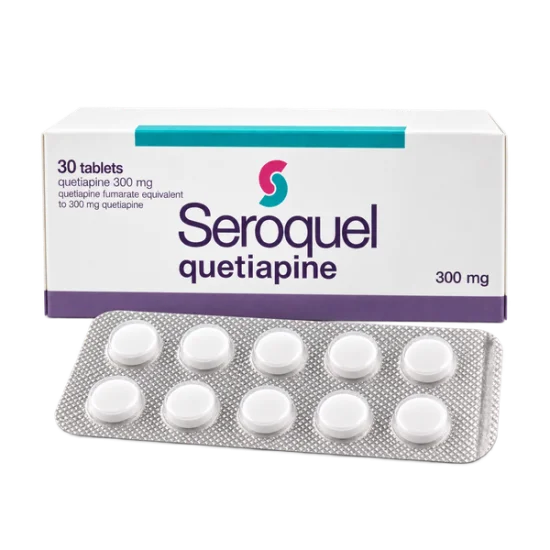
Seroquel contains quetiapine, which belongs to the atypical antipsychotic class. This class modifies communication between nerve cells by acting on neurotransmitter receptors. The available presentation contains quetiapine tablets with a 300 mg strength and 30 tablets per pack.

Active ingredient and drug class

Quetiapine is the active substance in Seroquel. It is used in the treatment of schizophrenia and bipolar disorder, with certain formulations and treatment plans also supporting major depressive disorder as an add-on to an antidepressant.

The medicine does not work like a simple sleeping tablet. Sleepiness can occur because quetiapine also affects receptor systems involved in alertness, blood pressure, and sedation. The strength of this effect varies between people and may be more noticeable after starting treatment or increasing the dose.

Dopamine and serotonin receptor activity

Quetiapine reduces or blocks activation at several receptors, including the serotonin 5-HT2 receptor, serotonin 5-HT1A receptor, and dopamine D1 receptor. These interactions are simplified models of a wider pharmacological effect. They help explain why quetiapine may influence hallucinations, delusions, mood instability, anxiety within a mood disorder, and depressive symptoms.

Sedation and dizziness can also result from quetiapine’s broader receptor activity. Receptor effects do not predict exactly how one person will respond. The FDA prescribing information describes quetiapine’s approved psychiatric uses, dosing principles, warnings, and adverse reactions [1].

How it affects the body

Quetiapine reduces or blocks activation at several receptors, including the serotonin 5-HT2 receptor, serotonin 5-HT1A receptor, and dopamine D1 receptor. These interactions are simplified models of a wider pharmacological effect. They help explain why quetiapine may influence hallucinations, delusions, mood instability, anxiety within a mood disorder, and depressive symptoms.

Sedation and dizziness can also result from quetiapine’s broader receptor activity. Receptor effects do not predict exactly how one person will respond.

Ingredients

Seroquel contains quetiapine, which belongs to the atypical antipsychotic class. This class modifies communication between nerve cells by acting on neurotransmitter receptors. The available presentation contains quetiapine tablets with a 300 mg strength and 30 tablets per pack.

An atypical antipsychotic is a medicine that changes signalling involving dopamine and serotonin. The aim is to reduce psychotic symptoms, stabilise mood, and support clearer thinking when prescribed for an appropriate diagnosis.

Active ingredient and drug class

Quetiapine is the active substance in Seroquel. It is used in the treatment of schizophrenia and bipolar disorder, with certain formulations and treatment plans also supporting major depressive disorder as an add-on to an antidepressant.

Dosage and administration

The correct regimen is condition-specific and must be confirmed with the healthcare professional before treatment begins. Quetiapine is usually introduced gradually, allowing the prescriber to assess sedation, blood pressure, symptom response, and tolerability.

Condition-specific dose titration

There is no single dose suitable for schizophrenia, bipolar disorder, and major depressive disorder. The starting regimen, dose increases, maintenance plan, and timing depend on the diagnosis, age, liver function, other medicines, and formulation.

Older adults may require a slower introduction because sedation and postural hypotension can increase fall risk. Liver disease can also affect quetiapine exposure and may lead to a more cautious titration plan.

Confirm the individual Seroquel schedule before the first dose. The 300 mg tablet presentation identifies the strength supplied on this product page; it does not determine the correct regimen for every diagnosis.

Immediate-release and extended-release scheduling

Immediate-release Seroquel and SEROQUEL XR both contain quetiapine, but they release the active substance differently. SEROQUEL XR is an extended-release tablet, so its administration instructions are not interchangeable with immediate-release treatment.

A formulation change can alter the timing of peak effects and sedation. Do not substitute SEROQUEL XR for immediate-release Seroquel, or the reverse, without confirmation from the prescriber or pharmacist.

Dose adjustment and discontinuation

Quetiapine should not usually be stopped abruptly. A planned reduction may be used to limit insomnia, nausea, dizziness, sweating, irritability, or return of psychiatric symptoms.

One common mistake is restarting the previous full dose after several missed days. The appropriate restart plan depends on the interruption length and the prescribed formulation, so contact the treating clinician before resuming after multiple missed doses.

Take Seroquel at the prescribed time and follow the food instructions for the specific formulation. Food instructions can differ.

Administration timing and food instructions

Some quetiapine regimens are taken with food, while SEROQUEL XR instructions may require administration without food or with only a light meal, depending on the approved product information. The food instruction attached to the prescribed formulation matters because food can change quetiapine exposure.

Taking the dose at the same time each day can make sedation and symptom response easier to assess. Alcohol and other sedating medicines may intensify drowsiness, dizziness, impaired coordination, or low blood pressure.

Avoid driving, cycling in traffic, or operating machinery until you know how Seroquel affects alertness. Morning grogginess can persist after a night-time dose, especially during early titration.

Extended-release tablet handling

An extended-release tablet must be swallowed whole. Do not crush, split, or chew it unless the prescribing information specifically allows that form of handling.

Damaging the release system may deliver quetiapine too quickly and increase sleepiness, dizziness, low blood pressure, or other adverse effects. This is a practical detail that is easy to miss when a tablet looks similar to an immediate-release product.

Missed dose and treatment interruption

Do not double the next dose after a missed tablet. Take the missed dose only according to the specific instructions provided for the prescribed regimen, considering how close it is to the next scheduled dose.

If several doses have been missed, do not assume that the former dose remains appropriate. Quetiapine treatment may need to be reintroduced gradually.

When not to use it

Seroquel is not suitable for someone with known hypersensitivity to quetiapine or any ingredient in the prescribed formulation.

Extra care is needed with diabetes, obesity, cardiovascular disease, low blood pressure, fainting, or a history of seizures. Quetiapine can affect appetite, weight, glucose, lipids, blood pressure, and heart rhythm in susceptible people.

Liver disease may alter drug exposure. Cataracts, sleep apnoea, and a history of falls also deserve attention during treatment planning.

When this is not for you

Stop and seek urgent medical help for swelling of the lips or throat, wheezing, widespread blistering rash, or difficulty breathing. These symptoms may signal a serious hypersensitivity reaction.

Tell the prescriber about previous reactions to quetiapine and all medicines used regularly or occasionally.

This medication is not for you if you have a known quetiapine hypersensitivity, or if a prescriber has identified a serious interaction or medical risk that makes treatment unsuitable. Conditions such as diabetes or heart disease do not automatically prohibit treatment, but they require a more deliberate monitoring plan.

Possible side effects

Quetiapine may cause sleepiness, dizziness, dry mouth, constipation, increased appetite, weight gain, and changes in glucose or lipids. These effects can affect daily activities and long-term health, so they should be discussed during follow-up rather than ignored.

Common tolerability effects

Somnolence means excessive sleepiness. It may be strongest after starting treatment or after a dose increase. Dizziness can be worse when standing quickly because quetiapine may lower blood pressure.

Other possible effects include:

  • Dry mouth
  • Constipation
  • Increased appetite
  • Weight gain
  • Headache
  • Fatigue
  • Fast heartbeat
  • Changes in blood glucose or cholesterol
  • Reduced concentration

Drink adequate fluids unless a clinician has restricted them. Fibre, movement, and a suitable bowel routine may help constipation, but persistent constipation, abdominal swelling, or vomiting needs prompt medical attention.

Stand up slowly from bed or a chair during the first days of treatment. Keep frequently used items within easy reach at night if dizziness or sedation makes walking uncertain.

Movement-related adverse effects

Extrapyramidal symptoms are drug-related movement problems. They can include stiffness, tremor, restlessness, slowed movement, muscle spasms, or unusual facial and tongue movements.

Tardive dyskinesia involves repetitive movements that may persist after long exposure. Report new or worsening involuntary movements promptly. Do not stop quetiapine abruptly in response unless urgent medical advice directs you to do so.

Urgent warning symptoms

Seek urgent medical help for:

  • Severe allergic symptoms such as facial swelling, wheezing, widespread rash, or breathing difficulty
  • Fainting or severe weakness
  • High fever with severe muscle stiffness, confusion, or sweating
  • New seizures
  • Severe palpitations or collapse
  • Uncontrolled movements
  • Suicidal thoughts or an abrupt dangerous change in mood

Neuroleptic malignant syndrome is rare but serious. It may involve fever, marked muscle rigidity, confusion, and unstable pulse or blood pressure. The WHO describes urgent assessment as necessary when severe medicine-related reactions affect consciousness, movement, breathing, or circulation [2].

Therapeutic indications

Seroquel is prescribed for specific psychiatric conditions. It is not a general-purpose treatment for occasional insomnia, everyday stress, or undiagnosed anxiety.

Schizophrenia symptom control

Quetiapine is used to manage schizophrenia symptoms such as hallucinations, delusions, disorganised thinking, and changes in motivation. Regular treatment may reduce symptom intensity and support more stable functioning, although improvement can occur at different speeds for different symptoms.

Bipolar disorder treatment

Seroquel may be prescribed for Bipolar I disorder and other bipolar treatment plans involving manic, depressive, or maintenance phases, depending on the formulation and local authorisation. Bipolar disorder treatment is individualised. A regimen used during mania may differ from one used for bipolar depression or long-term relapse prevention.

Adjunctive treatment with mood medicines

Adjunctive therapy means adding quetiapine to another prescribed treatment rather than replacing it automatically. When used with lithium, divalproex, or antidepressants, the prescriber considers the diagnosis, previous response, suicide risk, sedation, and metabolic health.

Comparison

Seroquel contains quetiapine, an atypical antipsychotic that acts on dopamine and serotonin signalling for specific psychiatric conditions, rather than being a general-purpose medicine for occasional insomnia or everyday stress.

Common mistakes

Several avoidable habits can make Seroquel harder to use safely:

  • Doubling the next dose after forgetting a tablet
  • Restarting the former full dose after several missed days
  • Crushing or chewing an extended-release tablet
  • Mixing the medicine with alcohol
  • Taking unreviewed sleeping tablets or sedating antihistamines
  • Driving before the level of sedation is clear
  • Stopping suddenly because sleepiness improves
  • Ignoring constipation or faintness
  • Failing to report new tremor, stiffness, restlessness, or involuntary movements
  • Assuming a 300 mg tablet is suitable for every diagnosis
Keep a simple record of dose time, sleepiness, dizziness, bowel changes, mood symptoms, and unusual movements during titration. Concrete observations help the prescriber adjust treatment more safely.

What doctors say

In clinical practice, doctors often assess symptom response and tolerability together. Less hallucination or mood instability matters, but excessive sedation, falls, weight change, glucose elevation, and new movements can alter the treatment plan.

Clinicians may monitor:

  • Psychiatric symptoms and functioning
  • Sleepiness and daytime alertness
  • Weight and appetite
  • Blood pressure and pulse
  • Glucose and lipid changes
  • Movement symptoms
  • Constipation
  • Adherence and missed doses
  • Alcohol and sedating medicine use

A treatment response can change after a dose adjustment. Early sleepiness does not prove that the underlying psychiatric condition has improved. Likewise, a delayed response does not automatically mean the medicine has failed.

NICE guidance recommends structured assessment and ongoing review in schizophrenia and bipolar disorder, including attention to physical health and treatment adherence [3].

Common questions

Does Seroquel cause sleepiness?

Yes. Somnolence is a recognised effect of quetiapine and may be stronger after starting treatment or increasing the dose. Avoid driving and alcohol until you know your response, and report severe daytime sedation or repeated falls. The FDA's 2023 prescribing information describes sedation, dizziness, and related warnings for Seroquel .

How soon can Seroquel’s effect become noticeable?

Sleepiness or dizziness may appear early, while improvement in psychotic or mood symptoms may take longer and varies by diagnosis. The full treatment response is assessed through symptom changes, functioning, and adverse effects rather than one early sensation. The 2014 NICE guidance supports regular review during antipsychotic treatment, including treatment response and physical health monitoring .

Which condition rules out Seroquel?

Known hypersensitivity to quetiapine or an ingredient in the formulation rules out treatment. Severe interactions, serious cardiac risk, uncontrolled metabolic disease, seizure risk, or advanced liver problems may also make treatment unsuitable or require a different plan. The 2023 EMA product information identifies hypersensitivity and formulation-specific precautions .

Can Seroquel be taken with food?

Food instructions depend on the formulation and prescribed schedule. Immediate-release Seroquel and SEROQUEL XR should not be assumed to have identical food instructions, because food can alter exposure to quetiapine. The 2023 FDA label provides formulation-specific administration guidance .

Which habits support or hinder treatment results?

Consistent dosing, regular sleep, adequate hydration, movement suited to your health, and attendance at monitoring appointments can support treatment. Alcohol, recreational substances, unreviewed sedatives, missed doses, and sudden stopping can hinder progress or increase adverse effects. The 2019 WHO guidance on medication safety supports reviewing substance use and clinically significant adverse reactions during treatment .

Do you offer anonymous delivery?

Your order will be securely packed and shipped within 24 hours. This is exactly what your package will look like (images of an actual item sent). It has the size and look of a regular private letter (24x11x0.7 cm) and its contents cannot be seen.

Comparison

Haldol

Active ingredient: Haloperidol
10mg 5mg
From AED 640.78
pills
4 (5)

Olanzapine

Active ingredient: Olanzapine
2.5mg 5mg 7.5mg
From AED 394.02
pills
4 (4)

Seroquel Current

Active ingredient: Quetiapine
100mg 200mg 25mg 300mg 50mg
From AED 163.18
pills
3.7 (5)

Comparison table: Antipsychotics

Seroquel and Seroquel XR formulation context

SEROQUEL XR contains quetiapine in an extended-release tablet. It may have different dosing instructions from immediate-release Seroquel, even though both formulations use the same active substance.

Formulation context Release pattern Administration point
Seroquel immediate-release Quetiapine released more rapidly Follow the prescribed schedule
SEROQUEL XR Extended release Swallow the tablet whole and follow its food instruction

Formulation substitution requires confirmation because the timing of absorption and sedation can change. The 300 mg presentation on this page should not be used to select a personal dose.

Sources

  1. U.S. Food and Drug Administration (2023). SEROQUEL (quetiapine fumarate) tablets: Prescribing Information.
  2. World Health Organization (2019). Medication Safety in Polypharmacy: Technical Report.
  3. National Institute for Health and Care Excellence (2014). Psychosis and schizophrenia in adults: prevention and management.

How Buyers Rate Seroquel

3.7 Based on 5 reviews
Adnan, 69 Deira
6 Nov 2026
Rating: 4.5 out of 5
I used Seroquel as prescribed for bipolar symptoms. After several weeks, my mood felt steadier and I was able to follow my usual evening routine again. The benefit became clearer gradually rather than after the first tablet.
Nadeem, 56 Dibba Al-Fujairah
12 Nov 2026
Rating: 3 out of 5
Seroquel helped reduce the racing thoughts, but I felt sleepy during the day at first. The tiredness became easier to manage after my treatment plan was reviewed. It helped, although the adjustment period was inconvenient.
Samir, 45 Kalba
15 Oct 2026
Rating: 1.5 out of 5
I did not notice enough improvement in my symptoms, and the drowsiness interfered with work. I stopped only after discussing it with my doctor, who reviewed other treatment options. It was not the right experience for me.
Rajesh, 42 Al Majaz
29 Oct 2026
Rating: 4.5 out of 5
The treatment helped me feel less overwhelmed by mood changes. I took it consistently and noticed a steadier pattern over time. I was satisfied with the improvement in everyday concentration.
Faisal G., 34 Fujairah
18 Oct 2026
Rating: 5 out of 5
Seroquel reduced the intensity of my symptoms and made it easier to keep a regular evening routine. I found that taking it at the same time helped me notice how it affected my alertness. The improvement was practical rather than immediate.
Get our free app Shop faster and track your orders 4.0 · 268 reviews Install