Haldol
Active ingredient: Haloperidol
Delivery: from 4 days
- Worldwide Delivery4-7 business days
- Quality GuaranteedOnly original products
- Bonus pillsSave up to 80%
- 24/7 SupportOur team of pharmacists is available 24/7 to help you
Haldol pills are taken by mouth at the prescribed time, with or without food unless the prescriber gives different instructions. They contain haloperidol, an antipsychotic used for conditions such as schizophrenia, acute psychosis, and severe motor or speech tics. By reducing excessive dopamine signalling, Haldol may lessen hallucinations, delusions, agitation, and tic activity.
Product information
Haldol contains haloperidol, a conventional first-generation antipsychotic. An antipsychotic is a medicine used to reduce symptoms such as hallucinations, delusions, severe agitation, or disordered thinking.
How it affects the body
Haloperidol mechanism of action
Haloperidol reduces dopamine activity by occupying D2 receptors. This can lessen the intensity or frequency of hallucinations and delusions and may reduce motor or speech tics in selected patients. Its weaker H1-antagonist activity can contribute to sedation in some people, although haloperidol is not primarily used as a sleep medicine.
The pharmacological action is targeted, but the effects are not limited to one brain pathway. Dopamine blockade can also influence movement, muscle tone, prolactin release, and restlessness. This explains why follow-up appointments may include questions about stiffness, tremor, involuntary movements, sleep, and inner agitation.
The FDA prescribing information describes haloperidol as a medicine requiring attention to neurological, cardiovascular, and general medical risks [1].
Ingredients
Haldol contains haloperidol, a conventional first-generation antipsychotic. Haloperidol mainly blocks dopamine D2 receptors in the brain. Dopamine is a chemical messenger involved in movement, motivation, perception, and thought; excessive signalling in certain pathways can contribute to psychotic symptoms and tics.
An antipsychotic is a medicine used to reduce symptoms such as hallucinations, delusions, severe agitation, or disordered thinking. Haldol does not permanently remove the underlying condition. Its role is symptom control within an individual treatment plan.
Dosage and administration
Haldol is supplied here as pills. The amount and frequency depend on the purpose of treatment and are agreed with a doctor or pharmacist. The prescriber may adjust treatment according to age, response, other illnesses, previous antipsychotic exposure, and the formulation being used.
- Take the prescribed amount at the prescribed times.
- Swallow the pill with water unless a clinician gives different instructions.
- Take it with or without food, keeping the routine consistent.
- Do not share Haldol with another person.
- Do not increase, reduce, or split the dose without specific instructions.
- If a dose is missed, follow the missed-dose instructions supplied for the prescribed regimen; do not automatically double the next dose.
Older adults may need closer observation because dizziness, low blood pressure, sedation, and movement disorders can have greater consequences. Liver disease, kidney disease, cardiovascular illness, epilepsy, and Parkinsonian disorders also affect treatment decisions.
Take Haldol exactly according to the prescribed schedule. The dose depends on the treatment purpose and is agreed with a doctor or pharmacist. Pills should not be shared, and treatment should not be altered because symptoms improve for a few days.
For a missed dose, the appropriate action depends on how late the dose is and when the next dose is due. Follow the specific missed-dose instruction for the regimen. Do not take two doses together unless a prescriber has explicitly instructed this.
Stopping suddenly may cause withdrawal symptoms, sleep disturbance, agitation, nausea, sweating, or a return of psychotic or tic symptoms. A gradual reduction may be appropriate, but the plan must be individualised. Restlessness is not always a reason to stop; it may be akathisia and may need a different clinical response.

When not to use it
Haldol is not for you if a clinician has identified a serious allergy to haloperidol or a relevant formulation component. It also requires specialist caution or avoidance in situations such as:
- Known QT prolongation or a serious ventricular rhythm disorder
- Previous unexplained fainting linked to a heart rhythm
- Significant low potassium or low magnesium
- Parkinson’s disease or related Parkinsonian disorders
- A history of severe reaction to antipsychotic treatment
- Severe central nervous system depression
- Medicines that create a clinically important interaction
Haloperidol may prolong the QT interval, an electrical measurement on an ECG. Combining it with other QT-prolonging medicines can raise the risk of an abnormal rhythm.
When this is not for you
Haldol is not suitable for everyone. The medicine requires careful review when a person has heart-rhythm disease, fainting episodes, electrolyte imbalance, liver disease, kidney disease, seizures, Parkinsonian disorders, or a history of serious movement disorders.
A complete medicine list should include prescribed drugs, over-the-counter products, and supplements because patients may not recognise which products affect cardiac rhythm. Liver disease can alter exposure to haloperidol and may lead to a need for closer monitoring. Kidney disease can increase vulnerability to dehydration, electrolyte imbalance, and adverse effects even though haloperidol is mainly processed by the liver. The EMA product information highlights the need to assess cardiac and neurological risk during treatment [2].
Urgent assessment is needed for fainting, chest pain, severe palpitations, high fever with rigidity, severe confusion, uncontrolled muscle spasms, or sudden difficulty swallowing or breathing.
Possible side effects
Haloperidol can cause nervous-system, cardiovascular, and gastrointestinal effects. The approved product information does not treat every listed reaction as equally common, so the intensity and persistence of symptoms matter.
Possible effects include:
- Dizziness or light-headedness
- Restlessness or akathisia
- Sleepiness or, in some people, insomnia
- Muscle stiffness, tremor, or slowed movement
- Nausea or vomiting
- Low blood pressure, especially when standing
- Fast heartbeat or awareness of the heartbeat
- Dry mouth or constipation
Dizziness and hypotension can increase the risk of falls. Standing slowly is sensible when light-headedness occurs, especially after sitting or lying down. Persistent vomiting can lead to dehydration and electrolyte changes, which may increase cardiovascular risk.
Contact the prescriber promptly for new stiffness, tremor, severe restlessness, repeated vomiting, persistent insomnia, or a fast heartbeat. Fainting, chest discomfort, severe palpitations, or serious breathing difficulty require urgent medical assessment.
Therapeutic indications
Haloperidol is used in the management of schizophrenia, acute psychosis, and selected tic disorders, including Tourette’s syndrome. Tourette’s syndrome can involve repeated motor tics, vocal or speech tics, or both. Haldol may reduce these symptoms when the treating clinician considers dopamine blockade appropriate.
| Clinical situation | Symptoms Haldol may target | Treatment aim |
|---|---|---|
| Schizophrenia | Hallucinations, delusions, disordered thinking | Reduce psychotic symptoms and support daily functioning |
| Acute psychosis | Severe agitation, hallucinations, loss of contact with reality | Restore behavioural and mental stability |
| Tourette’s syndrome | Motor tics and speech or vocal tics | Reduce troublesome tic activity |
A response varies with diagnosis, age, treatment history, other medicines, and physical health. Symptom improvement is different from a cure. Haldol is not intended for ordinary stress, occasional insomnia, or self-directed sedation.
Comparison
Haldol contains haloperidol, while other antipsychotic medicines contain different active ingredients. Comparisons are made by pharmacological profile, previous response, physical health, and adverse-effect risk. Doses are not directly interchangeable.
| Active ingredient | Broad profile | Monitoring considerations |
|---|---|---|
| Haloperidol | Strong dopamine D2 blockade; useful for psychosis, agitation, and selected tic disorders | Movement disorders, akathisia, QT prolongation, prolactin effects |
| Risperidone | Dopamine and serotonin receptor activity | Prolactin elevation, movement symptoms, weight and metabolic effects |
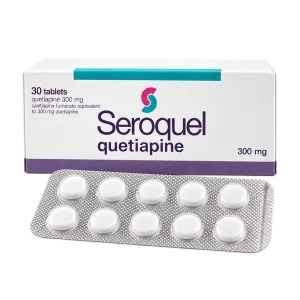
| Quetiapine | Dopamine and serotonin receptor activity with more sedating properties | Sleepiness, low blood pressure, weight and metabolic effects |
| Olanzapine | Dopamine and serotonin receptor activity | Weight gain, glucose and lipid changes, sedation |
A clinician may favour haloperidol when strong dopamine blockade is clinically needed or when previous response supports its use. Another antipsychotic may be considered when movement risk, sedation, prolactin effects, metabolic health, or prior tolerability weighs more heavily.
A 1 mg strength of risperidone is not equivalent to a Haldol dose. Switching requires a planned regimen, not a tablet-for-tablet substitution.
Common mistakes
The most frequent problems are practical rather than intentional. Patients may stop after feeling better, double a missed dose, or ignore a new facial movement because it seems minor.
- Stopping Haldol suddenly after symptoms improve can allow withdrawal symptoms or relapse.
- Doubling a missed dose can increase adverse effects without restoring stable treatment.
- Calling severe inner restlessness “anxiety” can delay treatment for akathisia.
- Ignoring tongue, mouth, facial, or finger movements can delay assessment for tardive dyskinesia.
- Mixing Haldol with other medicines without a review can create QT or sedation risks.
- Standing quickly after a dose can worsen dizziness and increase fall risk.
- Leaving out occasional medicines from the medication list can hide an interaction.
Doctors look for symptom response, new movement patterns, fainting, palpitations, sleep changes, and adherence. A short symptom diary is useful. It should record the symptom, approximate time, duration, and whether it affected walking, speaking, eating, or work.
What doctors say
Doctors usually assess four areas: the target symptoms, unwanted movement, cardiovascular symptoms, and day-to-day functioning. A patient who reports fewer hallucinations but cannot sit still still needs a treatment review. A patient who feels better may still need ongoing treatment because relapse risk can return when therapy is stopped abruptly.
The WHO guidance on psychosis care supports regular assessment of benefit, adverse effects, adherence, and social functioning during antipsychotic treatment [3]. Clinicians may also review an ECG, electrolyte results, liver function, kidney function, and the full medicine list when risk factors are present.
A useful clinical question is not simply “Does it work?” It is “Which symptoms improved, how much did they improve, and what adverse effects appeared?” That approach helps prevent unnecessary dose escalation.
Common questions
Which symptoms mean that Haldol should be stopped and urgent medical help sought?
Fainting, severe palpitations, chest discomfort, high fever with marked rigidity, severe confusion, uncontrolled spasms, or sudden difficulty breathing require urgent assessment. The FDA safety information for haloperidol, reviewed in 2024, identifies serious cardiovascular and neurological reactions as reasons for immediate medical attention [4]. Do not make a sudden treatment change for a less severe symptom without contacting the prescriber, because abrupt discontinuation can cause withdrawal symptoms or symptom relapse. The EMA product information also describes urgent neurological and cardiac warning signs. Prompt clinical review helps distinguish adverse reactions from returning symptoms.
How soon can Haldol’s effect become noticeable?
Acute agitation may lessen sooner than persistent delusions or hallucinations, while tic control may require repeated clinical assessment. NICE guidance on psychosis care, updated in 2014, recommends reviewing response and adverse effects rather than judging treatment from one early dose. The time course varies with the diagnosis, prescribed regimen, previous treatment, and physical health, so dose changes should not be made independently.
Can Haldol cause tardive dyskinesia?
Yes. Tardive dyskinesia can involve repeated movements of the tongue, mouth, face, trunk, or limbs after exposure to dopamine-blocking treatment. The American Psychiatric Association guideline published in 2020 describes tardive dyskinesia as potentially persistent and supports early recognition and specialist assessment. Report new chewing movements, tongue movements, lip-smacking, blinking, or finger movements promptly rather than waiting for them to become severe.
Can someone drive, concentrate, or operate machinery while taking Haldol?
Haldol can cause dizziness, sedation, blurred concentration, restlessness, or slowed movement, especially after treatment begins or after a dose change. The EMA product information available in 2023 advises caution with activities requiring alertness when these effects occur. Do not drive or operate machinery until the individual response is clear and the prescriber’s instructions permit those activities.
What should happen after a missed Haldol dose?
The correct action depends on the timing of the missed dose and the prescribed schedule. The FDA medication guidance for haloperidol, reviewed in 2024, supports avoiding an automatic double dose because this can increase adverse effects. Take the next dose according to the specific regimen unless a doctor or pharmacist gives different instructions, and seek prompt advice if more than one dose has been missed.
Do you offer anonymous delivery?
Your order will be securely packed and shipped within 24 hours. This is exactly what your package will look like (images of an actual item sent). It has the size and look of a regular private letter (24x11x0.7 cm) and its contents cannot be seen.
Comparison
Sources
- U.S. Food and Drug Administration (2024). Haldol (haloperidol) prescribing information
- European Medicines Agency (2023). Summary of Product Characteristics for haloperidol
- World Health Organization (2023). Mental Health Gap Action Programme intervention guide for mental, neurological and substance use disorders
- U.S. Food and Drug Administration (2024). Haloperidol medication safety information