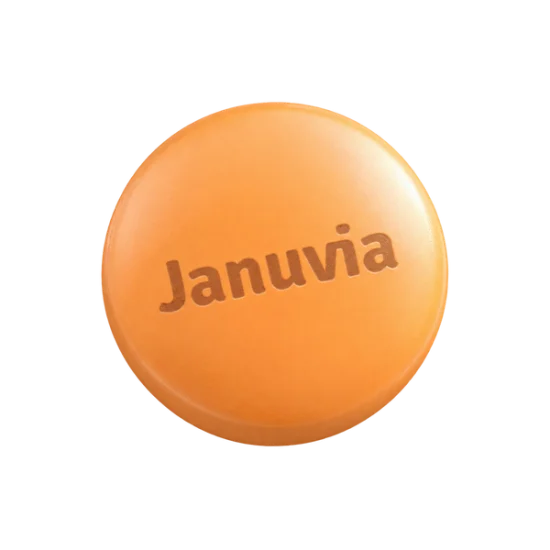
Januvia
Active ingredient: Sitagliptin
Delivery: from 4 days
- Worldwide Delivery4-7 business days
- Quality GuaranteedOnly original products
- Bonus pillsSave up to 80%
- 24/7 SupportOur team of pharmacists is available 24/7 to help you
Adults with type 2 diabetes may use Januvia alongside diet and physical activity to improve blood glucose control. It contains sitagliptin, an oral DPP-4 inhibitor that supports glucose-dependent insulin release and reduces glucagon activity.
Product information
Januvia contains sitagliptin, a prescription oral antidiabetic medicine for adults with type 2 diabetes mellitus. It belongs to the DPP-4 inhibitor class and is used with nutrition planning and physical activity to improve blood glucose control.
How it affects the body
Sitagliptin inhibits the DPP-4 enzyme, prolonging the activity of the incretin hormones GLP-1 and GIP. These hormones enhance glucose-dependent insulin release from pancreatic beta cells and reduce glucagon activity, helping regulate blood glucose. Because these effects depend on glucose levels, Januvia supports glucose control without continuously stimulating insulin release at the same intensity.
Ingredients
Januvia contains sitagliptin, a prescription oral antidiabetic medicine for adults with type 2 diabetes mellitus. It belongs to the DPP-4 inhibitor class and is used with nutrition planning and physical activity to improve blood glucose control.
Januvia is not insulin replacement therapy. It does not treat type 1 diabetes or diabetic ketoacidosis. Treatment decisions depend on the person’s glucose readings, kidney function, other medicines, and treatment goals.
Active Ingredient and Drug Class
Sitagliptin inhibits the enzyme dipeptidyl peptidase-4, usually shortened to DPP-4. This enzyme breaks down incretin hormones involved in glucose regulation. By slowing that breakdown, sitagliptin helps the body respond more appropriately when blood glucose rises.
DPP-4 inhibitors are designed to act in a glucose-dependent manner. Their effect on insulin release is stronger when glucose is elevated, which helps explain the lower hypoglycaemia risk seen with Januvia alone compared with some older glucose-lowering treatments. The risk changes when Januvia is combined with insulin or a sulfonylurea.
Treatment Setting for Type 2 Diabetes
Januvia may be prescribed alone when metformin is unsuitable, or alongside other diabetes treatments when one medicine does not provide enough control. It supports glucose management but does not replace diabetes-friendly meals, regular activity, home monitoring, or laboratory follow-up.
Dosage and administration
The amount per intake is selected individually rather than being one fixed number for every person. Januvia is generally taken orally once daily when prescribed for adults with type 2 diabetes. Reduced kidney function may require a lower prescribed amount, so renal assessment forms part of dose selection.
- Take the pill at the prescribed time each day.
- Swallow it as directed with water.
- It may be taken with or without food unless the prescriber gives different instructions.
- Do not change the dose because a glucose reading is higher or lower than expected.
- If a dose is missed, take it when remembered unless the next scheduled dose is near.
- Skip the missed dose when the next dose is near; do not take two doses together.
- Continue laboratory monitoring, including kidney-function assessment when requested.
The dosage options commonly discussed in clinical prescribing include the standard adult amount and reduced amounts for renal impairment. The correct choice depends on estimated kidney filtration and the product’s approved prescribing information, rather than body weight alone. The EMA product information explains renal dose assessment and administration requirements for sitagliptin [1].
Januvia is not a medicine for adjusting meal-by-meal glucose elevations without a treatment plan. Taking an extra tablet after a high reading can increase medication-related risk without correcting the underlying cause.
When not to use it
Januvia is not suitable for everyone. It is not indicated for type 1 diabetes or diabetic ketoacidosis, conditions that require different treatment. A person with a previous serious allergic reaction to sitagliptin or an ingredient in the tablet should not take it.
Kidney impairment is a central precaution because sitagliptin is cleared through the kidneys. A person with reduced renal function may require a lower prescribed amount. Dialysis, chronic kidney disease, dehydration, and an acute illness can all make dose review more important.
Januvia may be used with metformin, but the complete diabetes regimen still needs review. Sulfonylureas and insulin increase the risk of hypoglycaemia when combined with Januvia. Tell the prescriber about all diabetes medicines, recent kidney tests, previous pancreatitis, pregnancy or breastfeeding, and any history of severe allergy before treatment changes.
When this is not for you
This Medication Is Not for You If
- you have had a serious hypersensitivity reaction to sitagliptin;
- the intended treatment is type 1 diabetes or diabetic ketoacidosis;
- you have severe abdominal pain that may represent pancreatitis and have not received medical assessment;
- you plan to replace insulin or another prescribed diabetes treatment without medical direction;
- your kidney function has changed and the current dose has not been reviewed.
Possible side effects
Januvia is generally weight-neutral and does not usually cause weight gain by itself. Commonly reported effects can include headache, gastrointestinal symptoms, upper-respiratory symptoms, or symptoms related to the diabetes treatment combination.
Hypoglycaemia is less likely with Januvia alone than with insulin or sulfonylureas. The risk rises when one of those treatments is used at the same time. Warning signs include sweating, shakiness, hunger, dizziness, palpitations, confusion, and unusual weakness.
Seek urgent medical attention for:
- severe or persistent abdominal pain, especially if it spreads to the back, with or without vomiting;
- swelling of the face, lips, tongue, or throat;
- breathing difficulty or widespread hives;
- blistering or peeling skin;
- severe joint pain that begins during treatment;
- confusion, fainting, seizure, or inability to swallow during suspected hypoglycaemia.
Sitagliptin has been associated with pancreatitis, serious hypersensitivity reactions, severe joint pain, and bullous pemphigoid. These events are uncommon, but their symptoms require prompt assessment. The FDA safety information identifies these clinically significant warnings and adverse reactions [3].
One practical detail is easy to miss: low glucose may come from the combination rather than Januvia alone. If insulin or a sulfonylurea is added, the glucose plan may need tighter observation during the first days and after dose changes.

Therapeutic indications
Januvia is used to improve several measures of glucose control in adults with type 2 diabetes mellitus:
- HbA1c: reflects average blood glucose over the preceding weeks and helps assess long-term control.
- Fasting blood glucose: measures glucose after an overnight period without food.
- Postprandial blood glucose: measures glucose after eating and can reveal meal-related rises.
Januvia is an adjunct to diet and exercise. The expected response differs between patients. Baseline HbA1c, kidney function, adherence, meal patterns, physical activity, and combination therapy all influence the result.
A lower glucose reading on one day does not prove that treatment goals have been reached. Clinicians use repeated home readings, HbA1c testing, symptoms, and medication review before changing a diabetes plan.
Comparison
Januvia belongs to the DPP-4 inhibitor class and differs from other diabetes treatments in its route, mechanism, and risk profile.
| Treatment | Typical role and route | Main monitoring issue |
|---|---|---|
| Januvia | Oral DPP-4 inhibitor; used alone or in combination | Kidney-function review and glucose response |
| Metformin | Oral treatment often used as a foundational option | Gastrointestinal tolerance and kidney suitability |
| Insulin or sulfonylurea | Insulin is injectable; sulfonylureas are oral insulin secretagogues | Hypoglycaemia, with weight effects depending on treatment |
Januvia is not automatically better or worse than metformin, insulin, or a sulfonylurea. The preferred approach depends on cardiovascular disease, kidney status, body weight, HbA1c, hypoglycaemia risk, and treatment preferences.
Januvia may be combined with metformin, insulin, or a sulfonylurea. Combining treatments can improve glucose control, yet it may require a revised monitoring schedule and adjustment of the accompanying medicine.
Common mistakes
Januvia is taken orally on a regular schedule. The following mistakes can reduce treatment benefit or increase avoidable risk:
- taking an extra tablet after a high glucose reading;
- doubling the next dose after a missed tablet;
- stopping treatment because glucose improves;
- missing HbA1c or kidney-function testing;
- ignoring repeated low glucose readings while taking insulin or a sulfonylurea;
- assuming that the previous dose remains appropriate after kidney function changes;
- using Januvia as a substitute for planned meals, physical activity, or prescribed glucose monitoring.
Do not double doses. If the next dose is near, skip the missed dose rather than taking two close together. A single missed tablet usually calls for a return to the regular schedule, not a corrective dose.
Another common error is focusing only on fasting glucose. Postprandial readings can reveal meal-related problems that fasting measurements do not show. Bring both patterns to the treatment review.
Stopping Januvia does not usually require a taper in the way some medicines do, but stopping it can allow blood glucose to rise. A replacement plan may be needed, especially when Januvia is part of combination treatment.
What doctors say
Doctor Perspectives
In clinical practice, doctors often focus on the pattern behind an elevated HbA1c. A missed tablet, reduced activity, steroid treatment, infection, or worsening kidney function can each affect glucose control.
A prescriber will usually review the full treatment plan before concluding that Januvia has failed. The next step may involve adherence review, diet and activity assessment, kidney testing, or adjustment of another diabetes medicine.
Januvia is often attractive when a patient needs an oral option with a weight-neutral profile and a comparatively low hypoglycaemia risk when used alone. Its limitation is that it may not provide enough glucose lowering for every person, especially when diabetes has progressed or HbA1c is substantially above the individual target.
Common questions
Can Januvia be taken with insulin or sulfonylureas?
Januvia can be prescribed with insulin or a sulfonylurea when additional glucose control is needed. The combination raises hypoglycaemia risk more than Januvia alone, so glucose monitoring becomes more important. FDA prescribing information available in 2023 describes this interaction and the possibility of adjusting the accompanying treatment. Report sweating, shaking, confusion, or unusual weakness promptly because these can indicate low blood glucose. Follow the prescribed glucose-monitoring plan.
What is the best time of day to take Januvia?
Januvia is generally taken once daily at a consistent time, with or without food. The best time is the time that supports reliable adherence and matches the prescribed schedule. The EMA product information available in 2024 supports once-daily administration without requiring a specific meal-time dose. Avoid changing the timing repeatedly because it can make missed doses harder to recognise.
What happens if Januvia is stopped, and does it need tapering?
Stopping Januvia can allow blood glucose to rise because the sitagliptin effect is no longer present. A taper is not normally required, but the treatment plan may need an alternative or replacement medicine. WHO diabetes guidance published in 2023 supports planned review of glucose-lowering therapy rather than abrupt self-directed changes. Contact the prescriber promptly if you want to stop or if glucose readings rise after stopping.
Which condition rules Januvia out?
Januvia is not indicated for type 1 diabetes or diabetic ketoacidosis. Those conditions require different treatment and urgent clinical management. The FDA prescribing information dated 2023 limits Januvia’s indication to adults with type 2 diabetes and does not present it as insulin replacement. A serious previous allergy to sitagliptin is another reason not to use it.
What should you do after a missed Januvia dose?
Take the missed dose when remembered unless the next scheduled dose is near. If the next dose is near, skip the missed tablet and resume the normal schedule. The EMA product information available in 2024 advises against taking a double dose after a missed tablet. Do not use an extra dose to correct a high glucose reading.
What should you do if the expected glucose improvement does not occur?
Do not increase Januvia independently when glucose remains above the agreed target. Review adherence, meal patterns, activity, kidney function, and other diabetes medicines with the prescriber. The American Diabetes Association Standards of Care published in 2025 supports individualised treatment review using HbA1c and glucose data rather than symptoms alone. Severe abdominal pain, facial swelling, breathing difficulty, or serious low glucose symptoms require urgent medical attention.
Do you offer anonymous delivery?
Your order will be securely packed and shipped within 24 hours. This is exactly what your package will look like (images of an actual item sent). It has the size and look of a regular private letter (24x11x0.7 cm) and its contents cannot be seen.
Comparison
Januvia Effectiveness and Treatment Monitoring
Clinicians assess Januvia through HbA1c, fasting blood glucose, and postprandial blood glucose rather than symptoms alone. Some people feel no obvious change even when their readings improve. Others notice fewer high readings after meals before a later HbA1c result confirms the pattern.
Treatment review may include:
- medication-taking consistency;
- recent glucose records;
- meal composition and timing;
- physical activity;
- kidney-function results;
- symptoms of low or high blood glucose;
- the effect of metformin, insulin, sulfonylureas, or other medicines.
HbA1c is not an immediate daily test. It reflects a longer period of glucose exposure, so clinicians assess it at planned intervals rather than after every dose change. The American Diabetes Association Standards of Care describe individualised glycaemic targets and monitoring in adults with diabetes [2], consistent with NICE guidance.
Sources
- European Medicines Agency (2024). Januvia: Product Information.
- American Diabetes Association (2025). Standards of Care in Diabetes—2025.
- U.S. Food and Drug Administration (2023). JANUVIA Medication Guide.