
Skip to content
Actos

Actos

Active ingredient: Pioglitazone

Dosage
Package
Package
Package

AED 350.24

AED 457.70 AED 525.36 Save 13%

AED 569.14 AED 700.48 Save 19%

AED 788.04 AED 1,050.72 Save 25%

AED 1,010.92 AED 1,400.96 Save 28%

AED 1,456.68 AED 2,101.44 Save 31%

AED 394.02

AED 525.36 AED 591.03 Save 11%

AED 652.72 AED 788.04 Save 17%

AED 895.50 AED 1,182.06 Save 24%

AED 1,281.56 AED 1,773.09 Save 28%

AED 1,643.74 AED 2,364.12 Save 30%

AED 242.78

AED 386.06 AED 485.56 Save 20%

AED 517.40 AED 728.34 Save 29%

AED 628.84 AED 971.12 Save 35%

AED 839.78 AED 1,456.68 Save 42%

Free delivery on orders from AED 796.00, free express delivery from AED 1,194.00

Delivery: from 4 days

Pioglitazone, a thiazolidinedione, is the active ingredient in Actos for adults with type 2 diabetes. Actos improves insulin sensitivity in muscle, fat, and liver tissue when diet and exercise alone do not provide sufficient glucose control.

Product information

Actos contains pioglitazone hydrochloride, also called pioglitazone Hcl, and belongs to the thiazolidinedione, or TZD, class. It is supplied as oral tablets for adults with type 2 diabetes.

How it affects the body

Pioglitazone activates PPAR-gamma, a nuclear receptor that regulates gene expression involved in insulin sensitivity and glucose metabolism. This increases the responsiveness of muscle and adipose tissue to insulin and reduces glucose production by the liver. The resulting improvement in insulin action contributes to better longer-term glucose control, assessed in part with HbA1c [1].

Ingredients

Actos contains pioglitazone hydrochloride, also called pioglitazone Hcl, and belongs to the thiazolidinedione, or TZD, class. It is supplied as oral tablets for adults with type 2 diabetes. The treatment is used alongside an appropriate eating plan and physical activity; it is not intended to replace insulin in type 1 diabetes.

Pioglitazone is the generic name of the active substance. Thiazolidinediones act by improving the body’s response to insulin rather than forcing the pancreas to release more insulin. This distinction helps explain why Actos can lower glucose without commonly causing low blood sugar when used alone.

The prescribed strength is selected individually. Response, tolerability, liver status, swelling, heart function, and the rest of the diabetes regimen all affect the choice.

Take Actos at the same time each day. A fixed routine, such as taking the tablet with breakfast, can reduce missed doses even though the medicine may be taken with or without food.

Dosage and administration

The amount taken at each intake is set individually for each person rather than being one fixed amount for everyone. Actos is generally prescribed once daily, with or without food.

  • Swallow the tablet with water.
  • Take it at the same time each day.
  • Food is not required for absorption.
  • Do not take extra tablets after a missed dose.
  • If the next dose is near, skip the missed dose and resume the regular schedule.
  • If the missed dose is remembered earlier, follow the prescriber’s specific instructions.

The dose may be adjusted after reviewing fasting blood glucose, A1C, swelling, body weight, liver results, and symptoms of heart failure. Actos is not an emergency medicine for rapidly lowering glucose. Never change the dose independently.

If a dose is missed, do not “catch up” by taking two tablets together. Doubling can increase adverse effects without producing a safe correction in glucose control.

When not to use it

  • Symptomatic or significant congestive heart failure
  • Active liver disease or unexplained elevated liver enzymes
  • A history of serious reaction to pioglitazone
  • Unexplained blood in the urine or active bladder cancer concerns
  • High fracture risk or established osteoporosis
  • Diabetic eye disease or symptoms suggesting macular edema
  • Pregnancy or breastfeeding, where treatment selection requires individual assessment

When this is not for you

Actos is not suitable for everyone. It may not be for you if you have symptomatic heart failure, active liver disease, or unexplained blood in the urine; ask a clinician about alternatives.

Heart failure symptoms deserve special attention. Breathlessness at rest, rapidly increasing swelling, sudden weight gain, or difficulty lying down should be treated as warning signs rather than ordinary medicine effects.

People with liver disease need careful assessment before treatment. Unusual bone pain, a fall followed by persistent pain, blurred central vision, and urinary blood should be reported promptly.

Possible side effects

Weight gain and edema are among the side effects that deserve practical attention. A rapid increase over several days may reflect retained fluid rather than increased body fat. Swelling becomes more concerning when it appears with breathlessness, reduced exercise tolerance, or difficulty lying flat.

Other possible adverse effects include:

  • Headache or upper-respiratory symptoms
  • Weight gain
  • Ankle or leg swelling
  • Low blood sugar when combined with insulin or a sulfonylurea
  • Bone fractures, especially in people with increased fracture risk
  • Macular edema, which may affect vision
  • Liver injury, including rare liver failure

Urgent symptoms include confusion, sweating, shaking, or unusual drowsiness from possible hypoglycemia. Yellow skin, dark urine, severe nausea, or right-upper-abdominal discomfort can indicate liver injury. Blurred central vision or new visual distortion requires prompt eye assessment.

The FDA prescribing information identifies fluid retention, heart failure risk, fractures, macular edema, and liver-related concerns among the clinically significant risks of pioglitazone [2].

Therapeutic indications

Actos is used for type 2 diabetes when lifestyle measures do not provide adequate control. It may be prescribed alone or combined with other glucose-lowering treatments, including:

  • Metformin
  • Sulfonylureas such as glipizide
  • Insulin
  • Other clinician-selected diabetes medicines

Actos may help when insulin resistance is a major part of the glucose problem. The choice becomes more complicated when a person has swelling, heart failure, liver disease, osteoporosis, or a high risk of low blood sugar.

Comparison

Actos is one option within type 2 diabetes treatment. The most suitable class depends on A1C, kidney function, heart failure status, weight goals, fracture risk, tolerability, and the wider treatment plan.

Treatment or class Main action and trade-off
Actos, a TZD Improves insulin sensitivity; may cause weight gain, edema, and delayed glucose improvement
GLP-1 agonists Improves glucose control and often reduces appetite and weight; nausea and other gastrointestinal effects may occur
Sulfonylureas Stimulates insulin release; works quickly but can cause hypoglycemia and weight gain

Actos may suit a person whose central problem is insulin resistance and who can tolerate the possibility of weight gain or edema. Metformin is often used early in type 2 diabetes, though kidney and gastrointestinal factors influence suitability. SGLT2 inhibitors and GLP-1 agonists may offer advantages for selected heart, kidney, or weight-related needs, while DPP-4 inhibitors may be considered when a simpler weight-neutral option is preferred.

Common mistakes

Several mistakes can make treatment appear ineffective or allow an important warning sign to go unnoticed:

  • Expecting immediate glucose reduction after the first tablet
  • Doubling the next dose after forgetting one
  • Stopping Actos without a replacement diabetes plan
  • Ignoring rapid weight gain because it is assumed to be body fat
  • Treating swelling as hypoglycemia without checking glucose
  • Missing new breathlessness or difficulty lying flat
  • Continuing despite jaundice, dark urine, or severe fatigue
  • Delaying assessment of blurred central vision
  • Forgetting to mention insulin, glipizide, glyburide, or glimepiride during medication review
  • Measuring weight at random times and missing a consistent upward trend

Actos-related hypoglycemia is more likely when another medicine increases insulin availability. By contrast, edema may occur with normal or high glucose. The symptoms can overlap, so glucose testing and attention to swelling patterns are useful.

What doctors say

In clinical practice, doctors often view pioglitazone as a useful insulin-sensitising treatment with a delayed response and a distinctive fluid-retention profile. It can improve glucose control without directly replacing insulin, yet its suitability changes substantially when heart failure, edema, liver disease, or fracture risk is present.

A prescriber will usually consider the entire diabetes regimen rather than focusing on one glucose result. The practical questions include whether the person has swelling, whether insulin or a sulfonylurea is already being used, whether weight gain would be harmful, and whether A1C is improving over an appropriate interval.

Keep a short record of glucose readings, weight, swelling, and breathlessness before follow-up. Four or five concrete observations can be more useful than relying on memory during a medication review.

Common questions

How does Actos differ from metformin?

Actos, through pioglitazone, improves insulin sensitivity by activating PPAR-gamma pathways. Metformin mainly reduces glucose production by the liver and has a different pharmacological profile. Actos can cause weight gain and edema, while metformin more commonly causes gastrointestinal symptoms and is usually weight-neutral. The FDA prescribing information (2022) describes these differing safety considerations in its treatment guidance. Your clinician can use these differences when selecting therapy.

Which symptoms mean that Actos should be stopped and assessed urgently?

Rapid weight gain with swelling, breathlessness, or difficulty lying flat may indicate worsening congestive heart failure. Jaundice, dark urine, severe fatigue, or persistent nausea may signal liver injury. Confusion, sweating, shaking, or faintness can indicate hypoglycemia, especially when Actos is combined with insulin or a sulfonylurea. The FDA Medication Guide (2022) identifies these symptom groups as reasons for prompt medical attention .

What happens if Actos is stopped, and does it need tapering?

Actos does not usually cause a typical withdrawal syndrome, so tapering is not generally required for pharmacological reasons. Stopping it can remove its insulin-sensitising effect, allowing fasting glucose and A1C to rise again. A replacement plan may be needed, especially when Actos is part of combination treatment. The WHO diabetes treatment guidance (2020) supports reassessing glucose control when therapy changes .

What should happen if the expected glucose improvement does not occur?

The response should be assessed using a pattern of home glucose results and a follow-up A1C rather than one isolated reading. Persistent high readings may reflect dose selection, adherence problems, diet, infection, stress, progression of diabetes, or the need for another treatment class. Do not take extra tablets to force a faster result. EMA guidance (2018) supports reviewing treatment response and safety together when glucose goals are not reached .

Can people under 18 use Actos?

Actos is intended for adult type 2 diabetes treatment, and its safety and effectiveness have not been established for routine paediatric use. A child or adolescent with abnormal glucose needs assessment through an age-appropriate diabetes service. Adult dosing should not be transferred to someone under 18. The FDA label (2022) describes the approved clinical population and prescribing limitations for pioglitazone .

Do you offer anonymous delivery?

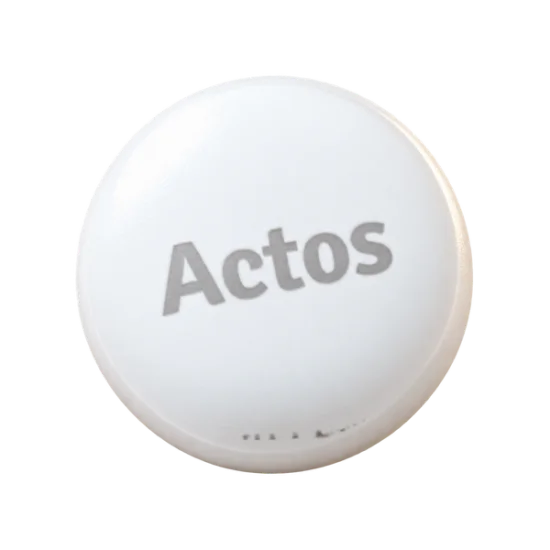
Your order will be securely packed and shipped within 24 hours. This is exactly what your package will look like (images of an actual item sent). It has the size and look of a regular private letter (24x11x0.7 cm) and its contents cannot be seen.

Comparison

Actos Current

Active ingredient: Pioglitazone
15mg 30mg 45mg
From AED 242.78
pills
4.2 (3)

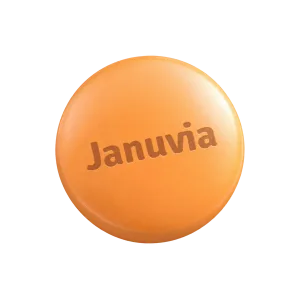
Januvia

Active ingredient: Sitagliptin
100mg
From AED 636.80
pills
4.1 (4)

Comparison table: Diabetes

Sources

  1. American Diabetes Association (2025). Standards of Care in Diabetes—2025: Glycemic Goals and Hypoglycemia
  2. U.S. Food and Drug Administration (2022). ACTOS (pioglitazone hydrochloride) Tablets, Prescribing Information

How Buyers Rate Actos

4.2 Based on 3 reviews
Khalid, 58 Jumeirah For several weeks
4 Nov 2026
Rating: 3 out of 5
I used Actos as part of my type 2 diabetes treatment for several weeks. My morning readings became steadier, but I noticed ankle swelling and gained weight faster than expected. I stopped treating the weight change as ordinary and discussed it with my doctor.

Aisha, 40 Al Reem Island For several weeks
10 Nov 2026
Rating: 4.5 out of 5
Actos helped bring my readings into a more predictable range after I had been struggling with morning glucose. I took the tablet with breakfast and found that the routine was easy to maintain. After several weeks, my follow-up results showed a clear improvement.
Nadeem, 61 Mirdif Over time
15 Oct 2026
Rating: 5 out of 5
I used Actos alongside my existing diabetes plan. The improvement was gradual rather than immediate, but my fasting readings became more consistent over time. Taking it at the same hour each day made it easy to remember.
Get our free app Shop faster and track your orders 4.0 · 268 reviews Install