Skip to content
Pariet

Pariet

Active ingredient: Rabeprazole

Package

AED 370.14

AED 465.66 AED 493.52 Save 6%

AED 664.66 AED 740.28 Save 10%

AED 955.20 AED 1,110.42 Save 14%

AED 1,241.76 AED 1,480.56 Save 16%

Free delivery on orders from AED 796.00, free express delivery from AED 1,194.00

Delivery: from 4 days

Pariet contains rabeprazole, a proton pump inhibitor for acid-related conditions such as reflux and stomach ulcers. It is prescribed for adults when reducing gastric acid can relieve symptoms or support tissue healing. Rabeprazole blocks the proton pump in gastric parietal cells, lowering new acid production.

Product information

Pariet contains rabeprazole sodium, which belongs to the proton pump inhibitor class. It reduces acid released by the stomach and is used in conditions involving reflux, ulceration, or excessive gastric acid secretion. The active ingredient and tablet form are described in European product information for rabeprazole [1].

Rabeprazole is not an antacid. Antacids neutralise acid already present in the stomach, while rabeprazole reduces the production of new acid over time.

Rabeprazole Sodium and Proton Pump Inhibition

Rabeprazole sodium is converted to its active form in the acidic environment of gastric parietal cells. It then inhibits the hydrogen-potassium ATPase enzyme system, also called the proton pump. This action reduces the final stage of hydrochloric acid secretion.

The prescribed strength depends on the diagnosis, treatment goal, age, liver function, other medicines, and the clinician’s regimen. A higher strength is not automatically better because treatment aims to control acid with the lowest suitable exposure.

Pariet Tablet Strengths

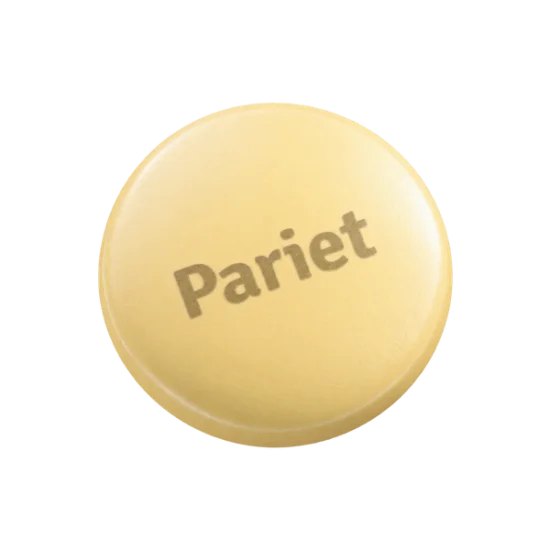
The coating has a purpose. It helps the tablet pass through the stomach before releasing rabeprazole in the intestine.

Swallow Pariet whole with water. Do not crush, split, or chew a gastro-resistant tablet because this can interfere with its intended release characteristics.

How it affects the body

Rabeprazole reaches the secretory part of gastric parietal cells, the cells responsible for producing stomach acid. There it binds to and suppresses the hydrogen-potassium ATPase enzyme system. This enzyme is commonly called the proton pump because it exchanges hydrogen ions for potassium ions during acid secretion. This effect reduces acid exposure after meals and between meals. Acid suppression can continue after the initial dose because the enzyme remains inhibited until new pumps are produced.

The mechanism is targeted at the last step of acid production. The result is less hydrochloric acid entering the stomach, which can reduce acid exposure in the oesophagus and support healing of irritated tissue. The pharmacological action of rabeprazole is described in regulatory prescribing information from the FDA [2].

Hydrogen-Potassium ATPase Enzyme System

The proton pump acts like the final outlet through which acid enters the stomach. Rabeprazole closes down this acid-secreting pathway rather than simply masking the sensation of heartburn.

Acid reduction is not always immediate. Existing acid remains in the stomach until it is cleared, and damaged tissue may need more time to heal.

Acid Reduction and Symptom Relief

Pariet can reduce the frequency and intensity of acid-related symptoms, including burning behind the breastbone and acid regurgitation. Symptom improvement may occur before inflammation or an ulcer has completely healed.

One practical detail is easy to miss: feeling better does not always mean that the prescribed course is complete. Stopping early can leave underlying inflammation or ulceration insufficiently treated.

Ingredients

Pariet contains rabeprazole sodium, which belongs to the proton pump inhibitor class. It reduces acid released by the stomach and is used in conditions involving reflux, ulceration, or excessive gastric acid secretion. The active ingredient and tablet form are described in European product information for rabeprazole [1].

Rabeprazole is not an antacid. Antacids neutralise acid already present in the stomach, while rabeprazole reduces the production of new acid over time.

Rabeprazole Sodium and Proton Pump Inhibition

Rabeprazole sodium is converted to its active form in the acidic environment of gastric parietal cells. It then inhibits the hydrogen-potassium ATPase enzyme system, also called the proton pump. This action reduces the final stage of hydrochloric acid secretion.

The prescribed strength depends on the diagnosis, treatment goal, age, liver function, other medicines, and the clinician’s regimen. A higher strength is not automatically better because treatment aims to control acid with the lowest suitable exposure.

Pariet Tablet Strengths

The coating has a purpose. It helps the tablet pass through the stomach before releasing rabeprazole in the intestine.

Swallow Pariet whole with water. Do not crush, split, or chew a gastro-resistant tablet because this can interfere with its intended release characteristics.

Dosage and administration

The dose and duration of Pariet depend on the treated condition, the selected strength, response to treatment, age, liver function, and the clinician’s instructions. The regimen for the chosen strength should be confirmed with a healthcare professional before starting.

  • Take the tablet by mouth with water.
  • Swallow it whole.
  • Take it at the prescribed time each day.
  • Do not crush or chew it.
  • Do not take extra tablets to compensate for a missed dose.
  • If a dose is missed, take it when remembered unless the next dose is near; then skip the missed dose and resume the usual schedule.
  • Complete the prescribed course unless the prescriber changes it.

Gastro-Resistant Tablet Administration

The gastro-resistant design protects rabeprazole from being released too early in the acidic stomach environment. Breaking the tablet can reduce the benefit of that design.

The tablet must remain intact.

Food instructions can vary by indication and regimen. Follow the timing specified for the prescribed treatment rather than moving every dose to a convenient meal.

Missed Doses and Treatment Duration

A missed dose does not usually require doubling the next dose. Two doses close together may increase the chance of unwanted effects without restoring treatment benefit.

Treatment may last for a short course, a longer healing period, or an ongoing maintenance phase. Long-term use should be reviewed periodically, especially when symptoms have changed or the original diagnosis is uncertain.

Keep the dosing time consistent. If morning administration is prescribed, taking the tablet at the same time each morning makes missed doses easier to identify.

When not to use it

Pariet is not suitable for everyone. This medication is not for you if you have had a serious allergic reaction to rabeprazole, another proton pump inhibitor, or an ingredient in the prescribed formulation.

Medical Conditions Requiring Review

Medical review is needed before treatment if you have:

  • Significant liver disease.
  • Previous low magnesium or vitamin B12.
  • Osteoporosis or a high risk of fractures.
  • A history of severe allergic reactions to acid-suppressing medicines.
  • Persistent swallowing difficulty.
  • Gastrointestinal bleeding, black stools, or unexplained anaemia.
  • Unexplained weight loss or repeated vomiting.
  • Pregnancy or breastfeeding.

Medicine and Supplement Interactions

Rabeprazole can affect the absorption or clinical handling of some medicines. The medication list should include prescription medicines, non-prescription products, vitamins, and supplements.

Clinically relevant examples include:

  • Medicines whose absorption depends on stomach acidity.
  • Selected HIV treatments.
  • Warfarin, which may require closer monitoring when treatment changes.
  • Digoxin, especially when electrolyte disturbances are possible.
  • High-dose methotrexate, where proton pump inhibitor use may require a planned adjustment.
  • Other acid-suppressing medicines or products that alter gastrointestinal absorption.

The FDA, EMA, and MHRA product information sources describe interaction precautions for rabeprazole, including medicines affected by gastric acidity [5]. Do not add a new medicine during a Pariet course without checking its compatibility with the full regimen.

When this is not for you

Pariet is not suitable for everyone. This medication is not for you if you have had a serious allergic reaction to rabeprazole, another proton pump inhibitor, or an ingredient in the prescribed formulation.

Pregnancy and breastfeeding require an individual benefit–risk assessment. The prescriber should know about these circumstances before selecting a regimen.

Possible side effects

Rabeprazole is tolerated by many patients, but unwanted effects can occur. The approved Pariet information and rabeprazole safety data list headache, diarrhoea, nausea, abdominal discomfort, constipation, dizziness, and flatulence among possible reactions [4].

Common Digestive and Neurological Effects

Common or less serious effects may include:

  • Headache.
  • Nausea.
  • Diarrhoea or constipation.
  • Abdominal pain or discomfort.
  • Flatulence.
  • Dizziness.
  • Tiredness.

A mild symptom that passes may only require observation. Persistent diarrhoea, worsening abdominal pain, repeated vomiting, or symptoms that interfere with normal activity need clinical review rather than repeated self-treatment.

One useful distinction: diarrhoea that is severe, persistent, or watery can signal an intestinal infection, especially after prolonged acid suppression. Do not treat it as an ordinary stomach upset if it continues.

Serious Reactions and Long-Term Risks

Urgent medical attention is needed for facial, lip, tongue, or throat swelling; breathing difficulty; widespread blistering or peeling skin; fainting; severe weakness; vomiting blood; black stools; or severe, persistent watery diarrhoea.

Repeated or prolonged proton pump inhibitor treatment can be associated with low magnesium, vitamin B12 deficiency, bone fractures in susceptible people, and certain gastrointestinal infections. These risks do not mean that prescribed treatment should be stopped abruptly. They support periodic review and targeted testing when symptoms or risk factors make it appropriate.

Tell the prescriber about new muscle cramps, tremor, unusual weakness, persistent fatigue, or tingling during prolonged treatment. These symptoms can justify checking magnesium or vitamin B12 rather than simply increasing the acid medicine.

Therapeutic indications

Pariet is used for diagnosed acid-related conditions. Its clinical role may include:

  • Gastro-oesophageal reflux disease and reflux symptoms.
  • Healing and maintenance treatment for reflux-related oesophageal irritation.
  • Gastric and duodenal ulcer treatment.
  • Acid-related ulcer prevention in selected clinical situations.
  • Treatment regimens for Helicobacter pylori infection alongside prescribed antibiotics.
  • Excessive acid secretion, including rare disorders such as Zollinger–Ellison syndrome.

NICE guidance on gastro-oesophageal reflux and dyspepsia supports structured assessment when symptoms persist, recur, or include warning features [3]. Pariet can control acid exposure, but it does not treat every cause of abdominal pain, nausea, bloating, or indigestion.

Reflux Disease and Heartburn Control

Reflux occurs when stomach contents move upwards into the oesophagus. Repeated acid exposure may irritate the oesophageal lining and cause heartburn, sour regurgitation, chest discomfort, cough, or hoarseness.

Persistent symptoms need medical assessment, especially when accompanied by difficulty swallowing, painful swallowing, vomiting blood, black stools, anaemia, repeated vomiting, or unexplained weight loss. These features should not be covered up with repeated self-treatment.

Peptic Ulcer Healing and Acid-Related Conditions

Peptic ulcers affect the lining of the stomach or duodenum. Rabeprazole supports healing by reducing acid exposure, while treatment may also need to address H. pylori infection or medicines such as non-steroidal anti-inflammatory drugs.

For H. pylori, rabeprazole is used as part of a combination regimen with antibiotics. The antibiotic schedule must be completed exactly as prescribed because rabeprazole alone does not eradicate the infection.

Comparison

Pariet belongs to the proton pump inhibitor group. Other acid-control approaches work differently and have different clinical roles.

Option Main action and role Main limitation
Pariet and other proton pump inhibitors Suppress the final stage of gastric acid production; used for reflux healing and ulcer treatment Benefit may take time, and long-term use needs periodic review
H2-receptor antagonists Block histamine-driven acid secretion; may help selected reflux or night-time symptoms Acid suppression can be less sustained, and tolerance may develop
Antacids and alginates Neutralise acid or form a protective barrier for more immediate relief Shorter action; they do not heal every underlying acid-related condition

Switching between acid-suppression classes should be clinician-led when symptoms persist, recur quickly, or require prolonged treatment. Antacids may have a different timing relationship with other medicines, so routine combination should not be assumed.

Pariet reduces new acid production. An antacid acts on acid already present. That difference explains why the two approaches are not interchangeable.

Common mistakes

A common mistake is taking Pariet only when heartburn becomes severe, even when the regimen was prescribed regularly. Proton pump inhibitors work best when used according to the planned schedule, not as a quick rescue tablet after every meal.

Another mistake is chewing a gastro-resistant tablet. The coating controls where the tablet releases. Removing that protection can reduce the intended treatment performance.

Common administration errors include:

  • Taking doses irregularly.
  • Doubling after a missed dose.
  • Stopping immediately after the first symptom-free day.
  • Extending treatment for months without review.
  • Using Pariet to mask bleeding, swallowing difficulty, or unexplained weight loss.
  • Assuming that every abdominal symptom is caused by acid.
  • Forgetting to mention warfarin, digoxin, methotrexate, HIV treatment, or supplements.
Keep a short symptom record during treatment: reflux episodes, night waking, swallowing difficulty, bowel changes, and missed doses. This gives the prescriber useful information when deciding whether the regimen is working.

What doctors say

In clinical practice, prescribers balance symptom control against unnecessary long-term acid suppression. They consider the diagnosis, response, relapse pattern, other medicines, and the lowest dose that controls the condition.

Common questions

Can people under 18 use Pariet?

Pariet use in people under 18 depends on the diagnosis, age, formulation, and local prescribing information. The EMA rabeprazole product information available in 2024 describes age-related indications and restrictions that differ by condition. A paediatric regimen should be selected by a clinician, not calculated from an adult tablet schedule.

What is the best time of day to take Pariet?

The best time depends on the indication and prescribed regimen. NICE guidance issued in 2019 supports planned acid-suppression treatment for reflux and dyspepsia, while the Pariet regimen determines the exact timing. Taking it at the same time each day helps maintain consistency, but do not move the dose from the prescribed schedule without checking.

Does Pariet cause diarrhoea?

Diarrhoea is a recognised possible adverse effect of rabeprazole. The FDA prescribing information updated in 2023 distinguishes routine gastrointestinal adverse effects from severe or persistent diarrhoea that needs medical assessment. Watery diarrhoea, fever, blood, dehydration, or symptoms that continue require prompt clinical attention.

How long does a Pariet course last, and is long-term use acceptable?

Course length depends on reflux severity, ulcer healing, H. pylori treatment, relapse risk, and the response to therapy. The EMA product information available in 2024 supports condition-specific dosing periods rather than one universal course length. Long-term use can be appropriate for selected patients, but it should include periodic review of the continuing indication and relevant risks.

How soon does Pariet start to work?

Some people notice reduced heartburn within the first days, while complete control or tissue healing may take longer. NHS clinical information reviewed in 2023 describes proton pump inhibitors as medicines whose benefit develops through ongoing acid suppression rather than instant neutralisation. Persistent symptoms, worsening pain, or alarm features need reassessment instead of unsupervised dose escalation.

Can Pariet be taken with food or on an empty stomach?

Food instructions depend on the condition and regimen. The EMA Pariet product information available in 2024 gives indication-specific administration guidance, so the prescribed timing takes priority over a general meal rule. Swallow the tablet whole with water and avoid changing its timing if treatment was prescribed for a structured course.

Do you offer anonymous delivery?

Your order will be securely packed and shipped within 24 hours. This is exactly what your package will look like (images of an actual item sent). It has the size and look of a regular private letter (24x11x0.7 cm) and its contents cannot be seen.

Sources

  1. European Medicines Agency (2024). Summary of Product Characteristics (SmPC) — rabeprazole sodium
  2. U.S. Food and Drug Administration (2023). AcipHex (rabeprazole sodium) Prescribing Information
  3. National Institute for Health and Care Excellence (2019). Gastro-oesophageal reflux disease and dyspepsia in adults: investigation and management
  4. EMA (2024). Summary of Product Characteristics (SmPC) — rabeprazole sodium
  5. FDA (2023). AcipHex (rabeprazole sodium) Prescribing Information

How Buyers Rate Pariet

4 Based on 5 reviews
Tariq, 47 Fujairah 4 weeks
15 Oct 2026
Rating: 3.5 out of 5
I used Pariet for reflux that had been disturbing my sleep. The burning settled after several days, although I noticed mild bloating at first. It helped, but the improvement was slower than I expected.
James, 48 Dubai 4 weeks
25 Oct 2026
Rating: 3 out of 5
Pariet reduced the sour taste and chest burning during my treatment course. I still had occasional symptoms after heavy meals, and I needed a review rather than simply taking more tablets. The partial improvement was useful.
Hamza, 52 Jumeirah 4 weeks
30 Oct 2026
Rating: 4 out of 5
After starting Pariet, my morning throat irritation and heartburn became much less frequent. By the end of the course I could sleep without waking from reflux. The tablets were straightforward to take.
Adnan, 49 Al Nahda 4 weeks
9 Nov 2026
Rating: 4.5 out of 5
Pariet gave me clear relief from frequent acid symptoms. I noticed the difference during the first part of treatment and felt satisfied with the result. Swallowing the tablet whole was easy.
Nadeem, 44 Dubai Marina 4 weeks
13 Nov 2026
Rating: 5 out of 5
I used Pariet for recurring reflux and found that the burning settled properly rather than only for a short period. My meals became easier to manage, and I was pleased with the improvement.
Get our free app Shop faster and track your orders 4.0 · 268 reviews Install