Skip to content
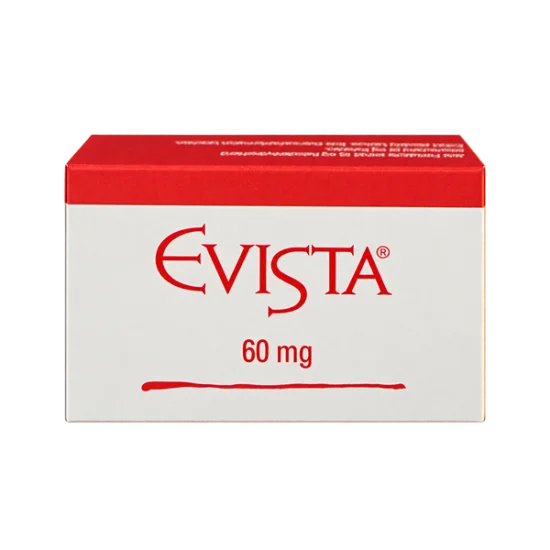
Evista

Evista

Active ingredient: Raloxifene

Package

AED 199.00

AED 310.44 AED 398.00 Save 22%

AED 421.88 AED 597.00 Save 29%

AED 537.30 AED 796.00 Save 33%

AED 760.18 AED 1,194.00 Save 36%

AED 1,098.48 AED 1,791.00 Save 39%

AED 1,436.78 AED 2,388.00 Save 40%

Free delivery on orders from AED 796.00, free express delivery from AED 1,194.00

Delivery: from 4 days

Evista is an oral raloxifene product for selected postmenopausal women with osteoporosis or increased risk of invasive breast cancer. It helps preserve bone strength and can reduce invasive breast-cancer risk in appropriate women.

Product information

Women who have completed menopause and need treatment for osteoporosis may be prescribed Evista. It contains raloxifene hydrochloride, a selective oestrogen receptor modulator taken orally; dosing differs between strengths and between users, so there is no single amount that suits everyone. Evista helps preserve bone strength and may reduce the risk of invasive breast cancer in selected postmenopausal women.

How it affects the body

Raloxifene binds to oestrogen receptors in different tissues. In bone, it activates receptor pathways that resemble some effects of oestrogen, helping slow bone breakdown. In breast tissue, its receptor activity is different and supports its risk-reduction role in selected women. The tissue-specific response helps explain why raloxifene has different effects from systemic oestrogen. These receptor effects guide its approved use and safety assessment.

This tissue-selective activity is the central pharmacological feature of Evista. It allows raloxifene to influence bone without behaving like systemic oestrogen in every organ.

The benefit comes with a trade-off. Selectivity does not remove the possibility of venous thromboembolic events, including deep-vein thrombosis and pulmonary embolism. It also does not make Evista interchangeable with menopausal hormone therapy.

Tell the prescribing clinician about previous deep-vein thrombosis, pulmonary embolism, retinal-vein thrombosis or unexplained leg swelling before starting raloxifene.

Raloxifene does not act as a painkiller. Bone-density improvement is assessed over time through clinical review and, when appropriate, bone-density testing rather than through an immediate sensation.

Ingredients

Evista contains raloxifene hydrochloride. Raloxifene is the active drug name used in clinical discussions, while raloxifene hydrochloride describes its pharmaceutical salt form. Each Evista pill contains the product strength marked on the pack and is taken by mouth.

Raloxifene belongs to the selective oestrogen receptor modulator class, often abbreviated as SERM. These medicines bind to oestrogen receptors, which are proteins that allow cells to respond to the hormone oestrogen. The response varies between tissues: raloxifene produces oestrogen-like activity in bone while producing a different receptor effect in breast and uterine tissue. [1]

Evista is intended for prescribed use in postmenopausal women. It is not systemic oestrogen replacement therapy and does not provide contraception.

Active Ingredient and Strength

The active ingredient is raloxifene hydrochloride. Dosing differs between strengths and between users, so there is no single amount that suits everyone.

The tablet is film-coated. It should be swallowed as directed rather than altered unless a prescribing clinician gives a specific instruction.

Raloxifene is taken according to the prescribed regimen, so linking it to a regular routine such as breakfast or tooth-brushing can reduce missed doses.

Selective Oestrogen Receptor Modulator Activity

Raloxifene supports oestrogen-like signalling in bone. This helps reduce bone turnover, a process in which old bone is removed and replaced. Excessively rapid bone turnover after menopause can weaken the skeleton.

Its activity is selective rather than identical in every tissue. That selectivity explains both its clinical uses and its limitations. Evista does not replace the broader effects of menopausal hormone therapy.

Dosage and administration

Dosing differs between strengths and between users, so there is no single amount that suits everyone. The prescribed regimen and treatment duration take priority.

  • Take Evista according to the prescribed regimen.
  • Swallow it by mouth with water.
  • It may be taken with or without food.
  • Follow the indication-specific treatment duration selected by the prescriber.
  • For breast-cancer risk reduction, the treatment duration is selected as part of the clinical regimen.
  • If a dose is missed, take the next scheduled dose when remembered.
  • Do not take two doses together to compensate.

The breast-cancer risk-reduction regimen is not automatically appropriate for every woman. The treatment plan depends on age, menopausal status, breast-cancer risk, bone health, clot history and other medical factors.

When travelling, keep the daily schedule based on the local clock and avoid taking an extra pill to compensate for a time-zone change.

When not to use it

Evista is not suitable for everyone. Evista is NOT for you if you have current or previous venous thromboembolism, are pregnant or breastfeeding, or need treatment during prolonged immobilisation without medical planning. A current or previous venous thromboembolic event is a major exclusion because raloxifene can increase clot risk.

Raloxifene is not recommended in significant hepatic impairment, and severe renal impairment requires careful specialist assessment. Moderate renal impairment also needs review before prescribing because altered kidney function can affect treatment selection and monitoring.

Unexplained uterine bleeding requires assessment before Evista is started. Raloxifene should not be used during pregnancy or lactation.

Historical product labelling used the term Pregnancy Category X. Current regulatory systems use more detailed pregnancy-risk descriptions rather than relying on that letter category, but the practical restriction remains: Evista is contraindicated during pregnancy. [3]

When this is not for you

Evista is NOT for you if you have current or previous venous thromboembolism, are pregnant or breastfeeding, or need treatment during prolonged immobilisation without medical planning.

Evista should not be used by a person with an active or previous venous thromboembolic event unless a specialist has established a different treatment plan. It is also not suitable during periods of prolonged immobilisation without clinician-directed planning.

Seek emergency medical assessment for:

  • Sudden breathlessness
  • Chest pain that may worsen with breathing
  • Coughing blood
  • Unilateral leg swelling, warmth or pain
  • Sudden weakness on one side
  • New difficulty speaking or understanding speech
  • Sudden loss of vision or severe unexplained headache

These symptoms may signal a clot or stroke-like event. Do not wait for a routine appointment.

If pregnancy occurs during treatment, stop taking further doses until the prescribing clinician gives specific instructions. Raloxifene is not a pregnancy medicine.

Possible side effects

Reported effects of raloxifene hydrochloride include hot flushes, leg cramps, peripheral oedema and flu-like symptoms. Some people experience mild symptoms that settle, while others find them persistent enough to require a treatment review.

Common and Manageable Effects

Hot flushes may be more noticeable during the early part of treatment. Light clothing, a cooler bedroom and avoiding personal triggers such as hot drinks may help. Persistent or severe flushing deserves a medication review rather than silent discomfort.

Leg cramps may occur, especially at night. Gentle stretching can be useful, but recurrent cramps, marked swelling or one-sided leg pain require prompt assessment because they can overlap with clot symptoms.

Peripheral oedema means swelling caused by fluid collecting in the tissues, often around the ankles. New or rapidly worsening swelling should be reported, especially if it affects one leg.

Flu-like symptoms may include tiredness, aches or general malaise. These effects are different from a severe allergic reaction, which may involve facial swelling, breathing difficulty or widespread hives.

The FDA prescribing information describes the adverse-effect profile and serious thromboembolic warning associated with Evista. [4]

Serious Symptoms Requiring Urgent Care

Sudden chest pain, breathlessness, coughing blood or one-sided weakness requires emergency assessment. These symptoms may reflect pulmonary embolism or a cerebrovascular event.

Contact a clinician promptly for persistent leg swelling, unexplained vaginal bleeding, severe headaches, visual disturbance or symptoms that interfere with normal activities. Do not stop long-term osteoporosis treatment repeatedly without a clinical plan, since interrupted treatment may leave fracture risk insufficiently managed.

Therapeutic indications

Evista is used mainly for postmenopausal osteoporosis management and osteoporosis prevention in women with a suitable fracture-risk profile. It is also used to reduce the risk of invasive breast cancer in selected postmenopausal women at increased risk. These indications are described in regulatory product information from the FDA and EMA, clinical guidance from NICE, and evidence reviews from the Cochrane Collaboration. [2]

Established use Suitable population Main clinical goal
Postmenopausal osteoporosis Selected postmenopausal women Preserve bone strength and reduce fracture risk
Osteoporosis prevention Postmenopausal women with increased risk Limit bone loss after menopause
Invasive breast cancer risk reduction Selected high-risk postmenopausal women Reduce the chance of certain invasive breast cancers

Postmenopausal Osteoporosis Management

Osteoporosis causes bones to become less dense and more fragile. A fracture can occur after a fall that would not normally injure healthy bone. The spine, hip and wrist are common fracture sites, although risk varies between individuals.

Evista may help reduce vertebral fracture risk in appropriate postmenopausal women. It is not a universal solution for every type of fracture, and it may not be the preferred option for someone with a very high hip-fracture risk or a history of blood clots.

Treatment selection depends on bone-density results, previous fractures, age, falls, kidney function, clotting history and other medicines. Calcium intake, vitamin D status, resistance exercise and fall prevention remain relevant parts of bone-health care.

Invasive Breast Cancer Risk Reduction

Raloxifene may reduce the risk of certain invasive breast cancers in selected postmenopausal women at increased risk. Risk reduction means lowering the chance of developing a future cancer; it does not treat an established breast cancer.

Evista is not suitable for premenopausal breast-cancer prevention. A clinician weighs breast-cancer risk against the risk of venous thromboembolism, which means a blood clot forming in a vein.

Comparison

Evista is one option among medicines that reduce bone loss. The choice depends on fracture location, kidney function, gastrointestinal tolerance, injection preferences, cancer-risk considerations and clot history.

Treatment category Main action Key limitation
Raloxifene Selective oestrogen-receptor activity in bone Venous clot risk; mainly used after menopause
Bisphosphonates Slow mineral release from bone and reduce bone resorption Oral forms may irritate the upper digestive tract; kidney function matters
RANKL-inhibitor therapy Reduces formation and activity of bone-resorbing cells Requires scheduled injections and a planned approach when stopping

Bisphosphonates are often considered when broad fracture protection is needed and there is no relevant contraindication. Raloxifene may suit a postmenopausal woman who needs vertebral-fracture protection and may also benefit from reduced invasive breast-cancer risk.

RANKL-inhibitor therapy is administered by injection rather than as a daily pill. It may be selected when oral treatment is unsuitable, though stopping or delaying injections requires a planned medical strategy.

No category is best for every patient. Raloxifene’s main advantages are oral once-daily administration, bone activity and a breast-cancer risk-reduction indication in selected women. Its main limitation is clot risk, which makes it unsuitable for people with certain thromboembolic histories.

Common mistakes

Several avoidable errors can reduce the value of treatment or increase risk:

  • Taking two pills after a missed dose.
  • Continuing Evista through prolonged immobility without a clinician-directed plan.
  • Treating new one-sided leg swelling as an ordinary side effect.
  • Assuming that breast-cancer risk reduction means treatment of existing breast cancer.
  • Using Evista before menopause or during breastfeeding.
  • Stopping because hot flushes appear without discussing whether they can be managed.
  • Taking a different raloxifene strength after a substitution without confirming the prescribed regimen.
  • Forgetting that supplements, hormone medicines and other prescription treatments belong in the medication history.
  • Crushing or chewing the film-coated pill without a specific instruction.
  • Expecting an immediate feeling of stronger bones after the first dose.

One missed dose is usually handled by returning to the next scheduled dose. Doubling is not a safer way to restore the schedule.

What doctors say

In clinical practice, doctors usually begin by separating two questions: how high is the patient’s fracture risk, and does the patient have a clot history that makes raloxifene unsuitable?

Raloxifene can be a reasonable option for a postmenopausal woman who needs vertebral-bone protection and has a relevant breast-cancer risk profile. It becomes less attractive when hip-fracture risk is dominant, immobility is expected or there is a history of venous thromboembolism.

Doctors also review medicines that increase clotting risk, recent surgery, long-haul travel, smoking status, mobility and past cancer treatment. These details can change the balance even when bone-density results appear suitable.

A practical prescribing discussion includes the expected duration, fracture-risk reassessment, calcium and vitamin D intake, exercise, falls prevention and the action plan for future surgery or prolonged bed rest.

Common questions

What happens if Evista is stopped, and does it need tapering?

Evista does not usually require a gradual taper in the same way as some medicines that cause withdrawal symptoms. The EMA product information from 2023 supports stopping decisions based on the treatment indication, fracture risk and safety assessment rather than an automatic dose-reduction schedule. Stopping can mean that the intended bone-protection plan is no longer maintained, so the next treatment step should be planned with the prescriber.

What is the best time of day to take Evista?

There is no single medically required time of day, provided the pill is taken once daily and the schedule remains consistent. FDA prescribing information from 2020 allows Evista to be taken with or without food. Morning use may suit someone who remembers medicines at breakfast, while evening use may suit another routine.

How long does one dose of Evista keep working?

Evista is designed for once-daily administration, with its pharmacological effect maintained through regular daily dosing rather than occasional use. The EMA product information from 2023 describes daily treatment for postmenopausal indications. Bone-health benefits are assessed over months through clinical review and, when appropriate, bone-density testing; a single pill does not produce an immediate sensation of stronger bones.

What should be done after a missed Evista dose?

Take the next scheduled dose when remembered, unless it is nearly time for the next dose. Do not take two pills together. The FDA information reviewed in 2020 supports avoiding dose doubling after a missed dose, because an extra dose does not restore treatment benefit safely.

Can Evista be taken with food or on an empty stomach?

Evista may be taken with food or on an empty stomach. The EMA product information from 2023 does not require a meal-linked dose. Taking it at the same daily time can improve adherence, while people with a sensitive stomach may prefer taking it with a meal if that fits their prescribed routine.

Can the Evista pill be split, crushed or chewed?

Swallow the film-coated pill as directed rather than crushing or chewing it. FDA labelling from 2020 identifies the product as an oral tablet intended to be swallowed. Altering the pill may affect how it is taken and can make the dose harder to measure, so a different formulation or swallowing plan should be arranged if this is difficult.

Do you offer anonymous delivery?

Your order will be securely packed and shipped within 24 hours. This is exactly what your package will look like (images of an actual item sent). It has the size and look of a regular private letter (24x11x0.7 cm) and its contents cannot be seen.

Sources

  1. U.S. Food and Drug Administration (2020). Evista (raloxifene hydrochloride) tablets: Prescribing Information.
  2. European Medicines Agency (2023). Summary of Product Characteristics (SmPC) — raloxifene.
  3. World Health Organization (2003). Prevention and management of osteoporosis: report of a WHO scientific group.
  4. National Institute for Health and Care Excellence (2022). Osteoporosis: assessing the risk of fragility fracture — CG146.

How Buyers Rate Evista

4.4 Based on 5 reviews
Saeed, 50 Madinat Zayed About three months
15 Oct 2026
Rating: 3.5 out of 5
I used Evista 60 mg once daily for about three months after menopause-related bone loss was found. My follow-up plan felt clear, and I liked taking one pill daily, but the hot flushes were still noticeable in the evenings. I discussed that reservation during review rather than changing the dose myself.
Mariam, 30 Al Khawaneej Several months
28 Oct 2026
Rating: 5 out of 5
I took the prescribed 60 mg Evista tablet each morning for several months. I did not notice a dramatic feeling, but my follow-up bone-health plan felt easier to maintain and I was satisfied with the routine. Taking it beside my breakfast helped me remember it.
Lakshmi, 53 Fujairah Several months
30 Oct 2026
Rating: 5 out of 5
I took Evista 60 mg once daily for several months as part of my postmenopausal osteoporosis plan. After several months, I felt more confident about staying consistent with treatment and exercise, and I had no trouble swallowing the pill. The once-daily schedule suited me.
Rania, 54 Deira Several months
8 Nov 2026
Rating: 5 out of 5
I used Evista 60 mg once daily for several months as part of my bone-health treatment and found the daily tablet manageable. I kept it with my regular medicines and missed very few doses. The main benefit was having a simple routine that I could maintain.
Suresh, 33 Mirdif Several weeks
12 Nov 2026
Rating: 3.5 out of 5
I tried Evista 60 mg once daily for several weeks, but the hot flushes became distracting and the benefit was not clear to me. I stopped only after discussing it with the doctor, who reviewed other options and my clot-risk history. The experience reminded me that a convenient dose is not enough if tolerability is poor.
Get our free app Shop faster and track your orders 4.0 · 268 reviews Install