Skip to content
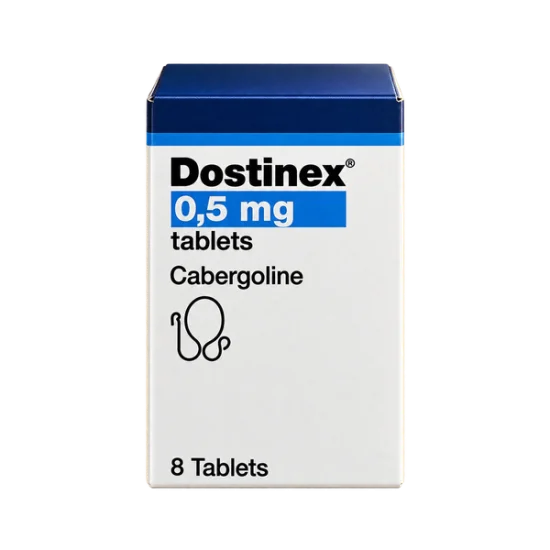
Dostinex

Dostinex

Active ingredient: Cabergoline

Dosage
Package
Package

AED 453.72

AED 632.82 AED 680.58 Save 7%

AED 720.38 AED 794.01 Save 9%

AED 867.64

AED 1,249.72 AED 1,301.46 Save 4%

AED 1,440.76 AED 1,518.37 Save 5%

Free delivery on orders from AED 796.00, free express delivery from AED 1,194.00

Delivery: from 4 days

Dostinex tablets are taken by mouth, usually once or twice weekly, with the amount selected according to prolactin results and tolerability. They contain cabergoline for adults with hyperprolactinemia and related prolactin disorders. By stimulating dopamine receptors, Dostinex lowers excessive prolactin and may improve menstrual cycles, fertility, or unwanted milk production.

Product information

Dostinex contains cabergoline, a dopamine agonist supplied as oral tablets. The amount taken at each intake is selected individually for each person rather than being one fixed amount. Its main use is the treatment of hyperprolactinemia, meaning an abnormally high level of the hormone prolactin.

Cabergoline treatment is prescription-led. Symptoms such as irregular periods, infertility, breast discharge, reduced libido, or erectile problems can have several causes, so treatment should follow assessment of prolactin and the underlying condition.

Active Ingredient and Dosage Form

  • Active ingredient: Cabergoline
  • Drug class: Dopamine agonist
  • Route: Oral administration
  • Main indication: Hyperprolactinemia and prolactin-related disorders in adults

Primary Indication in Adults

High prolactin may disrupt ovulation, menstrual regularity, fertility, or sexual function. It may also cause unwanted breast milk production outside the normal breastfeeding period. Men can experience reduced libido, erectile dysfunction, low sperm production, or fertility problems when prolactin remains elevated.

The European Medicines Agency product information describes cabergoline as a dopamine agonist for lowering prolactin and managing related disorders [1].

How it affects the body

Mechanism of Action of Dostinex

Cabergoline mimics the action of dopamine, a signalling chemical that naturally suppresses prolactin release. It stimulates dopamine D2 receptors on pituitary lactotroph cells, reducing the amount of prolactin entering the bloodstream.

Dopamine Receptor Activity

Think of dopamine as a natural braking signal for prolactin production. Cabergoline strengthens that signal at the pituitary gland.

The response is not identical for everyone. Prolactin may fall before menstrual cycles, fertility, breast symptoms, or sexual function improve. Those symptoms can also have causes unrelated to prolactin.

Prolactin Reduction and Treatment Response

A laboratory result and a person's symptoms may change on different timelines. The treating clinician may adjust cabergoline according to repeat prolactin measurements, symptoms, blood pressure, tolerability, and the suspected cause of the hormone elevation.

The Endocrine Society guideline published in 2011 recommends assessing endocrine and reproductive factors before treating hyperprolactinemia, rather than relying on one symptom alone [2].

Ingredients

Dostinex contains cabergoline, a dopamine agonist supplied as oral tablets. The amount taken at each intake is selected individually for each person rather than being one fixed amount.

Dosage and administration

Dostinex Dosage and Administration

Dostinex is taken orally. Cabergoline is commonly prescribed once or twice weekly because it has a long duration of action. The amount per intake is selected individually according to prolactin results, treatment response, and tolerability.

Typical Weekly Dosing Pattern

  • Take the prescribed amount on the scheduled day or days.
  • Swallow the tablet by mouth.
  • Follow the prescribed frequency rather than converting it to daily use.
  • Dose changes are generally gradual and guided by laboratory results and symptoms.
  • Taking it with food may reduce nausea for some people.

The tablet strength does not determine the correct total weekly amount for every adult. A clinician may use a lower or higher total weekly exposure according to the treatment goal and response.

Do not change a weekly schedule to daily dosing. Cabergoline remains active for a long time, so extra tablets can cause marked dizziness, low blood pressure, nausea, or other toxic effects.

Safe Tablet Use

Take each dose at a consistent time on the scheduled day. Rising slowly from bed or a chair can reduce postural dizziness, which is a blood-pressure drop after standing.

Alcohol may worsen dizziness or low blood pressure. Driving, cycling in traffic, or operating machinery should wait until you know how the medicine affects alertness and coordination.

Missed Dose and Dose Adjustment

If a dose is missed, do not automatically double the next dose. The correct action depends on how late the dose is and when the next scheduled dose is due. A pharmacist or prescriber can give specific instructions without requiring an unsupervised dose change.

Do not stop or increase cabergoline solely because a symptom improves. Prolactin may remain abnormal even after breast symptoms or cycle changes settle.

When not to use it

Contraindications and Drug Interactions

Conditions Requiring Prescriber Review

Dostinex may be unsuitable or require close supervision in people with:

  • Uncontrolled hypertension
  • Significant heart-valve disease
  • Pulmonary or retroperitoneal fibrotic disorders
  • Severe liver disease
  • Previous serious reaction to cabergoline or another ergot-derived medicine
  • A history of severe impulse-control or psychotic symptoms

Dopamine-Blocking Medicines

Domperidone and metoclopramide can block dopamine receptors and may oppose cabergoline's prolactin-lowering action. They are also sometimes used for nausea, but adding either medicine independently to manage Dostinex-related nausea is inappropriate.

Antipsychotic medicines may also reduce the pharmacological effect of cabergoline. Do not stop an antipsychotic or anti-nausea medicine without a planned clinical review.

Related Dopamine Agonists and Ergot Medicines

Bromocriptine and pergolide are related dopamine agonists. Using more than one dopamine agonist can increase adverse effects unless specifically directed.

Ergometrine is an ergot medicine with a different clinical role. Combining it with cabergoline may raise vascular or blood-pressure risks.

When this is not for you

This medication is not for you if you have a serious allergy to cabergoline, uncontrolled blood pressure, or a condition that makes ergot-derived dopamine agonists unsafe.

Medical review is needed when cardiovascular, pulmonary, hepatic, psychiatric, or medication-related risks are present. A complete medication review should include blood-pressure medicines, antidepressants, migraine treatments, anti-sickness medicines, and supplements.

Possible side effects

Dostinex Side Effects and Safety Warnings

Cabergoline can cause nausea, dizziness, headache, fatigue, stomach discomfort, constipation, and low blood pressure. These effects are often more noticeable when treatment begins or after a dose increase.

Common Early Adverse Effects

Postural hypotension may cause light-headedness when standing. Taking the tablet with food, drinking enough fluid when medically appropriate, and standing slowly can help reduce discomfort.

Some people report sleepiness or reduced concentration. Sudden sleep episodes are uncommon but clinically significant. Do not drive until your response is predictable.

The FDA prescribing information describes hypotension, nausea, dizziness, headache, and fatigue among recognised adverse reactions associated with cabergoline [3].

Serious Cardiac and Respiratory Warnings

Seek urgent medical assessment for chest pain, breathing difficulty, fainting, persistent cough, swelling of the legs, or unexplained worsening exercise tolerance. Long-term or high-dose cabergoline therapy can be associated with valvular heart problems or fibrotic complications in susceptible patients.

A history of heart-valve disease, pulmonary fibrosis, or unexplained shortness of breath matters before treatment begins. Longer courses may require cardiovascular assessment based on dose, duration, symptoms, and clinical history.

Behavioural and Neurological Effects

Dopamine agonists can rarely cause unusual behavioural changes, compulsive gambling, excessive spending, increased sexual urges, or other impulse-control problems. Report a clear change in behaviour promptly.

Severe headache, visual loss, confusion, fainting, facial swelling, or difficulty breathing needs urgent care. A rash alone is not automatically an allergy, but swelling of the lips or tongue and breathing difficulty may indicate a serious allergic reaction.

Therapeutic indications

Conditions Treated and Expected Benefits

Hyperprolactinemia may lead to irregular menstrual periods, reduced ovulation, infertility, unwanted breast milk production, low libido, or sexual dysfunction. In men, high prolactin may contribute to reduced testosterone-related symptoms and fertility difficulties.

Lowering prolactin may help restore menstrual regularity or ovulation when elevated prolactin caused the disruption. Fertility can return sooner than expected, so pregnancy planning and contraception require attention during treatment.

Hyperprolactinemia Symptoms

Possible features include:

  • Irregular or absent menstrual periods
  • Difficulty becoming pregnant
  • Unwanted breast milk production
  • Reduced libido
  • Erectile or sexual difficulties
  • Headache or visual symptoms when a pituitary disorder is present

These symptoms do not prove that prolactin is elevated. Persistent breast discharge, severe headache, or changes in vision need medical assessment.

Menstrual and Fertility Outcomes

Dostinex may improve fertility by restoring ovulation or sperm-related reproductive function when hyperprolactinemia is the cause. It does not guarantee pregnancy. Age, ovarian reserve, sperm quality, fallopian tube health, thyroid function, and other factors may also affect fertility.

A practical detail matters here: conception can become possible before periods appear fully regular. Pregnancy planning should therefore form part of the treatment discussion.

Unwanted Milk Production and Sexual Symptoms

Cabergoline can reduce unwanted milk production associated with excess prolactin. It may also improve libido or sexual function when those symptoms result from hyperprolactinemia.

The benefit is less predictable when symptoms arise from another endocrine, psychological, vascular, or medication-related cause.

Comparison

Dostinex Compared With Related Prolactin Treatments

Cabergoline and bromocriptine both stimulate dopamine pathways and can lower prolactin. They differ in dosing patterns, tolerability, prescribing experience, and suitability for an individual patient.

Treatment approach Main clinical feature Practical limitation
Cabergoline Long-acting dopamine agonist, commonly taken once or twice weekly Dizziness, nausea, blood-pressure effects, and long-term cardiac monitoring may matter
Bromocriptine Related dopamine agonist with a shorter-acting dosing pattern More frequent administration and gastrointestinal effects can be difficult for some people
Specialist alternatives Selected according to the cause of hyperprolactinemia Require specialist-directed treatment and are not routine self-selected substitutes

Cabergoline is not universally preferable. A clinician may choose bromocriptine because of pregnancy planning, previous response, tolerability, clinical history, or local prescribing practice. Pergolide belongs to the related dopamine-agonist group but is a specialist context medicine rather than a routine switching option.

Common mistakes

Common Patient Mistakes and Practical Safety Points

The most frequent preventable errors involve the weekly schedule, missed doses, and failure to report new symptoms.

  • Taking Dostinex every day instead of once or twice weekly.
  • Doubling the next dose after forgetting a scheduled tablet.
  • Increasing the dose because breast discharge or cycle irregularity has not improved immediately.
  • Taking domperidone or metoclopramide without checking the interaction.
  • Standing suddenly after a dose and then driving while dizzy.
  • Stopping follow-up once periods or breast symptoms improve.
  • Forgetting to mention pregnancy plans or a positive pregnancy test.
  • Ignoring shortness of breath, fainting, chest symptoms, or visual changes.
Keep the weekly schedule separate from daily medicines. A calendar reminder and the original prescribing instructions can prevent an accidental daily dose.

What doctors say

Doctor Perspectives on Cabergoline Therapy

In clinical practice, doctors focus first on why prolactin is high. Medication effects, pregnancy, thyroid disease, pituitary disorders, kidney or liver problems, and physiological changes can produce different treatment needs.

A useful prescribing principle is to adjust cabergoline according to prolactin results and tolerability, not according to fertility goals alone. When prolactin falls, ovulation or sperm-related fertility may improve quickly, so pregnancy planning deserves attention even if menstrual cycles have not stabilised.

Clinicians also ask about fainting, new breathlessness, headaches, vision changes, daytime sleepiness, and compulsive behaviour. These details can change the safety assessment more than a small variation in a single laboratory result.

Common questions

Can people under 18 use Dostinex?

Dostinex is generally prescribed for defined prolactin disorders in adults, and use under 18 requires specialist assessment. The EMA product information from 2024 limits routine use according to the diagnosed condition, clinical evidence, and patient age. A child or teenager with breast discharge, delayed puberty, headaches, or menstrual concerns needs evaluation of the underlying cause rather than unsupervised cabergoline.

What should I do after missing a Dostinex dose?

Do not take two doses together unless a prescriber specifically instructs you to do so. The FDA prescribing information from 2021 advises following the prescribed schedule and seeking instructions after a missed dose. The appropriate action depends on how late the dose is and when the next dose is due, so obtain individual instructions from the prescribing team or a pharmacist.

Can older adults take Dostinex?

Older adults may take cabergoline when the indication is appropriate, but blood pressure, heart-valve history, liver function, dizziness, and interacting medicines deserve attention. The EMA product information from 2024 identifies blood-pressure effects, dizziness, and interacting medicines as considerations in older patients. Standing slowly and avoiding driving until the response is known are practical precautions.

What happens after stopping Dostinex, and is tapering needed?

Prolactin may rise again after treatment stops if the underlying cause remains active. The EMA product information from 2024 supports follow-up based on the original diagnosis and hormone results rather than symptoms alone. Some patients require gradual dose reduction, while others need a different plan; stopping suddenly without prescribing guidance can allow symptoms to return.

How long does one Dostinex dose keep working?

Cabergoline has a long duration of action, which is why it is commonly prescribed once or twice weekly. The EMA product information dated 2024 describes prolonged prolactin-lowering activity, but the clinical effect varies with the diagnosis, dose, and individual response. Do not repeat a dose early because symptoms have not changed yet.

Do you offer anonymous delivery?

Your order will be securely packed and shipped within 24 hours. This is exactly what your package will look like (images of an actual item sent). It has the size and look of a regular private letter (24x11x0.7 cm) and its contents cannot be seen.

Sources

  1. EMA (2024). Summary of Product Characteristics (SmPC) — cabergoline
  2. Endocrine Society (2011). Diagnosis and Treatment of Hyperprolactinemia: Clinical Practice Guideline
  3. FDA (2021). Dostinex (cabergoline) Prescribing Information

How Buyers Rate Dostinex

3.6 Based on 4 reviews
Hamdan, 48 Liwa Several weeks
5 Nov 2026
Rating: 4 out of 5
I took one prescribed 0.5 mg tablet once weekly for several weeks and noticed that my libido and general energy improved after my prolactin came down. The schedule was easier than taking a tablet every day, and I felt satisfied with the result.
James, 69 Hatta About a month
10 Nov 2026
Rating: 4.5 out of 5
I took one prescribed 0.5 mg tablet once weekly for about a month and saw a clear improvement in sexual function. Marking the dose day on my calendar helped me remember it without adding another daily routine.
Omar, 38 Dubai Marina Several weeks
30 Oct 2026
Rating: 4.5 out of 5
I took one prescribed 0.5 mg tablet once weekly for several weeks. My breast discharge reduced and my repeat blood test improved. The change was gradual rather than immediate, but the weekly tablets fitted easily into my routine.
Tariq, 39 Ajman Several weeks
15 Oct 2026
Rating: 1.5 out of 5
I took one prescribed 0.5 mg tablet once weekly for several weeks, but Dostinex did not give me the improvement I expected, and dizziness made the treatment difficult. I stopped taking it after discussing the problem with my doctor, who reviewed the diagnosis and other medicines.
Get our free app Shop faster and track your orders 4.0 · 268 reviews Install