24/7 SupportOur team of pharmacists is available 24/7 to help you
Crestor is used to lower elevated LDL cholesterol and support cardiovascular risk reduction in adults with an appropriate clinical indication. Treatment works best alongside an individualized diet, physical activity, and follow-up testing.
Product information
Crestor is a prescription statin. It contains rosuvastatin, which reduces cholesterol production in the liver and increases LDL clearance from the bloodstream.
How it affects the body
Crestor contains rosuvastatin, which blocks HMG-CoA reductase and reduces cholesterol production in the liver. The liver then increases LDL clearance from the bloodstream, lowering circulating LDL cholesterol.
HMG-CoA Reductase Inhibition
LDL means low-density lipoprotein. Crestor primarily lowers LDL cholesterol, although individual treatment responses vary. Lowering LDL supports cardiovascular risk reduction when statin treatment is clinically appropriate.
Lipid Changes During Treatment
Treatment response is assessed with follow-up lipid testing rather than symptoms alone. A person may feel no different while LDL falls, so the absence of a noticeable sensation does not show whether treatment is working. Adherence, diet, physical activity, and other health factors can affect results.
Do not judge Crestor by how you feel after a few doses. Cholesterol treatment is assessed through laboratory results and cardiovascular risk, not through an immediate sensation.
Ingredients
Crestor is a prescription statin containing rosuvastatin calcium. Rosuvastatin is the clinically active component; calcium is the salt form used in the tablet. Statins are medicines that reduce the liver’s production of cholesterol and help remove LDL cholesterol from circulation.
Active Ingredient and Drug Class
Rosuvastatin belongs to the statin class and acts as an HMG-CoA reductase inhibitor. Crestor tablets are used in cholesterol management when lifestyle measures alone do not produce the required lipid reduction, or when a person’s cardiovascular risk makes medicine appropriate. The 2020 FDA prescribing information describes rosuvastatin’s role in reducing LDL cholesterol and other atherogenic lipids [1].
Prescription Use in Cholesterol Management
Treatment decisions depend on the lipid profile, cardiovascular history, blood pressure, diabetes status, smoking history, age, kidney function, liver status, and family history. A higher tablet strength is not automatically better. The selected regimen aims to achieve an appropriate reduction while keeping tolerability and interaction risks under review.
Crestor does not act as a blood thinner. It changes lipid production and clearance, while medicines such as anticoagulants and antiplatelet drugs work through different pathways.
Keep a record of other medicines, vitamins, and supplements before starting Crestor. Muscle-related interactions can appear after a new medicine is added, even when Crestor itself has been tolerated for a long time.
Dosage and administration
Take Crestor once daily at the prescribed dose and route.
It can generally be taken with or without food.
Choose a time that makes daily use reliable.
Swallow the tablet as directed rather than changing the tablet form.
If a dose is missed, follow the prescribed missed-dose instructions and do not double the next dose.
Continue dietary and physical-activity measures during treatment.
Crestor can be taken at any time of day, unlike some shorter-acting statins that are commonly scheduled in the evening. Consistent daily use matters more than choosing a particular clock time.
Link the tablet to a routine event, such as brushing your teeth in the evening or preparing breakfast. Avoid taking an extra tablet to compensate for a missed dose unless a prescriber has given that exact instruction.
Daily Administration Routine
Take Crestor exactly as prescribed. The regimen for the selected strength must be confirmed before treatment begins, especially when kidney disease, liver disease, previous statin intolerance, or interacting medicines are present.
Food does not usually prevent rosuvastatin absorption. The main practical goal is a routine that makes missed doses less likely.
Missed Dose Management
Do not take two doses together after forgetting one. The correct action depends on how close the next scheduled dose is and on the instructions provided for the prescribed regimen.
Repeated missed doses can make the lipid result look worse and may lead to an unnecessary dose change. Tell the clinician about missed doses before treatment is intensified.
Diet and Exercise Support
A heart-healthy eating pattern can reduce saturated-fat intake and support weight, glucose, and blood-pressure control. Regular physical activity supports cardiovascular fitness and metabolic health.
Lifestyle changes may not lower LDL enough for a person’s risk category. Crestor is often used when both medicine and lifestyle measures are needed.
When not to use it
Pregnancy or a plan to become pregnant.
Breastfeeding.
Active liver disease or unexplained persistent liver-enzyme elevation.
Significant kidney impairment.
Previous serious muscle injury linked to a statin.
Allergy to rosuvastatin or an ingredient in the formulation.
Untreated hypothyroidism.
Heavy alcohol use or a history of liver problems.
Use of medicines that increase rosuvastatin exposure or muscle toxicity.
When this is not for you
Crestor is not suitable for everyone. NOT for you if you have active liver disease, are pregnant, are breastfeeding without clinician direction, or cannot complete required monitoring.
Possible side effects
Rosuvastatin is often tolerated without serious problems, but muscle and liver symptoms require attention. Commonly reported effects include headache, nausea, abdominal discomfort, constipation, and muscle aches. The FDA product information also warns about myopathy, rhabdomyolysis, and liver-related reactions .
Common Tolerability Effects
Mild digestive symptoms or headache may occur. Muscle pain can have many causes, including exercise, thyroid disease, injury, vitamin deficiency, or another medicine, so it should not automatically be attributed to Crestor or dismissed.
Some people notice symptoms after starting treatment or after a strength increase. A symptom diary can help connect the timing to changes in medicines, exercise, or illness.
Serious Muscle and Liver Reactions
Rhabdomyolysis is severe muscle breakdown that can release muscle proteins into the blood and injure the kidneys. Unexplained severe weakness, marked muscle pain, fever, or dark urine needs prompt medical assessment.
Yellowing of the skin or eyes, unusually dark urine, severe fatigue, loss of appetite, or persistent upper-abdominal discomfort can signal a liver problem. These symptoms require medical attention rather than self-directed dose reduction.
Unexplained muscle weakness with dark urine deserves prompt assessment, especially after a strength increase or the addition of another medicine. Do not wait for the next routine cholesterol test.
Therapeutic indications
Crestor is used for elevated LDL cholesterol and other lipid disorders. Lowering LDL can support cardiovascular risk reduction in people whose combined risk profile makes statin treatment appropriate. The medicine may also help slow the progression of atherosclerotic plaque, but it does not guarantee prevention of a heart attack or stroke.
Elevated LDL Cholesterol
LDL can remain high because of inherited lipid disorders, diet, metabolic disease, reduced thyroid function, kidney disease, or several factors acting together. Crestor may be prescribed when the required LDL reduction is unlikely to come from diet and exercise alone.
Lifestyle measures remain clinically useful. A diet lower in saturated fat, regular physical activity, weight management, and smoking cessation can improve the wider cardiovascular risk profile, even when a statin is needed.
Cardiovascular Risk Reduction
The benefit of LDL reduction depends on the person’s baseline risk. Blood pressure, diabetes, smoking, age, kidney disease, prior cardiovascular events, and family history all influence treatment decisions. NICE guidance links statin treatment to a structured assessment of cardiovascular risk rather than a single cholesterol value [2].
Crestor may support the prevention strategy, but it is one part of that strategy. It does not replace blood-pressure treatment, diabetes care, or measures that reduce tobacco exposure.
Comparison
Crestor contains rosuvastatin. Generic rosuvastatin contains the same active ingredient when produced to approved pharmaceutical standards, while inactive ingredients and tablet presentation may differ. Switching between products or strengths should follow a prescriber’s plan rather than personal selection.
Option
Active ingredient and clinical profile
Main prescribing consideration
Crestor or generic rosuvastatin
Rosuvastatin; potent LDL-lowering statin
Strength, kidney function, and interactions guide selection
Atorvastatin
Atorvastatin; potent LDL-lowering statin
Metabolism and interaction profile differ
Simvastatin
Simvastatin; less potent at commonly used doses
More interaction restrictions may affect suitability
Rosuvastatin and atorvastatin can both provide substantial LDL reduction, but they are not interchangeable tablet-for-tablet. Simvastatin has a different metabolism and interaction profile. The ACC/AHA cholesterol guideline places statin intensity within the person’s cardiovascular risk plan rather than treating a brand name as the treatment goal [3].
Common mistakes
Common Patient Mistakes
Changing the strength after seeing one improved cholesterol result.
Failing to mention antacids, supplements, or short-term medicines.
Ignoring muscle weakness because it began after exercise.
Assuming diet and exercise make the statin unnecessary.
Forgetting to report pregnancy or breastfeeding.
Starting strenuous exercise at the same time as treatment and then attributing every muscle symptom to Crestor.
One practical mistake is using the tablet as a substitute for follow-up. Crestor lowers LDL, but the treatment plan still needs periodic review.
What doctors say
In clinical practice, rosuvastatin is selected when a meaningful LDL reduction is needed and its risk profile suits the patient. Physicians usually consider the full cardiovascular picture, not only the latest laboratory value.
A clinician may say that the main benefit develops through consistent treatment over time. The main limitation is that tolerability, interactions, kidney function, and pregnancy considerations can change the appropriate plan.
Common questions
How long does one Crestor dose keep working?
Rosuvastatin has a long enough duration of action for once-daily treatment, with LDL reduction maintained through regular daily use. The FDA prescribing information describes the medicine as a once-daily statin, while the EMA product information explains its sustained pharmacological effect . A missed dose should not be replaced with two tablets together. The lipid-lowering result reflects repeated dosing over time rather than a single tablet.
Which concrete condition rules Crestor out?
Active liver disease is a specific condition that can rule out Crestor until the cause and liver status have been assessed. The 2020 FDA prescribing information identifies active liver disease as a contraindication, and its safety information also addresses liver-enzyme abnormalities . Pregnancy is another situation requiring prompt medical review. Do not start, stop, or restart treatment in either situation without a treatment decision from the prescribing clinician.
Can Crestor cause muscle pain?
Muscle pain, weakness, or tenderness can occur with statin treatment, although many muscle symptoms have other causes. The FDA identifies myopathy and rhabdomyolysis as important warnings, and the 2020 FDA prescribing information remains a key reference for assessing these reactions . Severe weakness, dark urine, or rapidly worsening pain requires prompt medical assessment. Do not manage these symptoms by selecting a different strength independently.
What is the best time of day to take Crestor?
Crestor can generally be taken at any time of day, with or without food, provided the prescribed daily routine is followed. The 2009 EMA product information supports once-daily administration, and NICE lipid guidance focuses on adherence and clinical review rather than a universal clock time . Choose a time that fits reliably with daily activities. Consistency matters more than morning versus evening scheduling.
Can Crestor be used during pregnancy or breastfeeding?
Crestor is not routinely used during pregnancy, and pregnancy while taking it requires prompt contact with the prescribing clinician. The 2020 FDA product information and 2009 EMA medicine information describe pregnancy and breastfeeding as situations requiring specific treatment consideration . Breastfeeding also needs an individual decision because rosuvastatin exposure through milk must be considered. Do not resume treatment after delivery without a clinician’s instruction.
Do you offer anonymous delivery?
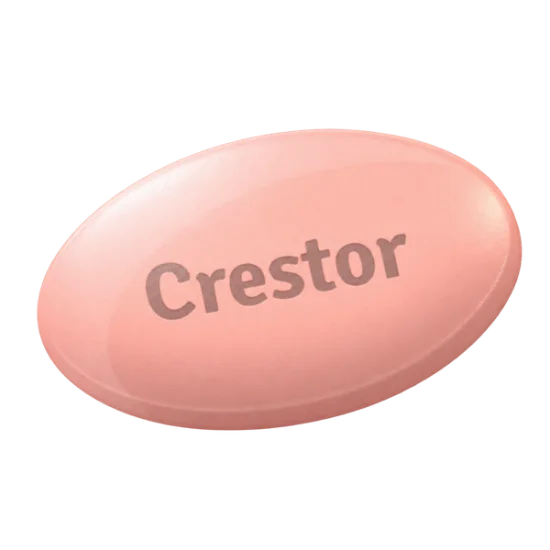
Your order will be securely packed and shipped within 24 hours. This is exactly what your package will look like (images of an actual item sent). It has the size and look of a regular private letter (24x11x0.7 cm) and its contents cannot be seen.
Sources
U.S. Food and Drug Administration (2020). CRESTOR (rosuvastatin calcium) tablets, Prescribing Information.
National Institute for Health and Care Excellence (2023). Cardiovascular disease: risk assessment and reduction, including lipid modification (NG238).
American College of Cardiology/American Heart Association (2018). 2018 Guideline on the Management of Blood Cholesterol.
How Buyers Rate Crestor
3.8Based on 4 reviews
S
Samir R., 59RuwaisSeveral months
10 Nov 2026
Rating: 5 out of 5
I used Crestor at the prescribed dose for several months. My follow-up cholesterol result improved, and taking one tablet as part of my evening routine was straightforward.
J
Joseph, 69Khalifa CitySeveral months
15 Oct 2026
Rating: 4.5 out of 5
I took Crestor at the prescribed dose consistently for several months and saw a clear change in my LDL at the next review. The routine fitted easily around my breakfast and other daily medicines.
J
Joel, 57AjmanA few months
21 Oct 2026
Rating: 4 out of 5
After using Crestor at the prescribed dose for a few months, my cholesterol numbers were closer to the target set for me. I was satisfied because the tablet became part of my normal daily schedule.
I
Imran, 31HattaA few months
31 Oct 2026
Rating: 1.5 out of 5
After using Crestor at the prescribed dose for a few months, it did not suit me. I developed muscle discomfort that made me stop taking it and discuss the symptoms with my doctor rather than changing the dose on my own.